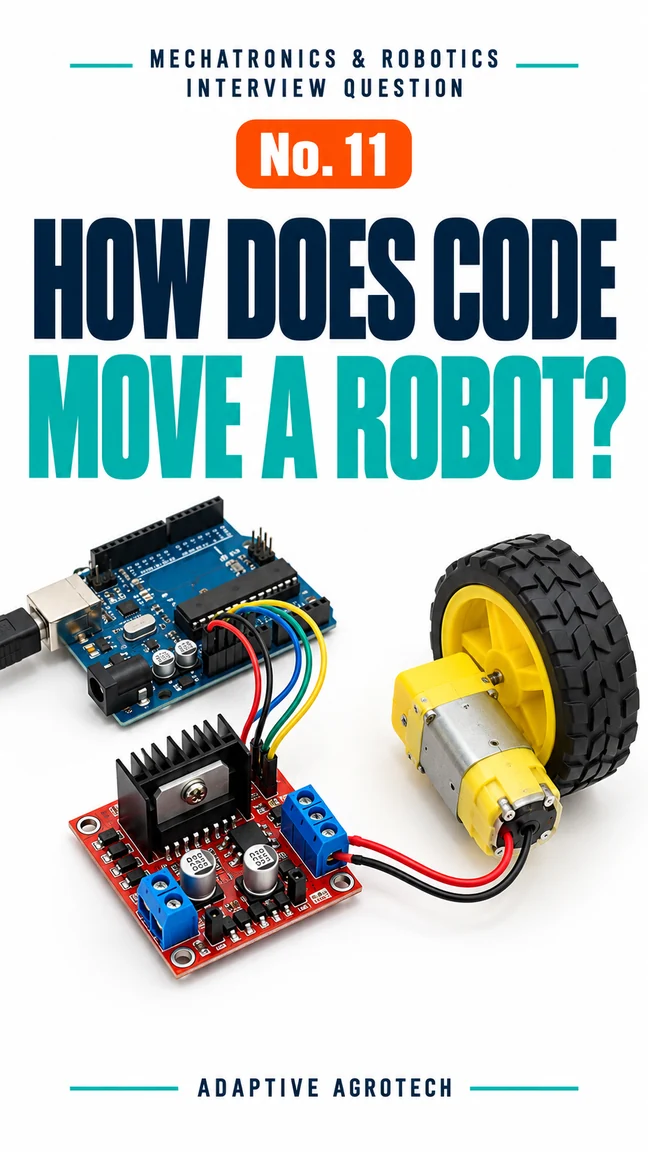
From Software Command to Wheel Movement
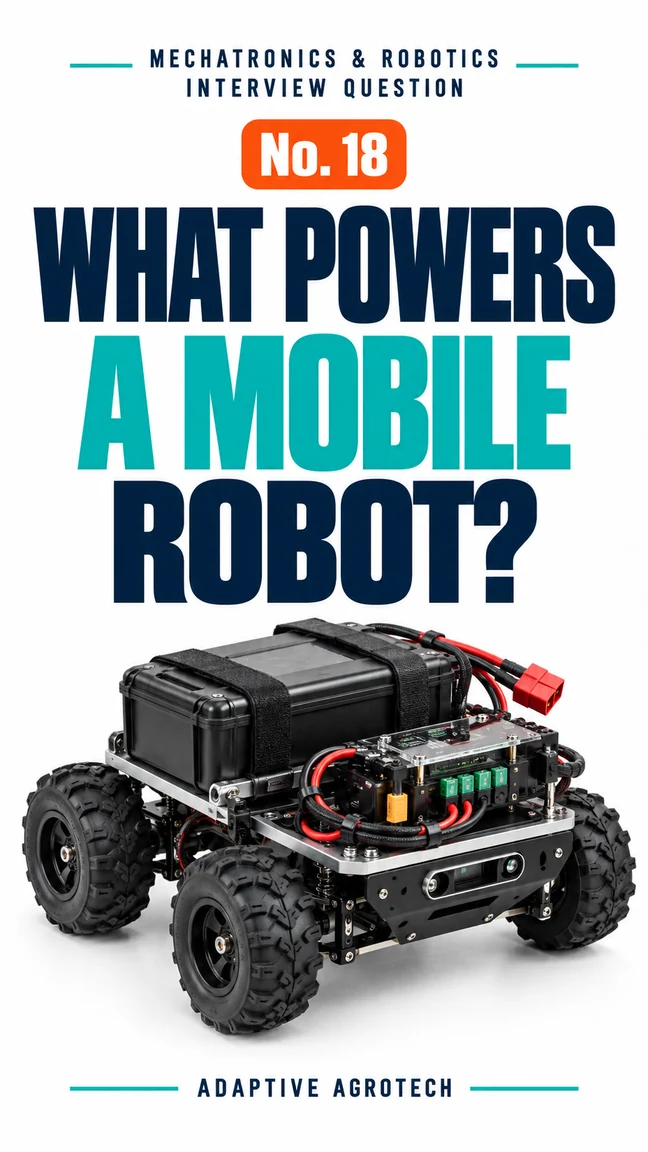
Wheel motion requires a complete chain from speed request to power switching and encoder feedback. The microcontroller controls the driver, while the driver delivers motor current and the loop corrects actual motion.
The key idea
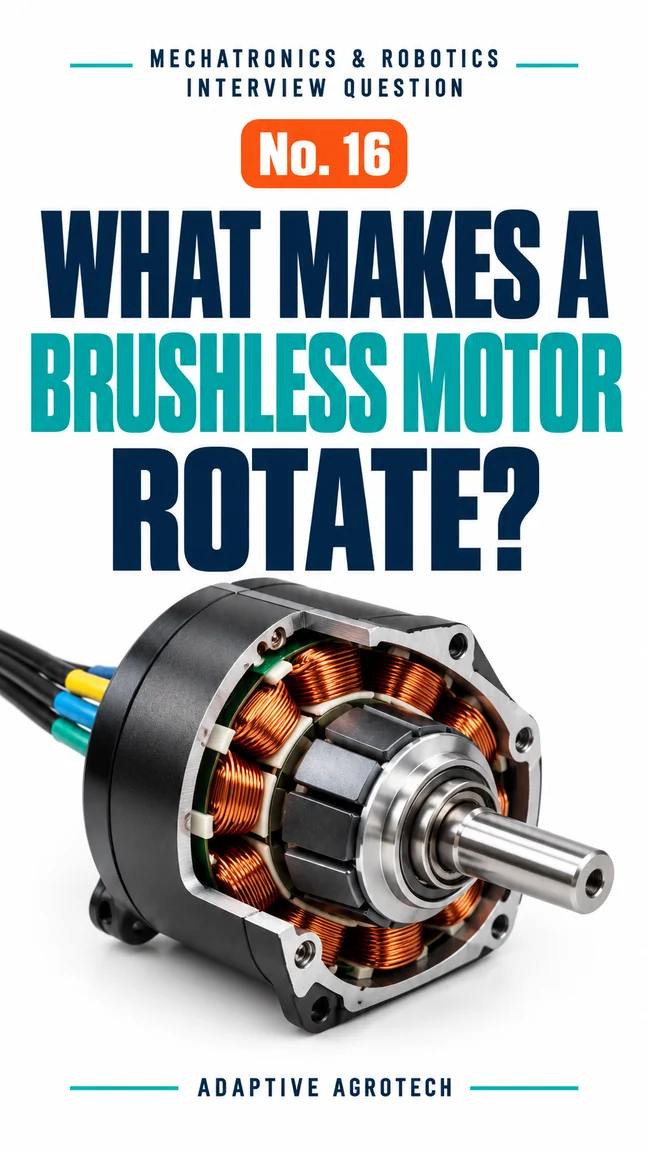
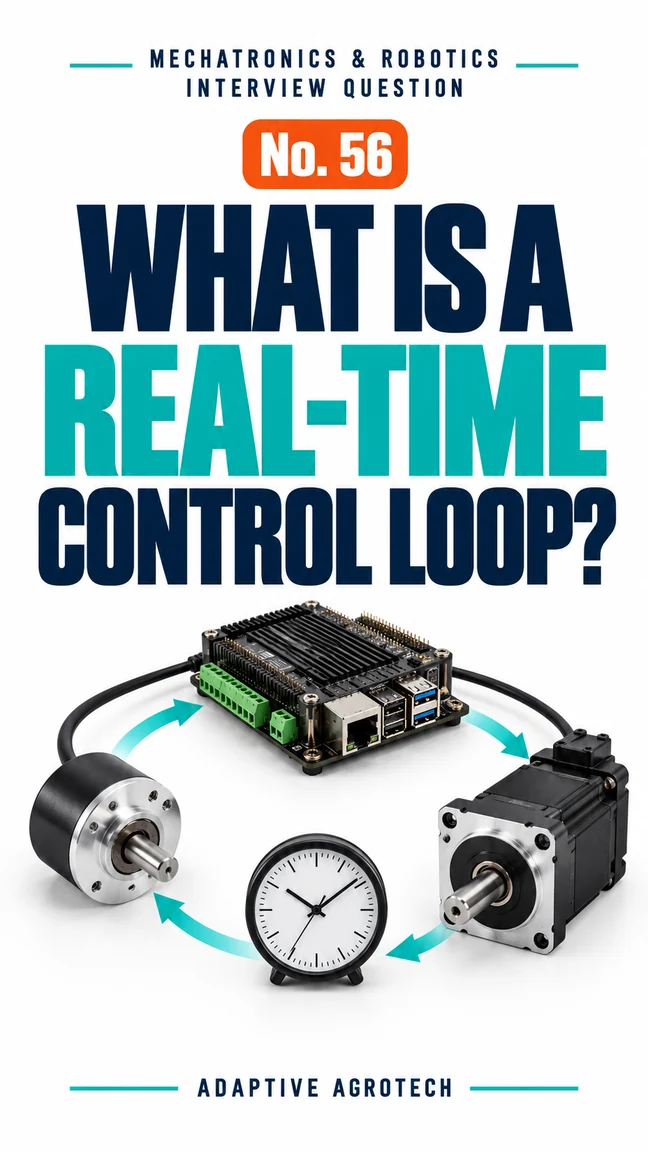
A navigation program supplies a wheel-speed target to a microcontroller that runs the fast control loop. In the brushed-motor example, the microcontroller sends PWM to a motor driver, which switches battery power at the required current. An H bridge sets voltage direction across the motor; duty cycle changes the applied waveform but does not measure speed. The encoder reports rotation through pulses counted over time. Measured speed returns to the controller for comparison with the target, completing a repeating chain of information, electrical power, mechanical motion, and feedback.
What to remember
- A speed request is control information rather than motor power.
- The motor driver switches battery current under microcontroller control.
- Encoder feedback closes the speed-control loop.
Check your understanding
Which component supplies the motor's required electrical power?
Show the explanation
The motor driver switches battery power to the motor; the microcontroller provides control signals.