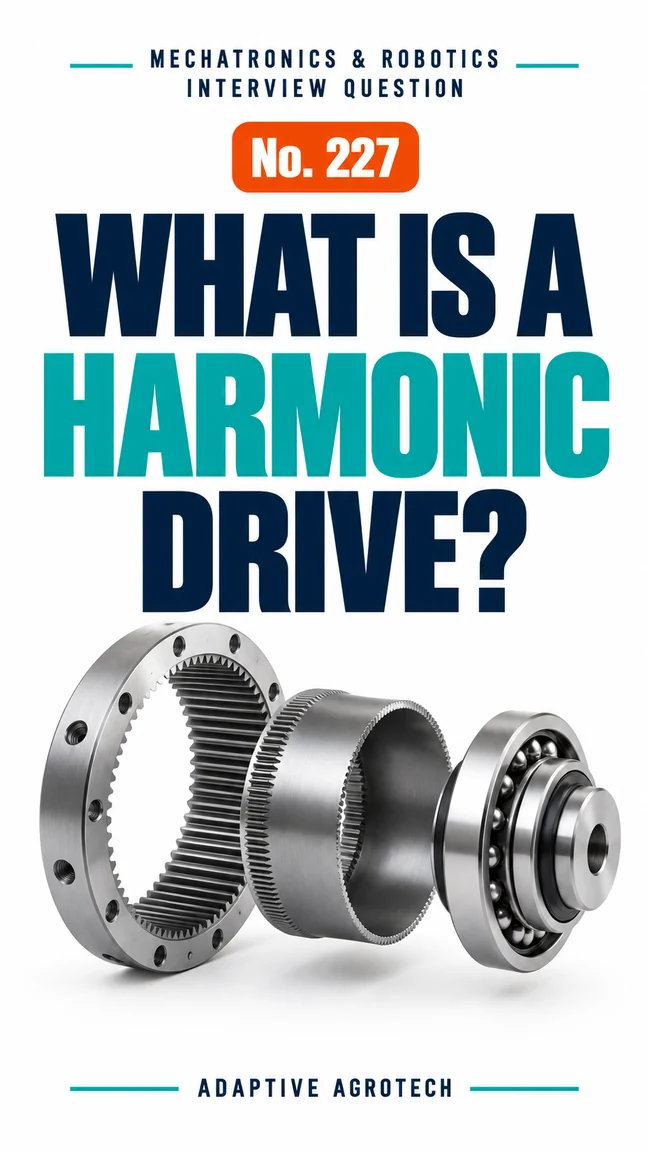
What Is a Harmonic Drive?
A Harmonic Drive is a strain wave gear mechanism. An elliptical wave generator deforms a thin flexspline so its teeth engage a rigid circular spline in two opposite regions.
Watch & exploreExplore one engineering idea at a time. Watch a short lesson, read the key concepts and test your understanding before your next interview, project or class.
Video · Key ideas · Check your understanding
A Harmonic Drive is a strain wave gear mechanism. An elliptical wave generator deforms a thin flexspline so its teeth engage a rigid circular spline in two opposite regions.
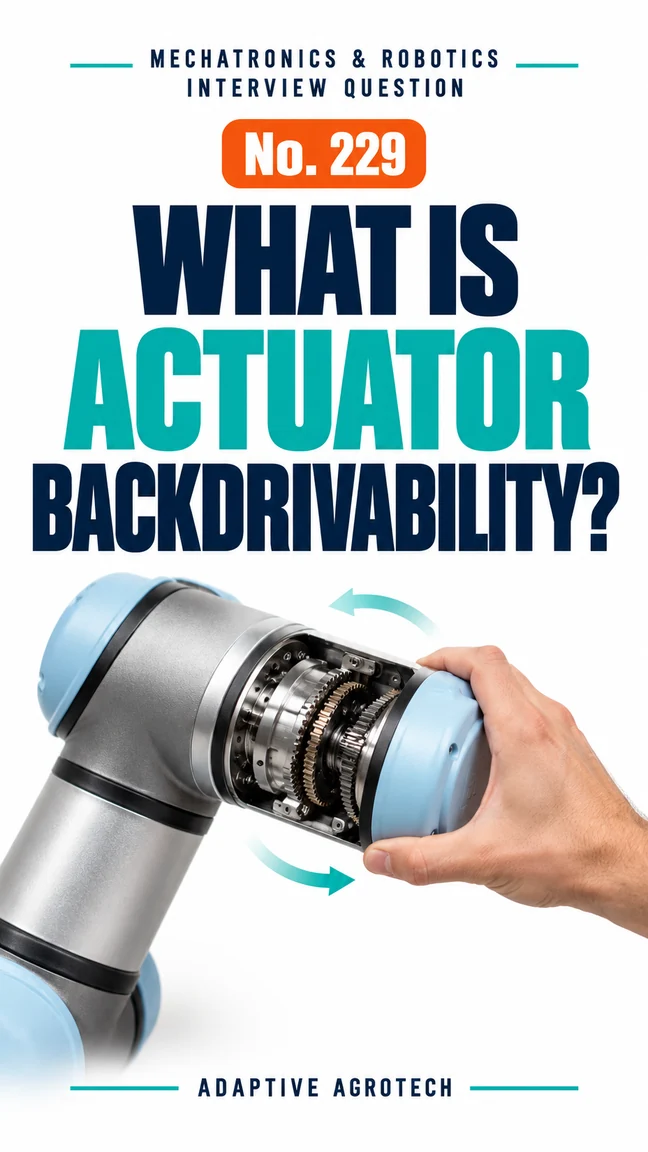
Watch & exploreBackdrivability describes how readily an external load can move an actuator from its output side. Pushing a robot link can then turn the transmission and motor rather than meeting a locked mechanism.
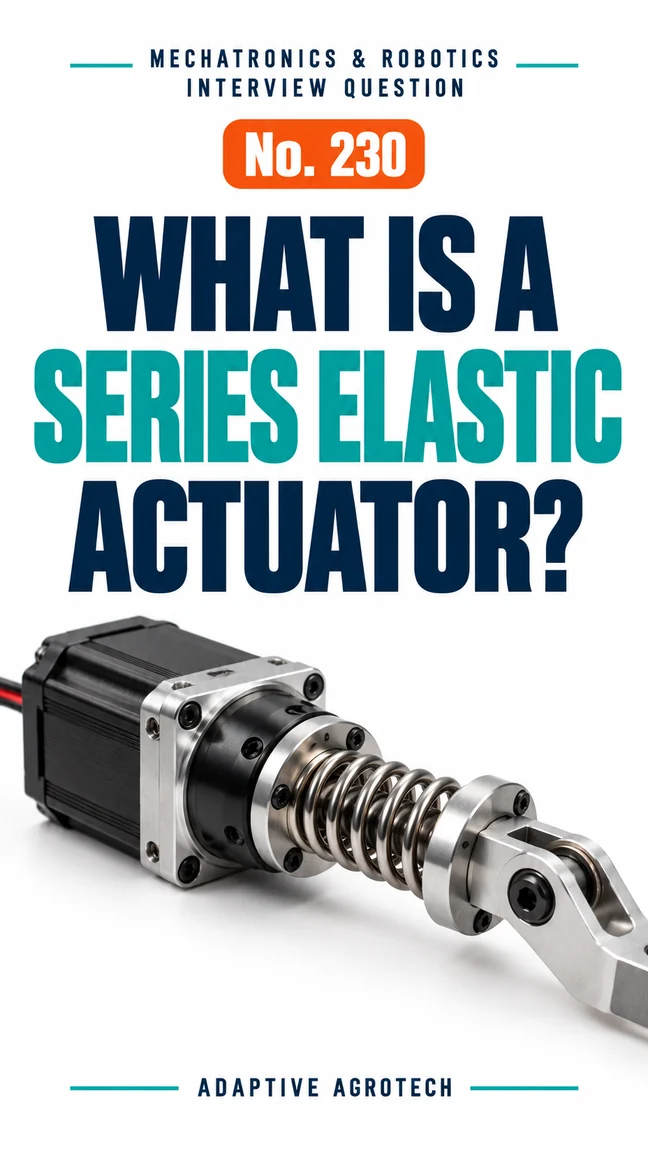
Watch & exploreA series elastic actuator places an elastic element between the actuator transmission and its load. The spring deflects under effort, giving deliberate mechanical compliance in the force path.
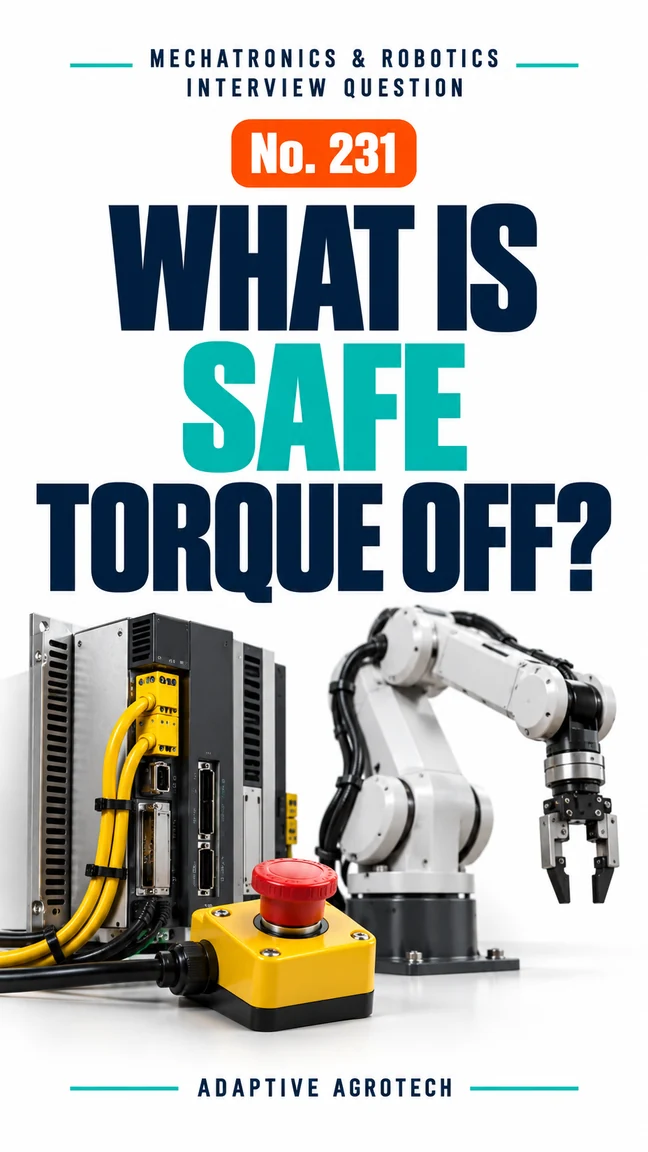
Watch & exploreSafe Torque Off, or STO, is a drive safety function that disables the torque producing output stage. Its purpose is to prevent the drive from generating motor torque through that power stage.
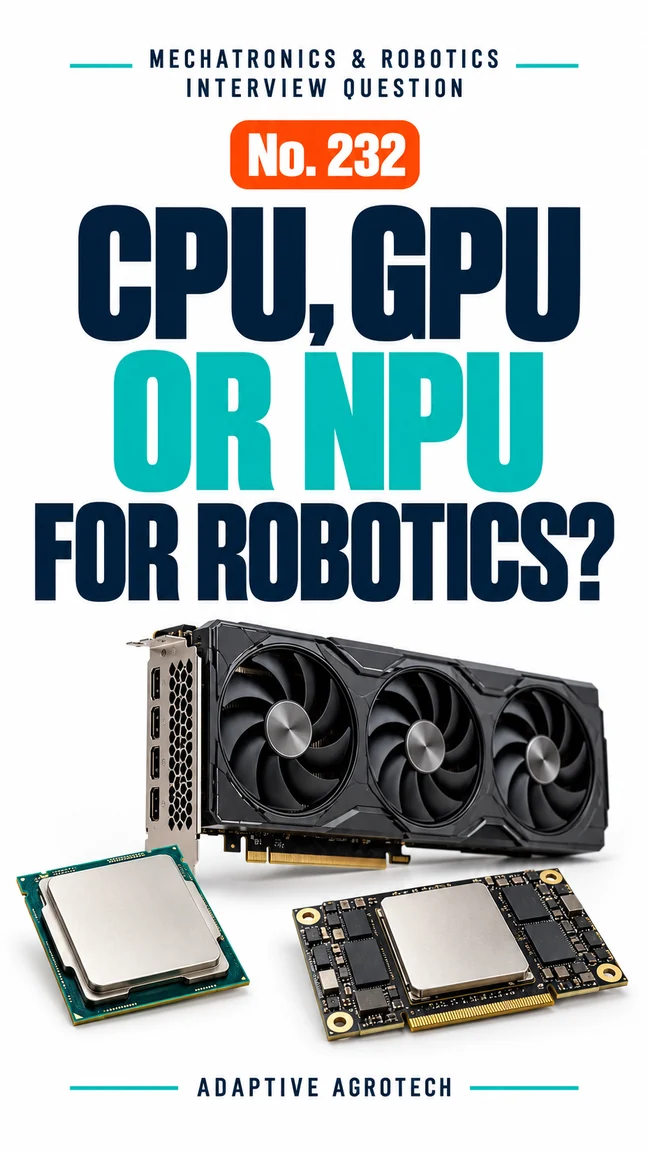
Watch & exploreA CPU handles general programs and control logic. A GPU performs many similar calculations in parallel. An NPU specializes in supported neural network operations, often with efficient low precision arithmetic.
Watch & exploreInference latency is the elapsed time for one request to receive a result. Throughput is how many requests or samples finish per second. A system can have high throughput while individual results arrive late.
Watch & exploreNeural network quantization represents weights or activations using lower precision numbers. A common approach maps floating point values to eight bit integers using a scale and a zero point.
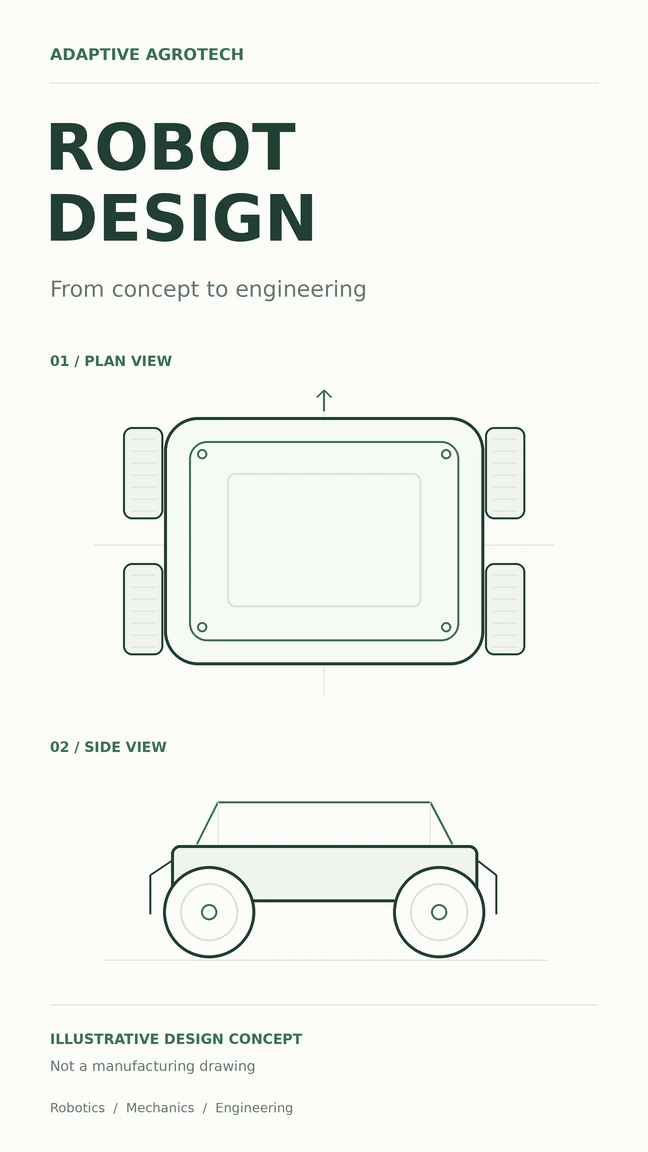
Watch & exploreExplore Adaptive AgroTech’s robot-design work in a short visual introduction. Use the design prompts below to think about the relationship between a robot’s intended task, physical layout and engineering constraints.
Watch & explore