Skip to content
Adaptive AgroTech NetworkUniversity of Southern Denmark · SDU Drone Center
Robotics · Mechatronics · Intelligent systems

Short videos.
Lasting understanding.

Explore one engineering idea at a time. Watch a short lesson, read the key concepts and test your understanding before your next interview, project or class.

11 topics found

Video · Key ideas · Check your understanding

Control systemsNo. 046

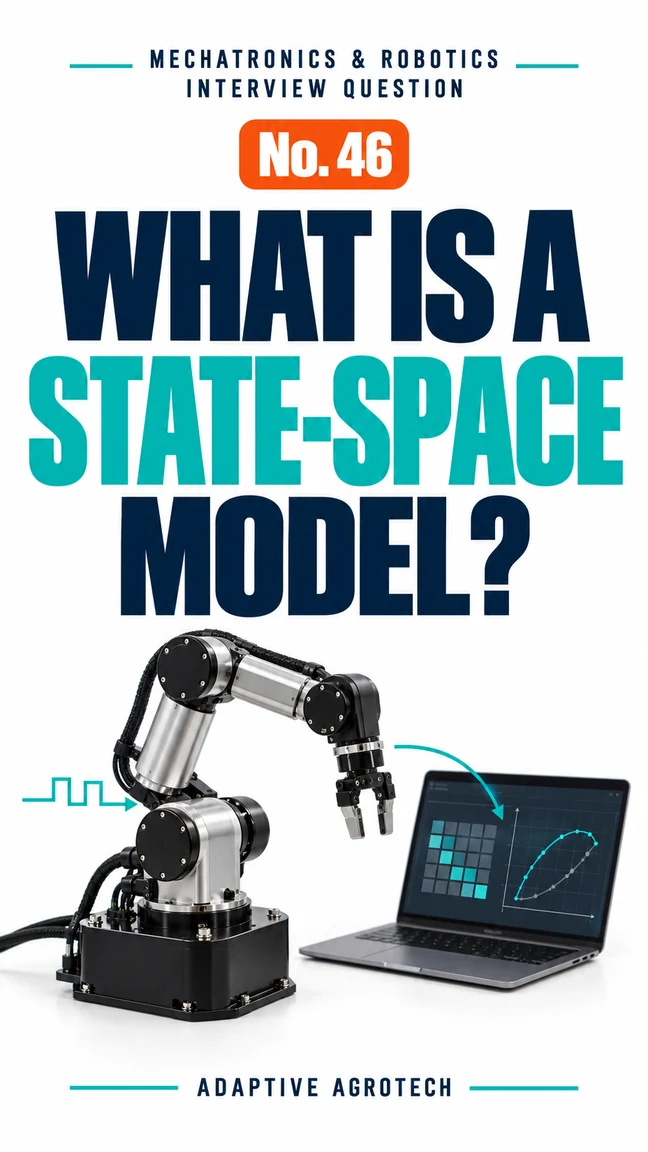
What is a State-Space Model?

A state-space model organizes internal states, inputs, and outputs to predict dynamics. Motor speed and current provide one example, while nonlinear robots may require nonlinear equations or locally valid linear approximations.

Watch & explore
Control systemsNo. 047

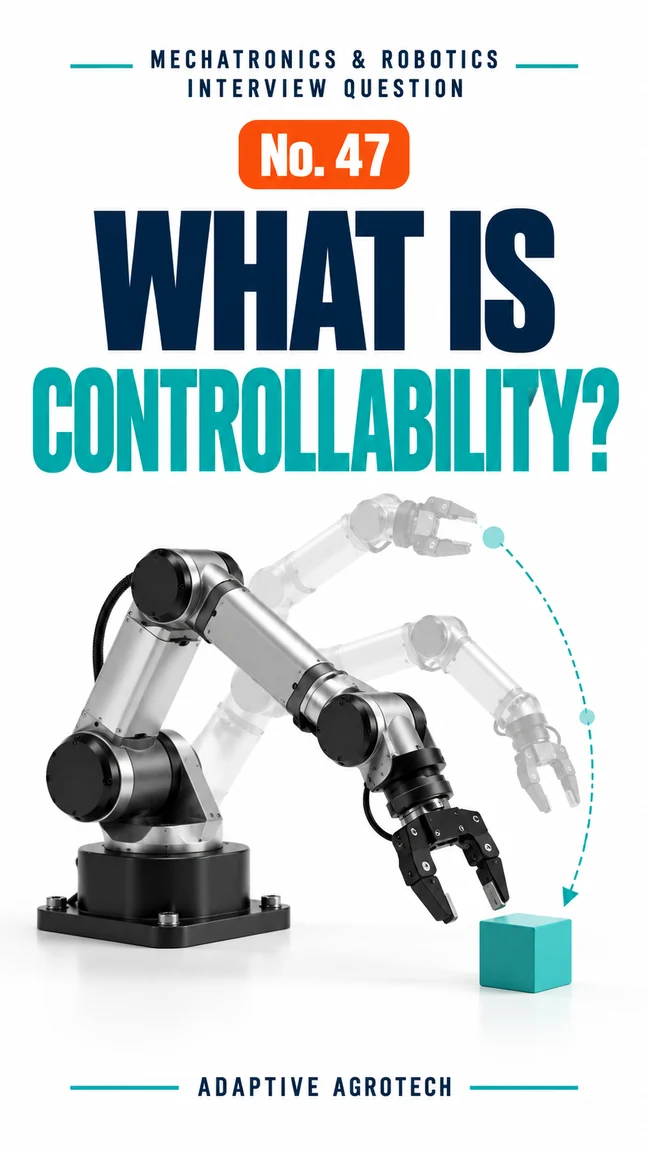
What is Controllability?

Controllability asks whether modeled inputs can move a system between arbitrary states in finite time. A full-rank linear test addresses mathematical actuation, while physical torque limits can still restrict real reachability.

Watch & explore
Control systemsNo. 048

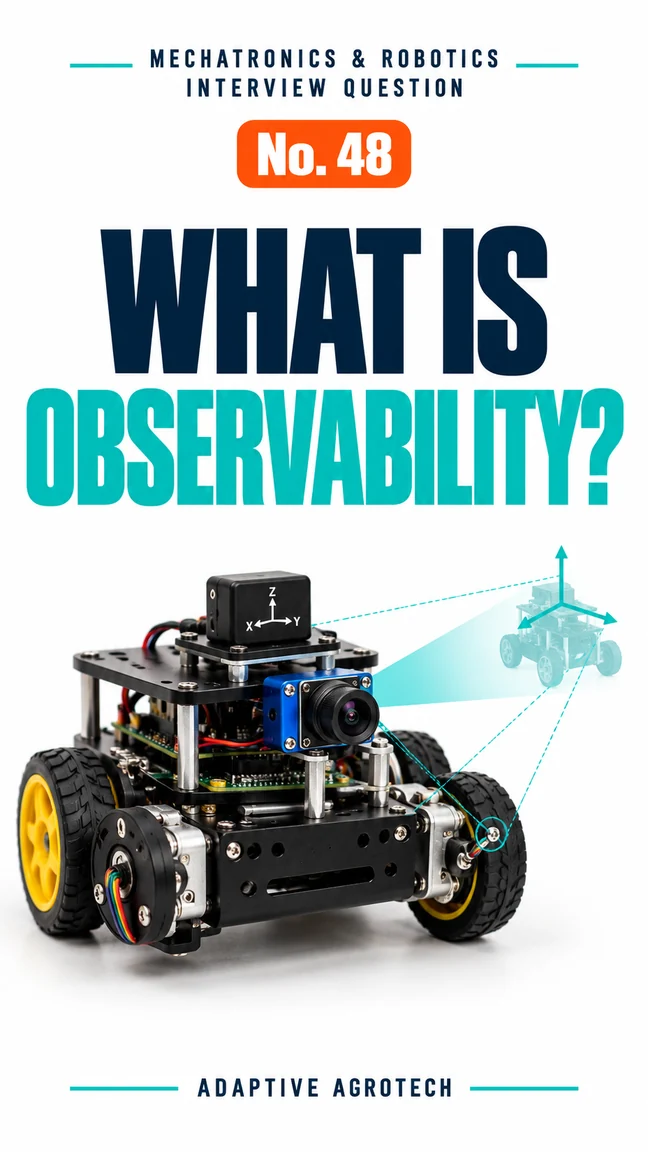
What is Observability?

Observability asks whether model states can be inferred from output history and known inputs. Dynamics can reveal an unmeasured variable, while duplicate sensors may reduce noise without exposing previously hidden state information.

Watch & explore
Control systemsNo. 054

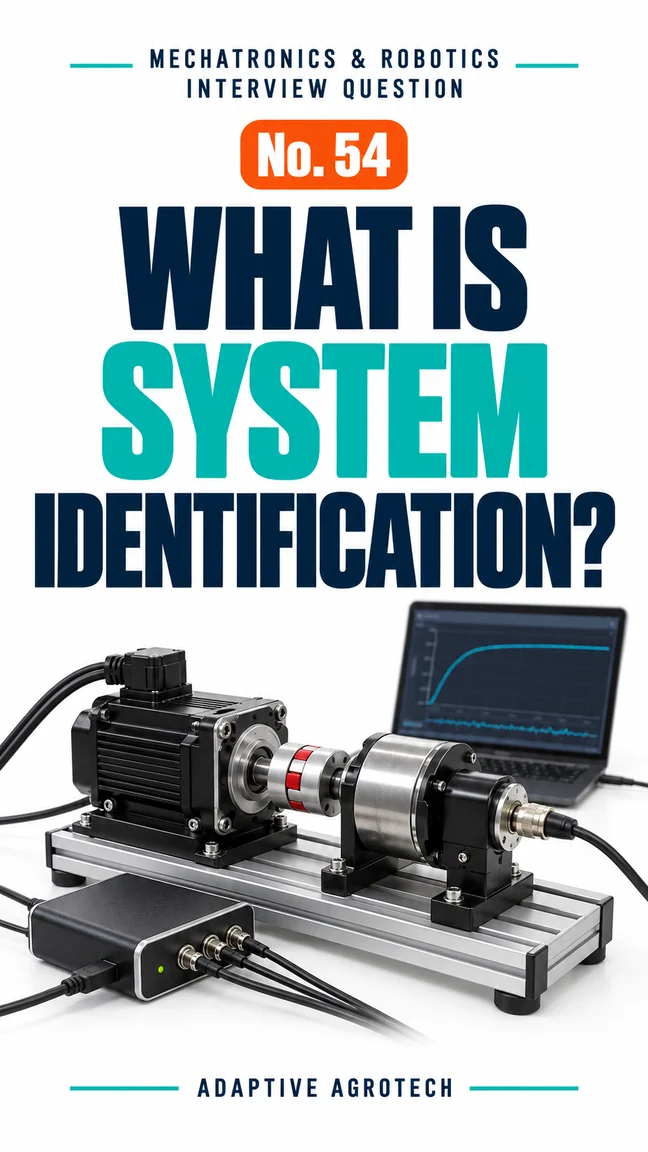
What is System Identification?

System identification fits a dynamic model from recorded inputs and outputs. Informative excitation reveals relevant behavior, and separate validation data helps distinguish useful dynamics from overfitting, delay, bias, or changing operating conditions.

Watch & explore
Control systemsNo. 055

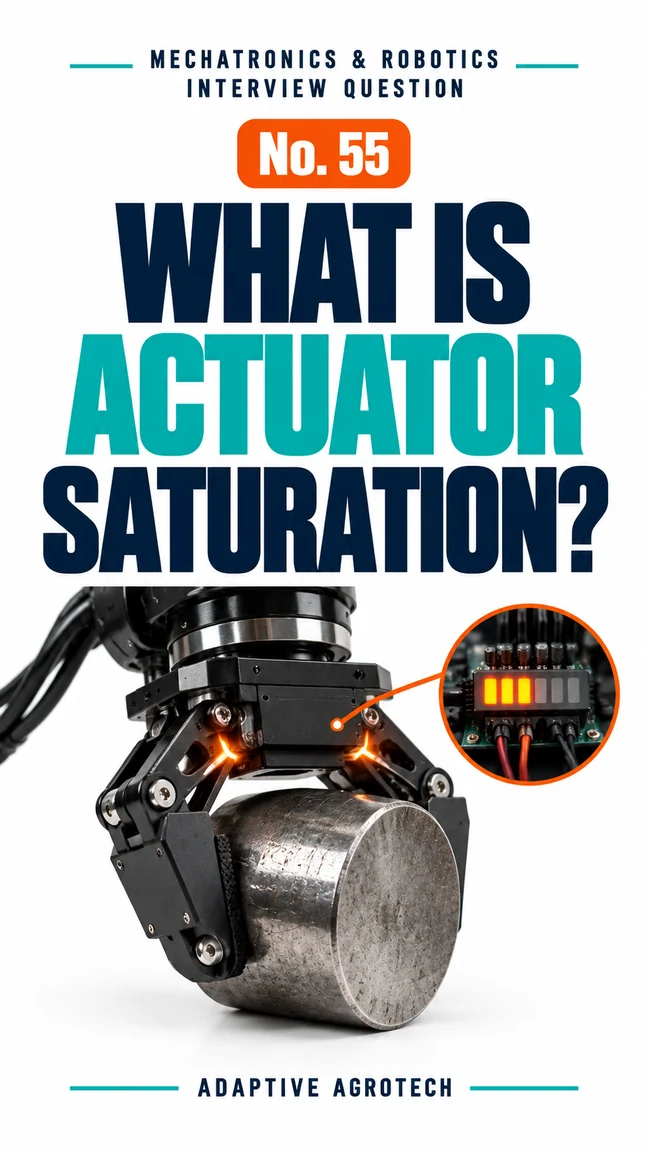
What is Actuator Saturation?

Actuator saturation clips commands at physical voltage, current, or effort limits. The delivered motion then differs from an unlimited model, potentially causing slow tracking or integral windup and requiring realistic limits in control design.

Watch & explore
Control systemsNo. 162

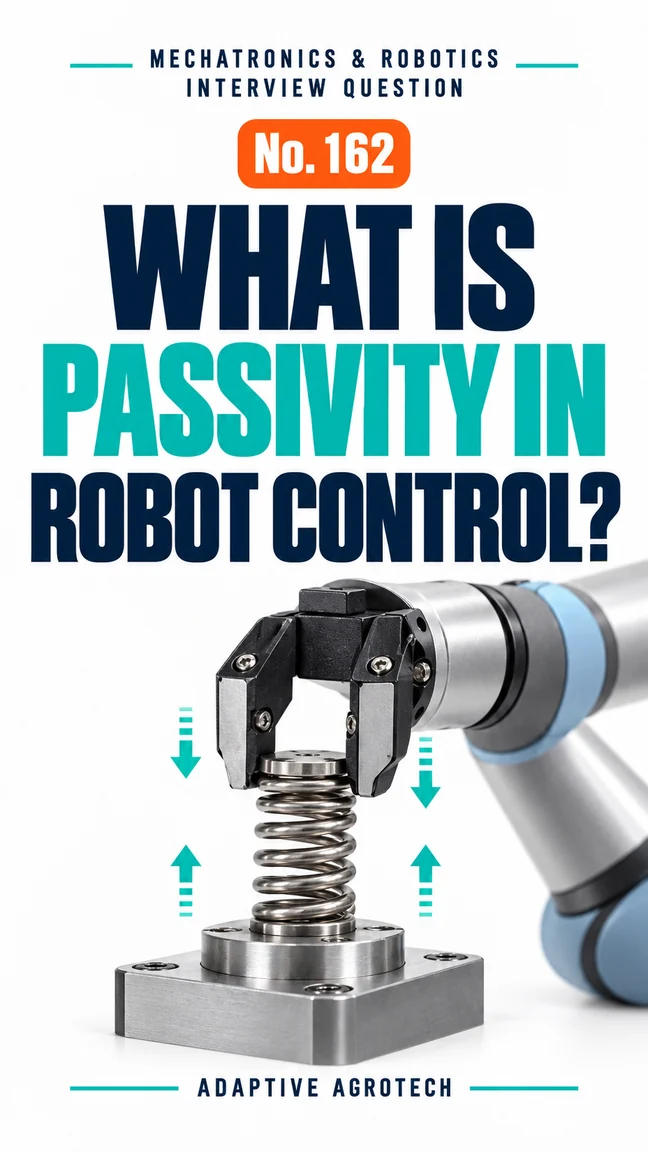
What Is Passivity in Robot Control?

Passivity is an input–output energy property. A passive system cannot supply more energy than it initially stores plus the energy it receives. For mechanical interaction, force and velocity form a power pair at the contact.

Watch & explore
Control systemsNo. 163

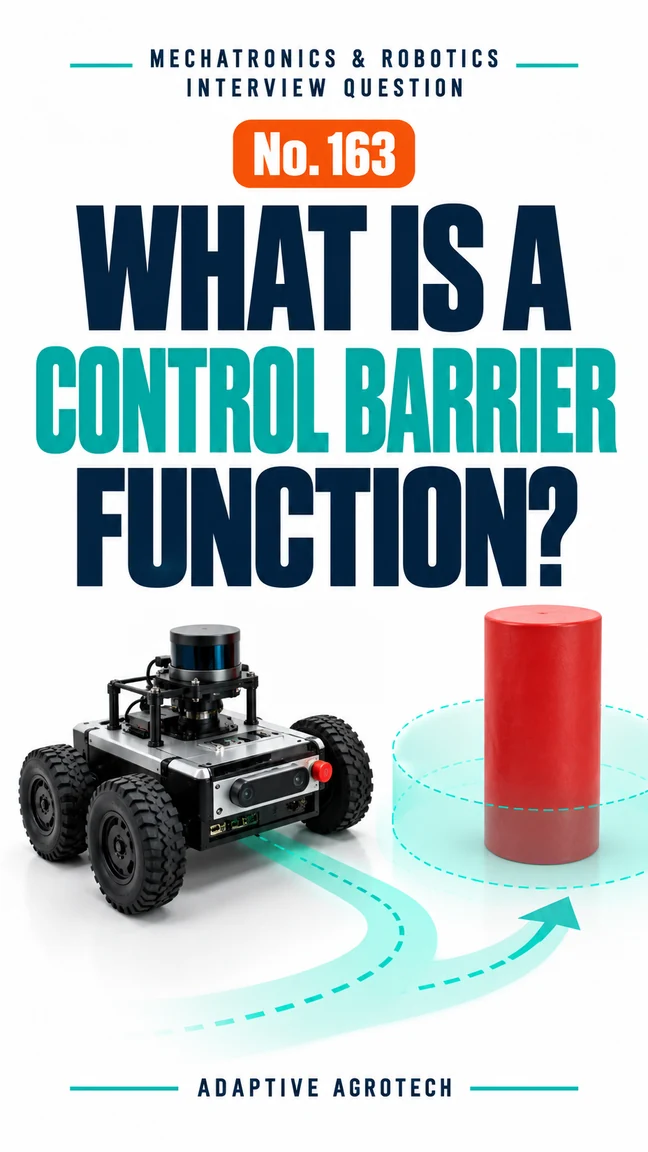
What Is a Control Barrier Function?

A control barrier function encodes an allowed region of state space. Its derivative condition restricts the control input so the state can remain inside. This differs from merely adding an obstacle penalty to a cost.

Watch & explore
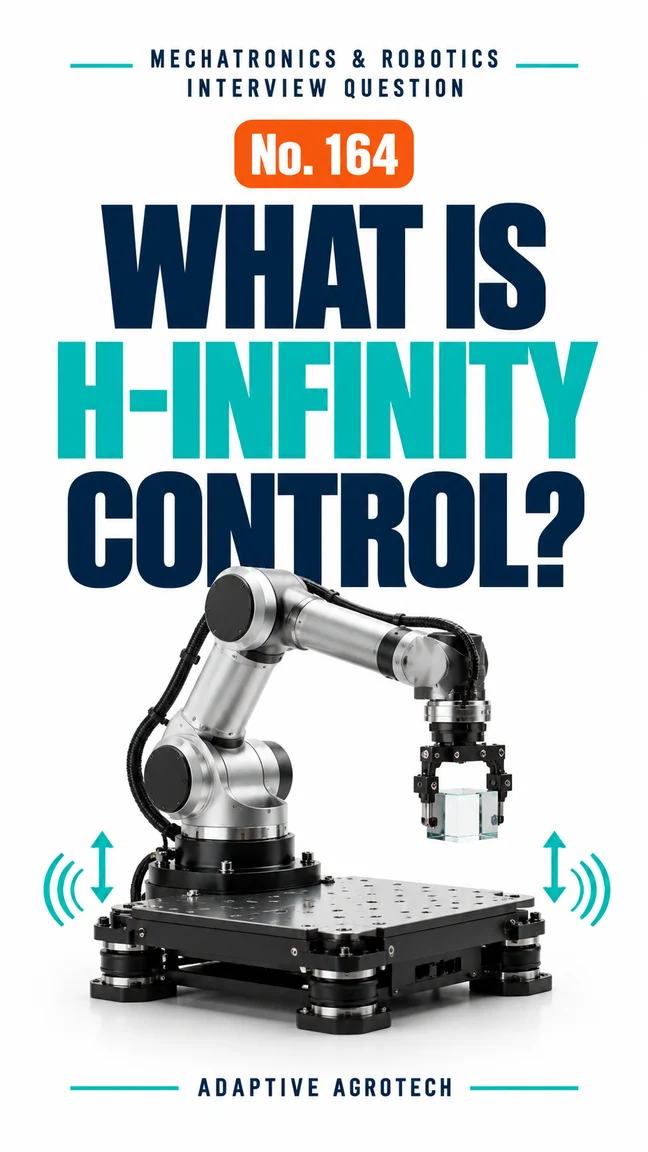
Control systemsNo. 164

What Is H-Infinity Control?

H infinity control limits the worst case amplification from disturbances to selected outputs. For a stable linear system, its H infinity norm measures the largest gain across frequency and input directions.

Watch & explore
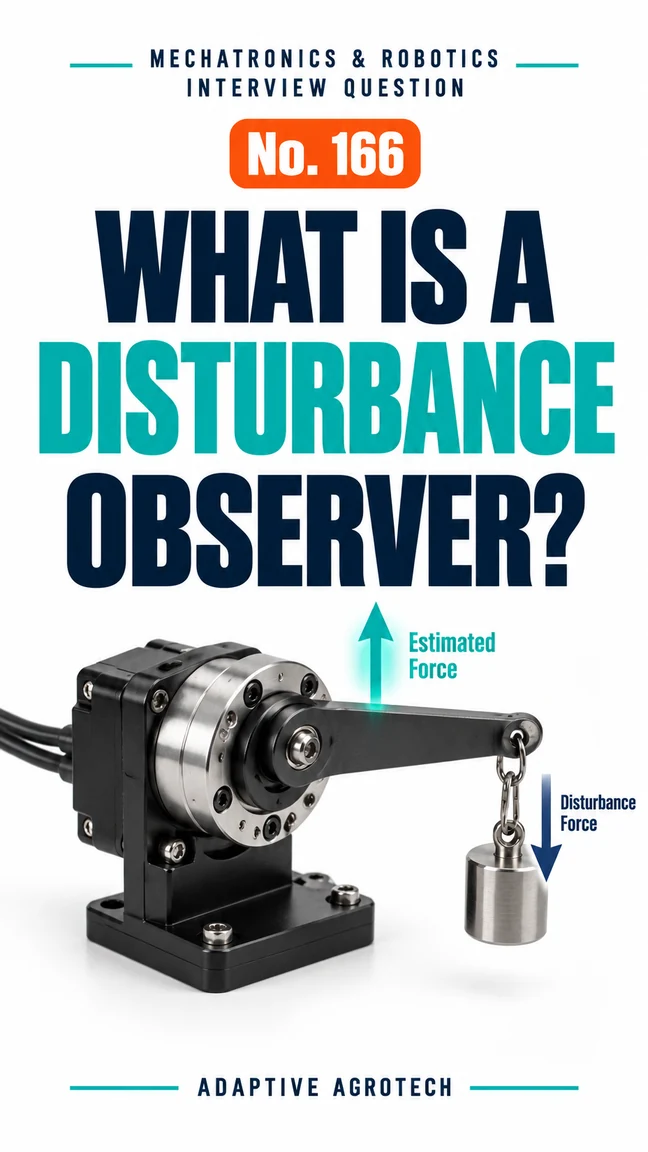
Control systemsNo. 166

What Is a Disturbance Observer?

A disturbance observer estimates an unknown influence from the robot input, measured output, and a nominal model. The estimate can include external loads and some model mismatch, depending on its structure and assumptions.

Watch & explore