Skip to content
Adaptive AgroTech NetworkUniversity of Southern Denmark · SDU Drone Center
Robotics · Mechatronics · Intelligent systems

Short videos.
Lasting understanding.

Explore one engineering idea at a time. Watch a short lesson, read the key concepts and test your understanding before your next interview, project or class.

16 topics found

Video · Key ideas · Check your understanding

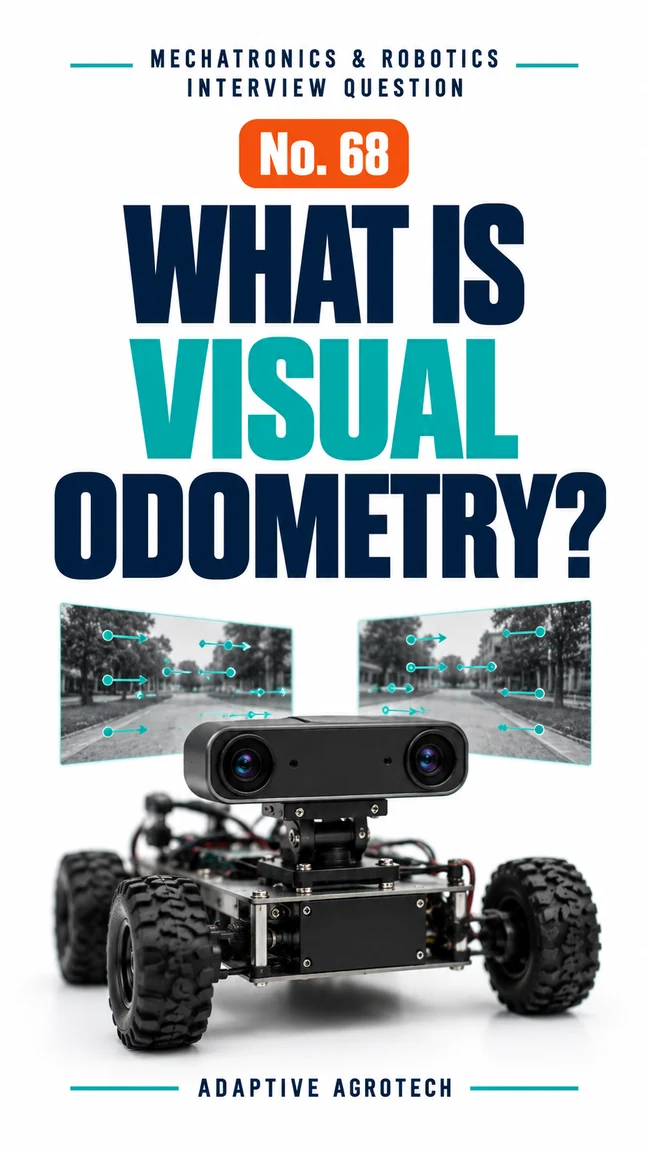
Computer visionNo. 068

What is Visual Odometry?

Visual odometry estimates relative camera motion from image sequences. Feature or brightness changes constrain geometry, stereo provides metric depth, and monocular scale ambiguity and tracking failures limit its long-term position estimate.

Watch & explore
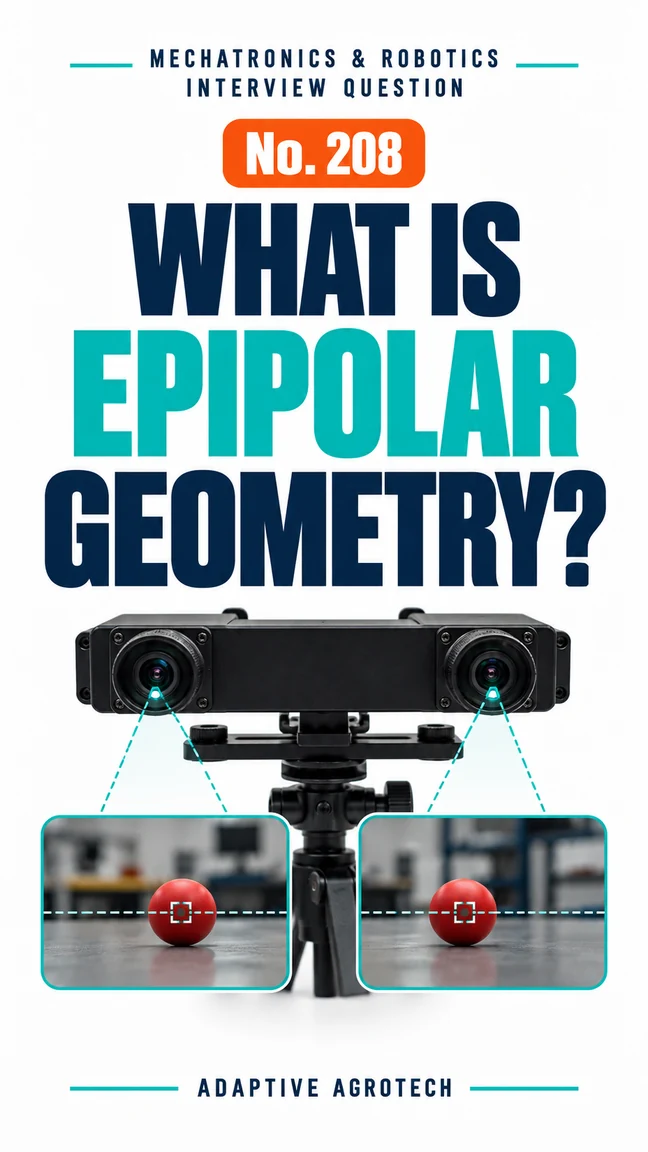
Computer visionNo. 208

What Is Epipolar Geometry?

Epipolar geometry relates two views of the same three dimensional scene. Given a point in one image, its matching point in the other image lies on an epipolar line, when the camera geometry and correspondence assumptions hold.

Watch & explore
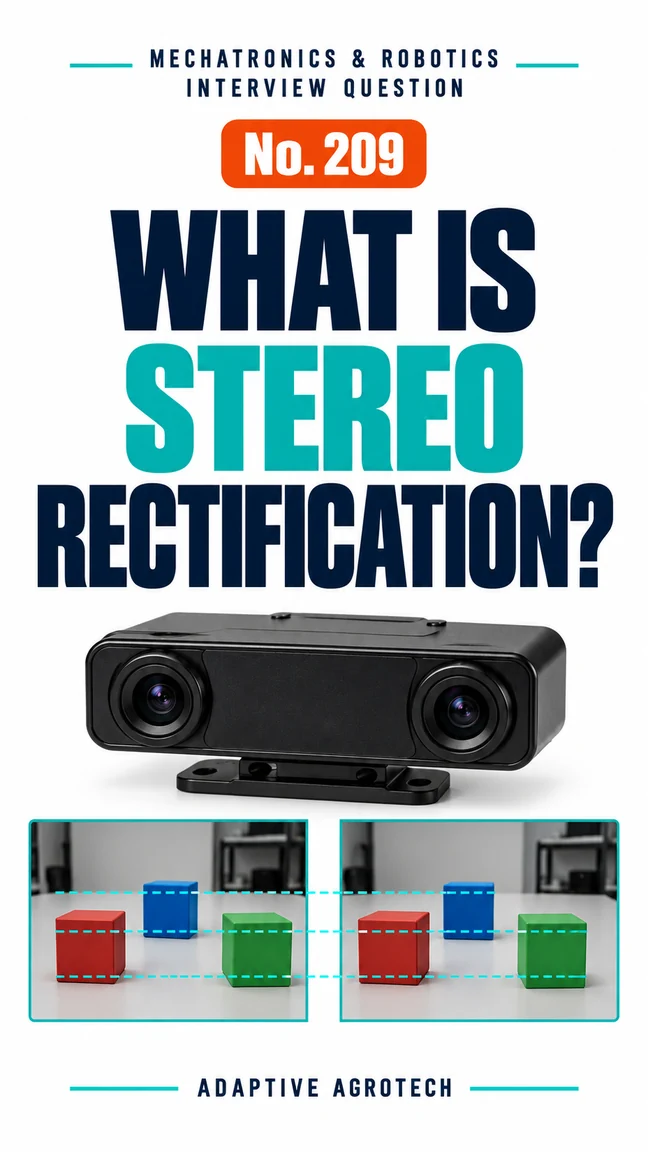
Computer visionNo. 209

What Is Stereo Rectification?

Stereo rectification warps a stereo image pair so corresponding epipolar lines become aligned. For a common horizontal stereo arrangement, matching points appear on the same image row. The rectified camera models describe this new geometry.

Watch & explore
Computer visionNo. 210

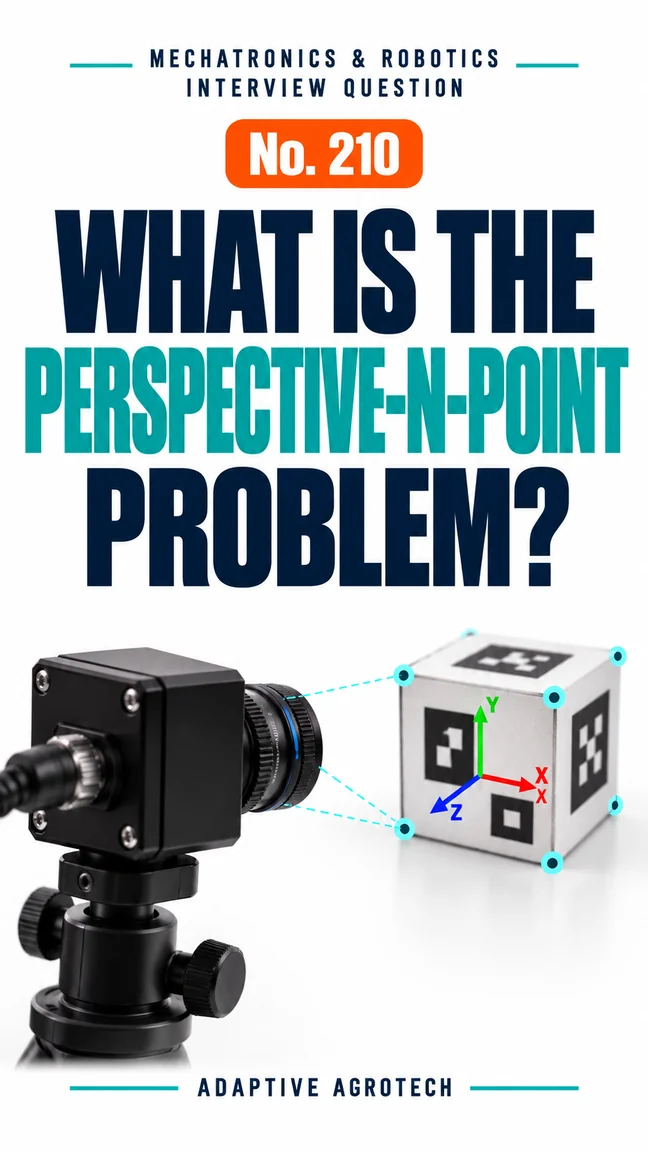
What Is the Perspective-n-Point Problem?

Perspective n point estimates a camera relative pose from known three dimensional points and their corresponding two dimensional image locations. The camera intrinsics are also inputs. The unknowns are the rotation and translation relating the coordinate frames.

Watch & explore
Computer visionNo. 211

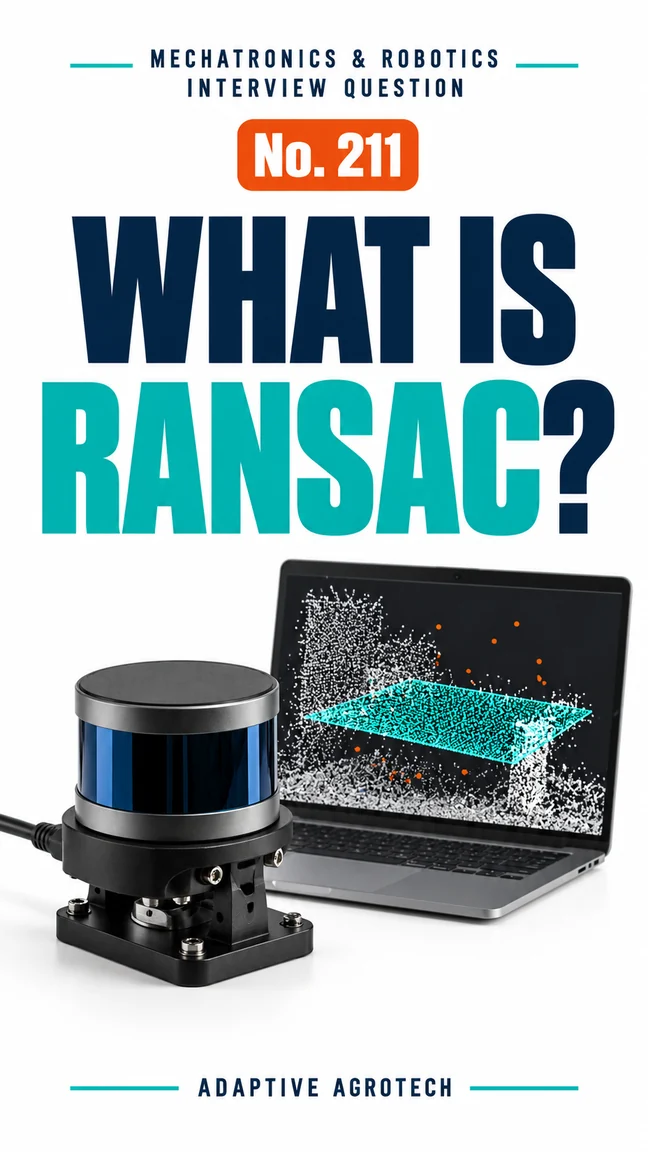
What Is RANSAC, and Why Do Robots Use It?

RANSAC means random sample consensus. It repeatedly fits a candidate model to small random subsets, then counts measurements that agree within a chosen tolerance. It seeks a model supported by many inliers despite incorrect measurements in the data.

Watch & explore
Computer visionNo. 212

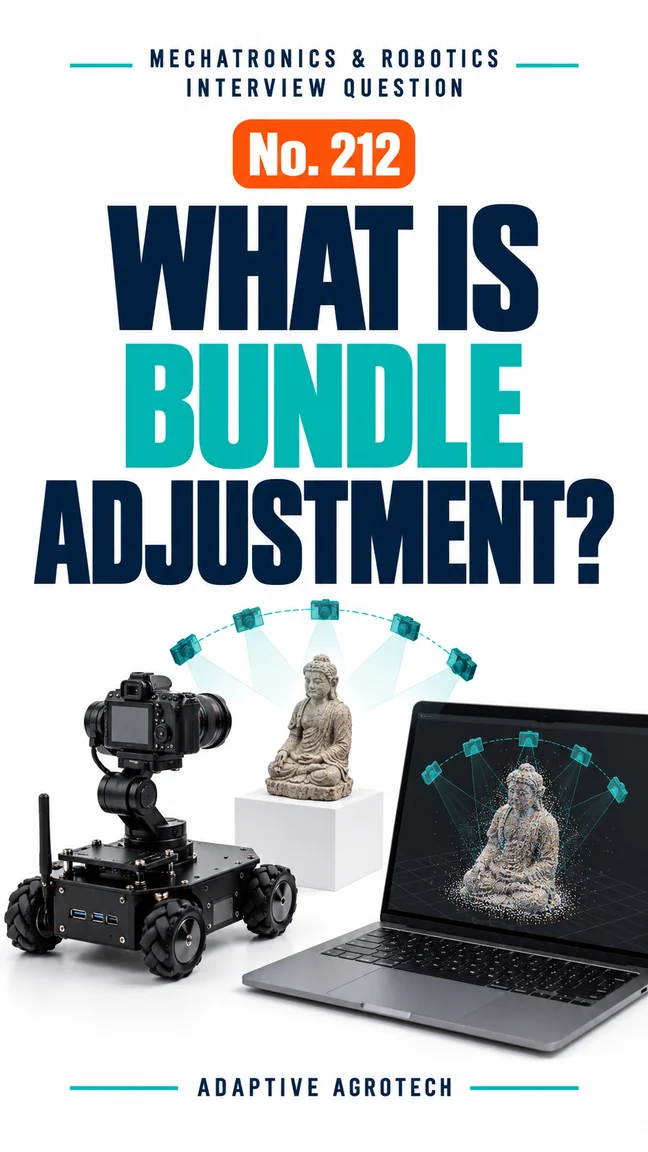
What Is Bundle Adjustment?

Bundle adjustment jointly refines camera poses and three dimensional scene points using their image observations. It minimizes a reprojection objective across views. This couples the estimated camera motion with the geometry of the reconstructed scene.

Watch & explore
Computer visionNo. 214

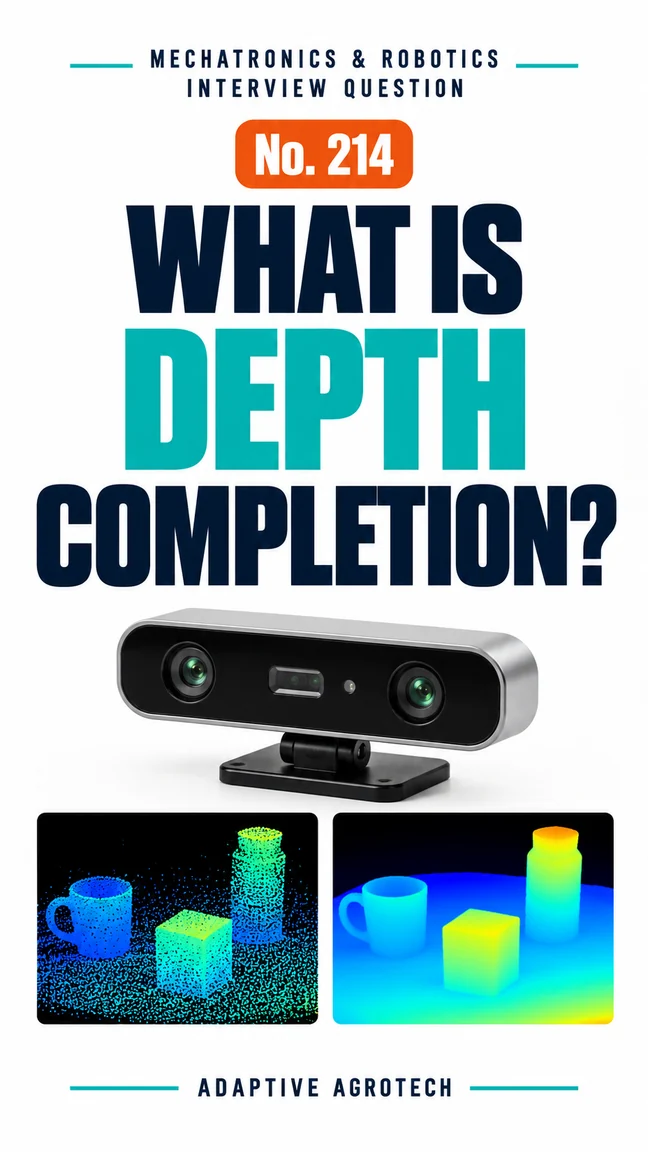
What Is Depth Completion in Robot Vision?

Depth completion predicts a dense depth map from incomplete depth measurements, often using an RGB image as additional input. Some pixels have measured ranges, while other pixels receive estimates based on surrounding evidence and learned visual patterns.

Watch & explore
Computer visionNo. 219

What Is Non-Maximum Suppression?

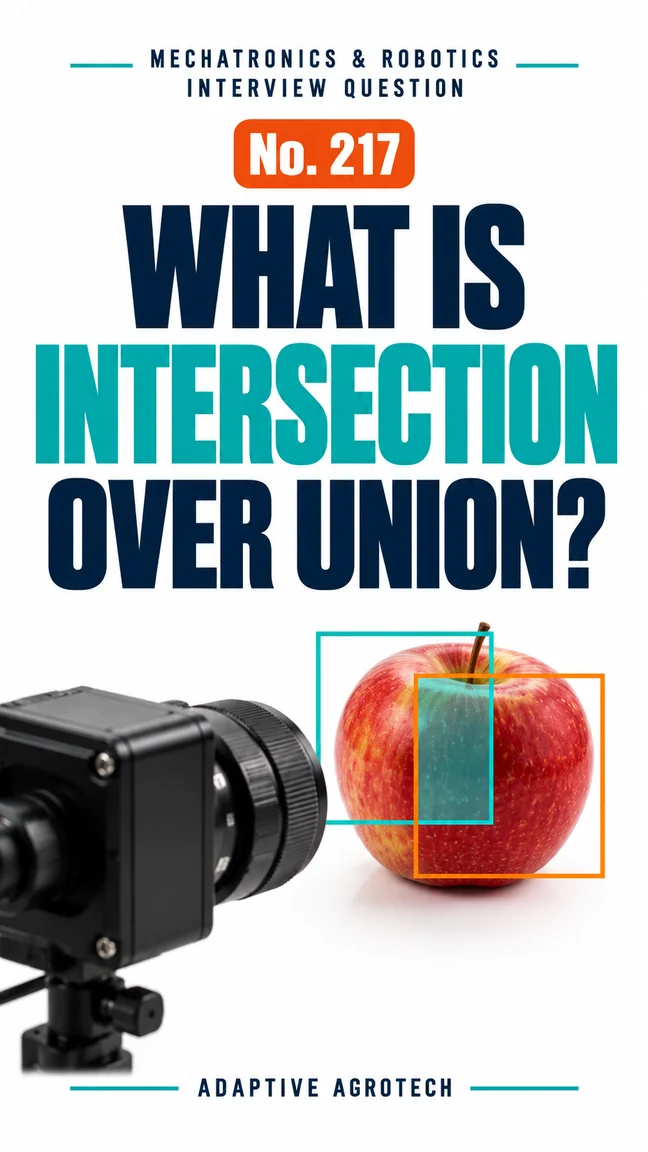
Non maximum suppression reduces duplicate detection boxes. A common greedy version keeps the highest scoring box, then suppresses lower scoring boxes that overlap it above a chosen intersection over union threshold. It repeats with the remaining candidates.

Watch & explore
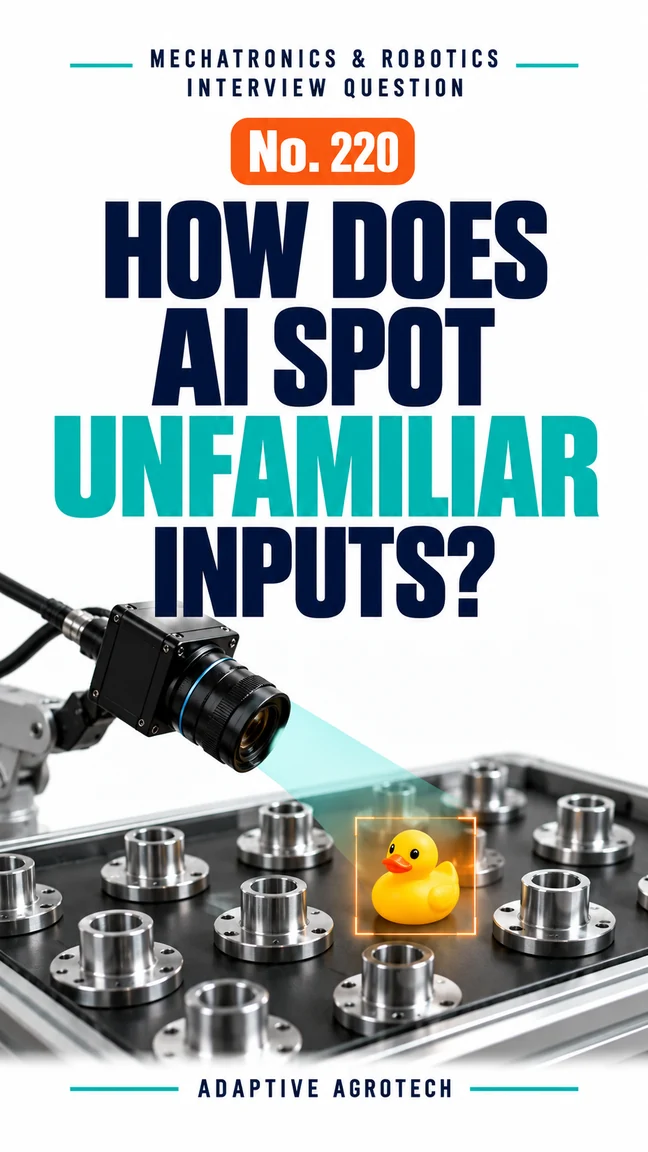
Computer visionNo. 220

What Is Out-of-Distribution Detection?

Out of distribution detection tries to recognize inputs that differ from the model training distribution. This is a detection task alongside prediction. The robot may need to identify an unfamiliar situation even when its classifier produces a confident label.

Watch & explore