Skip to content
Adaptive AgroTech NetworkUniversity of Southern Denmark · SDU Drone Center
Robotics · Mechatronics · Intelligent systems

Short videos.
Lasting understanding.

Explore one engineering idea at a time. Watch a short lesson, read the key concepts and test your understanding before your next interview, project or class.

35 topics found

Video · Key ideas · Check your understanding

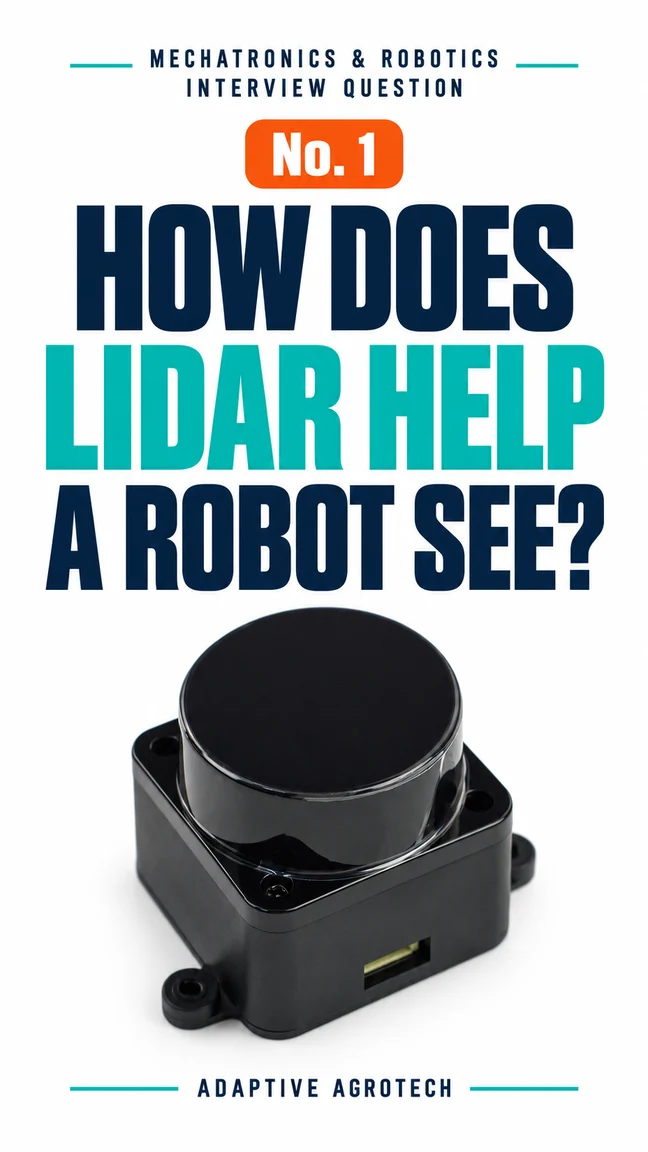
Sensors & perceptionNo. 001

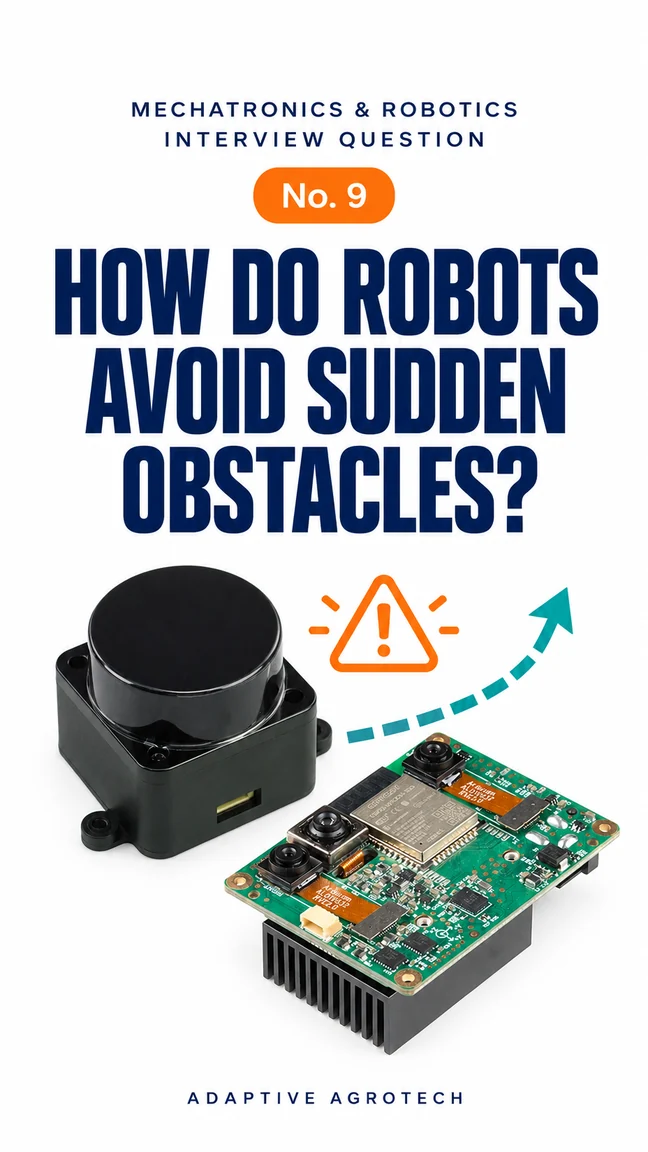
How LiDAR Helps a Robot See

Scanning LiDAR pairs range with angle to detect surrounding surfaces. Time-of-flight measurements support obstacle detection and mapping, while a two-dimensional scan can miss objects outside its measurement plane.

Watch & explore
Robot kinematicsNo. 021

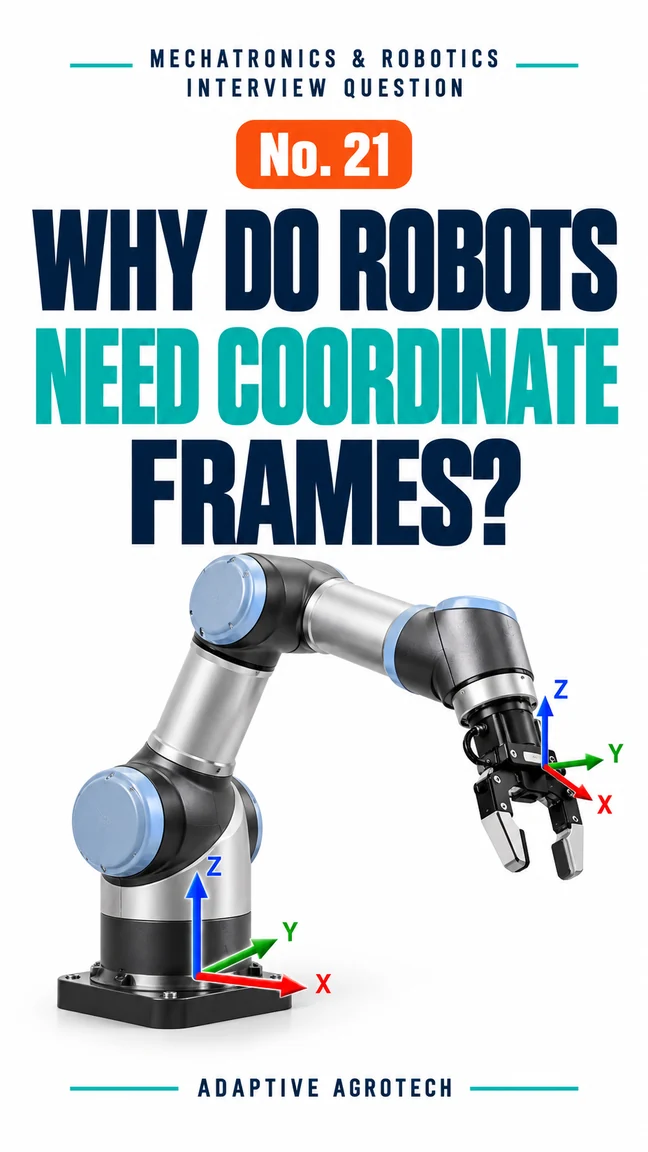
Why a Robot Needs Coordinate Frames

Coordinate frames describe the same physical point from different origins and axes. Rigid transforms connect sensor, robot, and map coordinates, and correct composition requires consistent directions, conventions, and measurement timestamps.

Watch & explore
Localization & estimationNo. 059

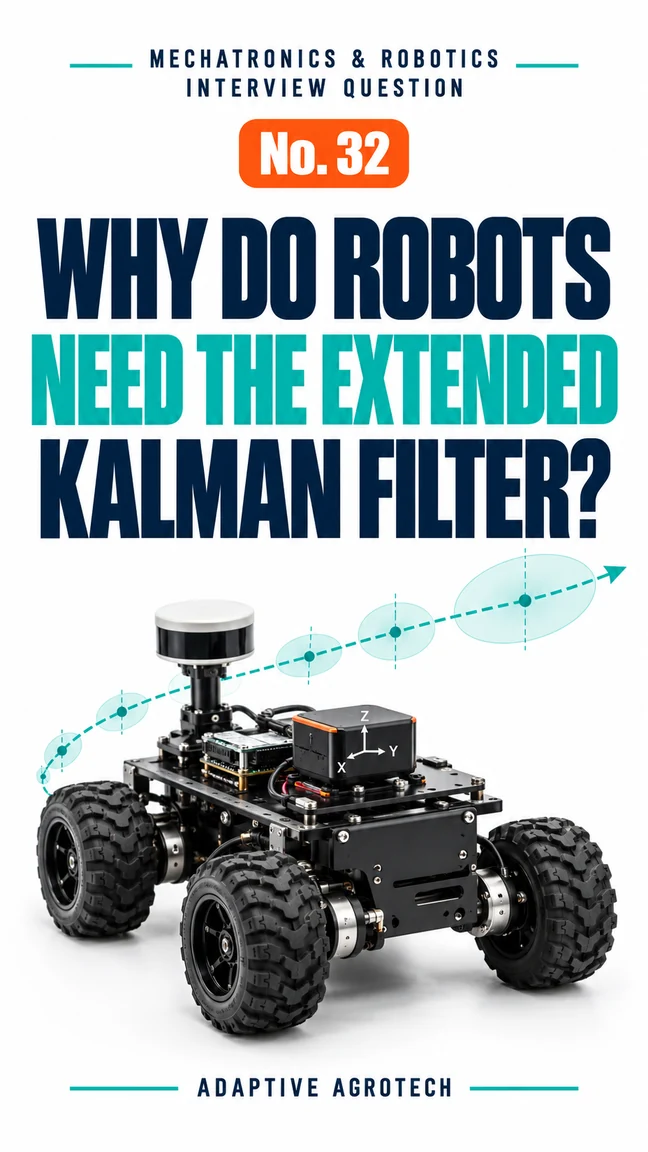
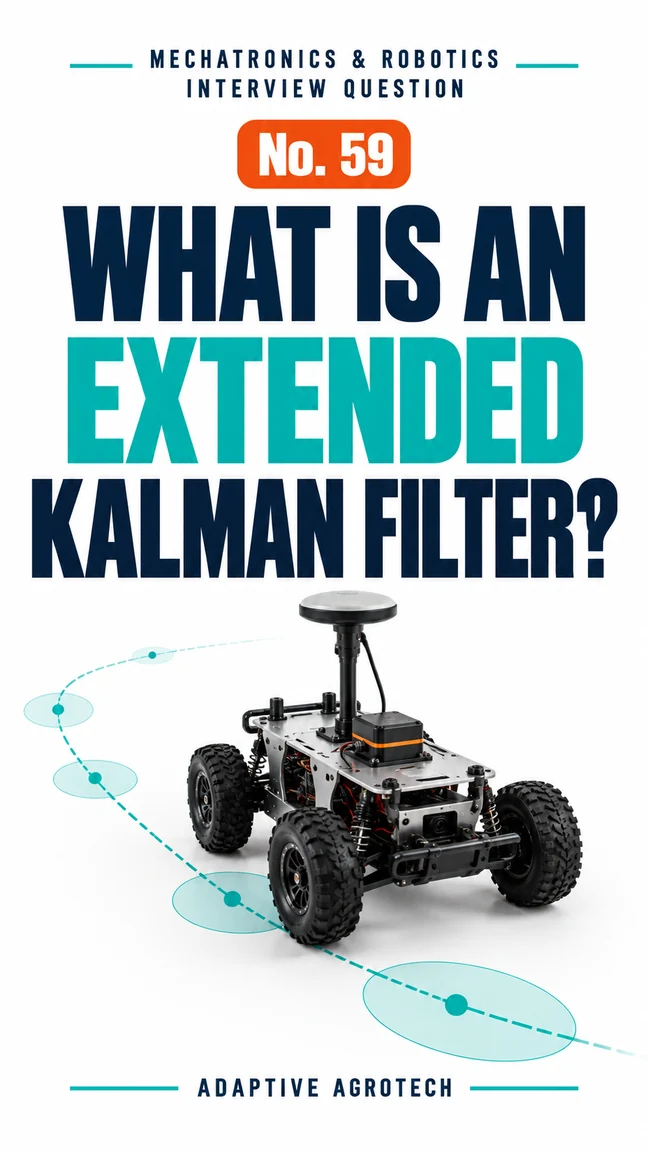
What is an Extended Kalman Filter?

The EKF uses nonlinear models for state prediction and Jacobians for local uncertainty handling. Heading-dependent robot motion is a typical application, with initialization and residual checks exposing failures of the local approximation.

Watch & explore
Localization & estimationNo. 061

What is a Particle Filter?

A particle filter represents localization with many weighted pose hypotheses. Motion moves them, measurements score them, and resampling focuses computation on plausible alternatives, with particle count controlling hypothesis retention and resource demand.

Watch & explore
Localization & estimationNo. 069

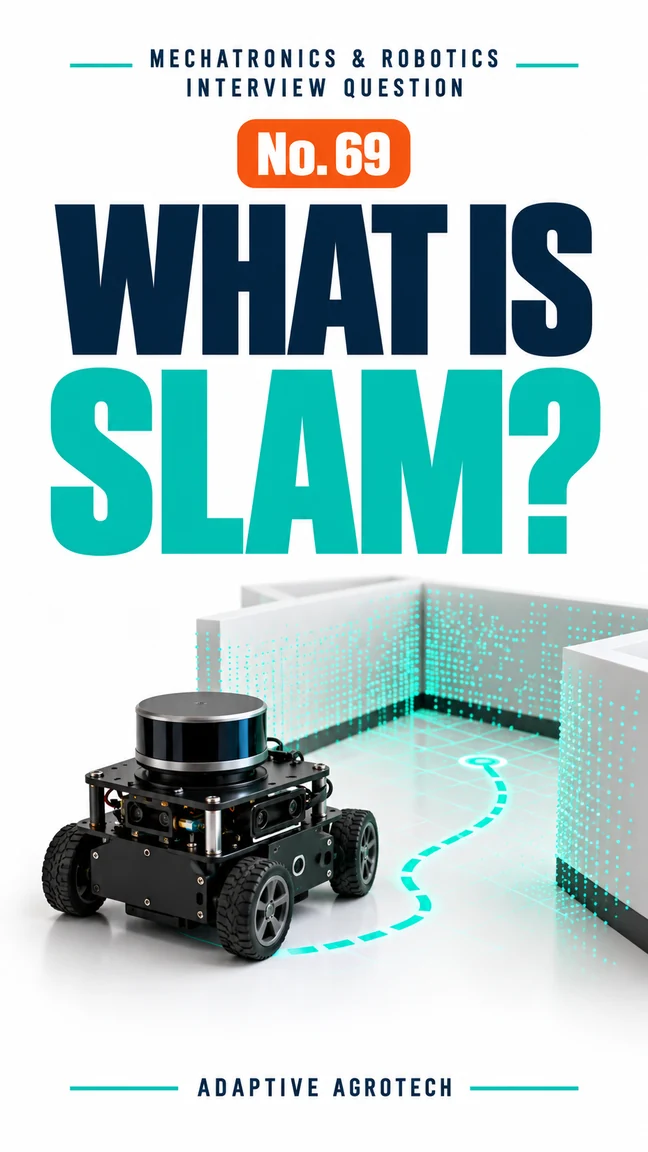
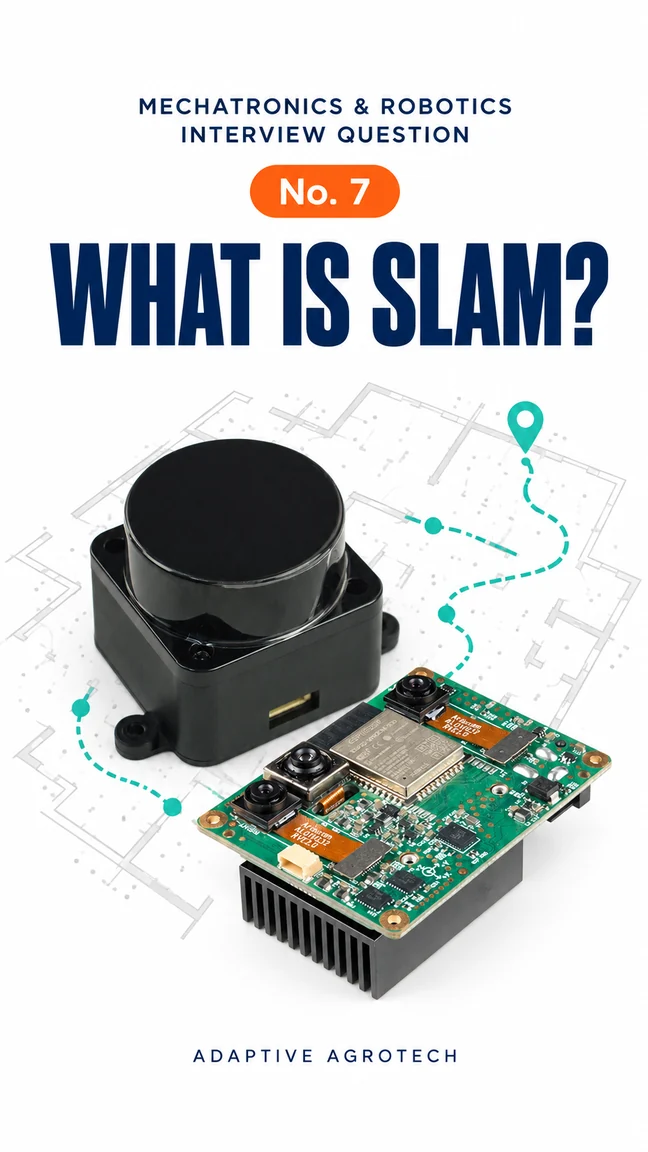
What is SLAM?

SLAM jointly estimates robot trajectory and an initially unknown map. Motion and sensor observations constrain the same model, while revisits can reduce drift and incorrect associations can damage both map and pose.

Watch & explore
Localization & estimationNo. 070

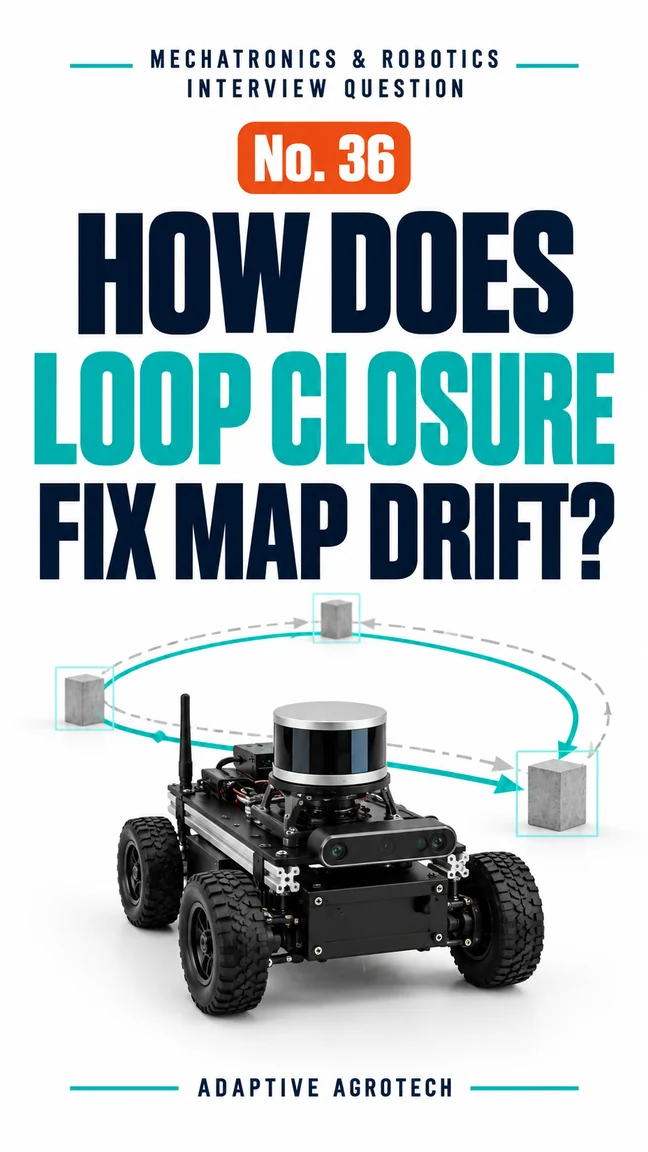
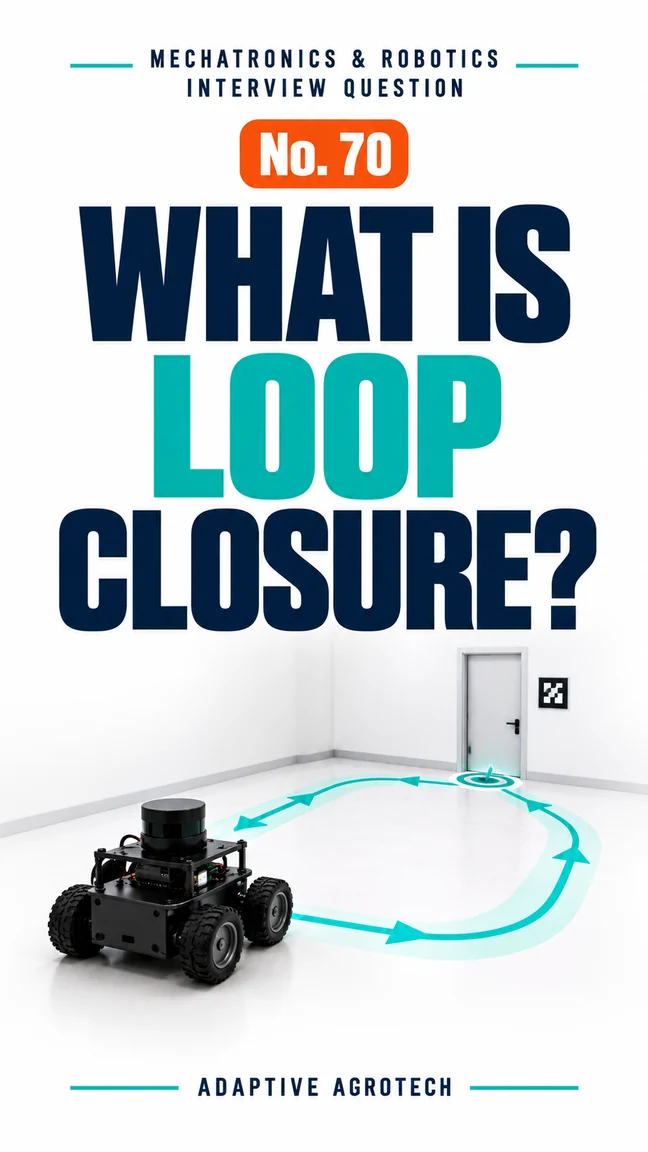
What is Loop Closure?

Loop closure links a current pose to a previously visited place. Optimization spreads correction across connected poses and features, but geometric verification is essential because one false match can distort a useful map.

Watch & explore
Motion planningNo. 077

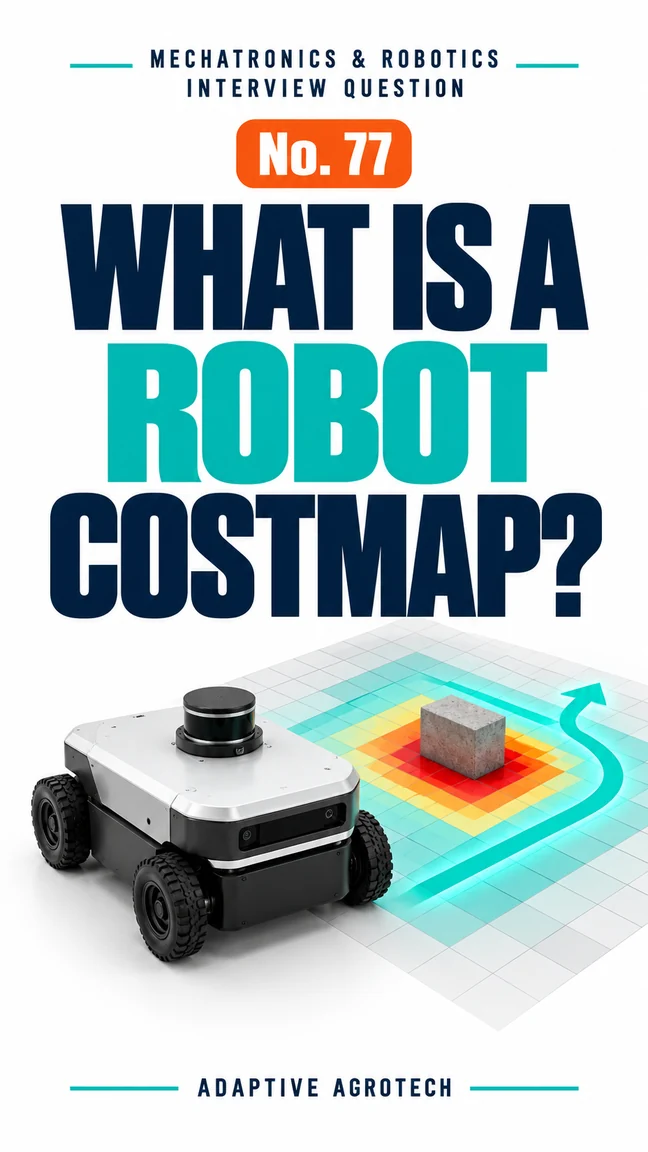
What is a Robot Costmap?

A costmap assigns travel costs that guide route choice and clearance. Obstacle inflation discourages paths near walls, while footprint geometry and fresh updates prevent point-based routes from hiding physical collisions.

Watch & explore
Motion planningNo. 078

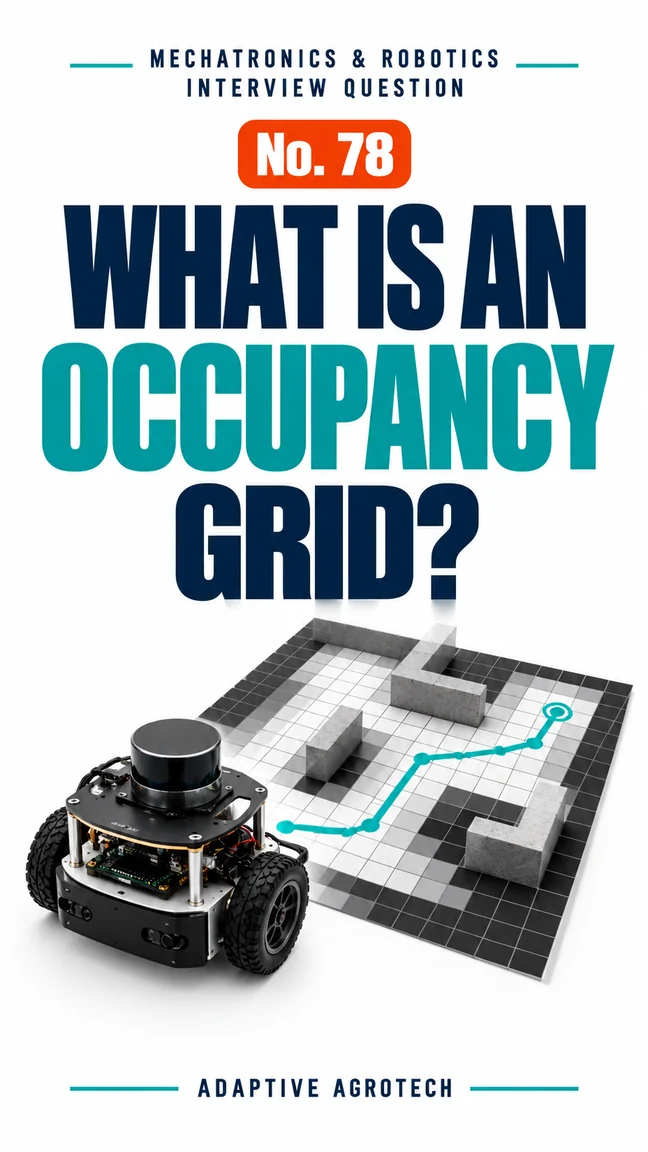
What is an Occupancy Grid?

An occupancy grid divides space into cells that express obstacle belief. Laser evidence updates free and occupied regions, while unknown cells require an explicit navigation policy instead of being treated as clear.

Watch & explore
Motion planningNo. 079

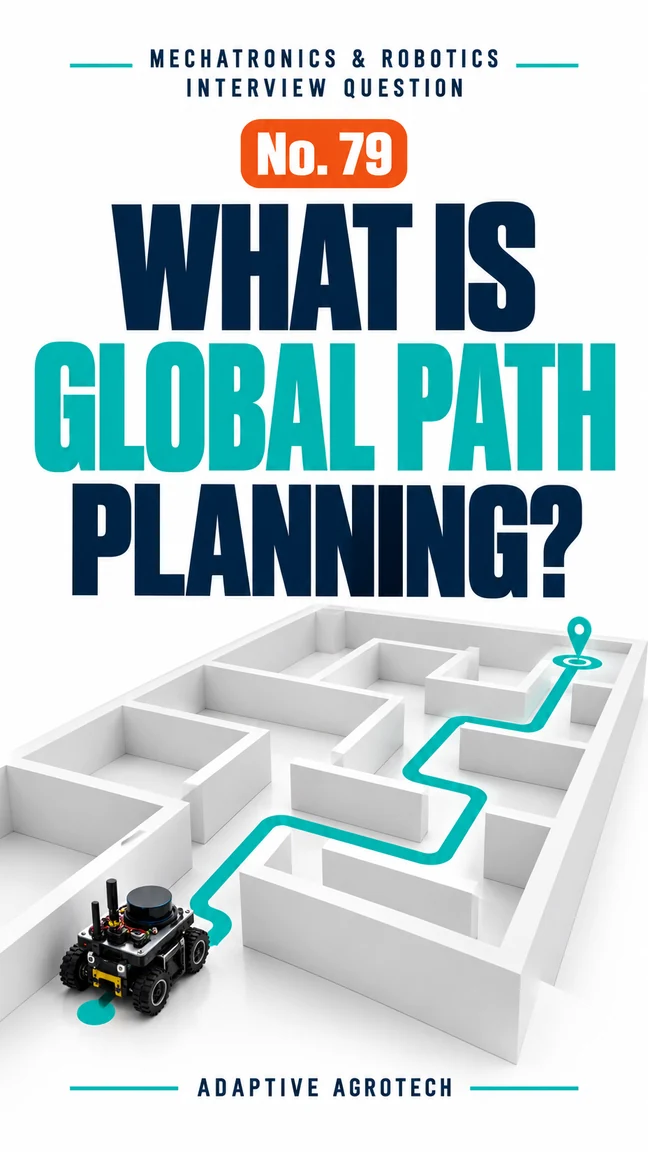
What is Global Path Planning?

Global planning uses a map and costs to connect the robot with a distant goal. The selected graph defines the preferred route, which still requires local motion control and replanning when conditions change.

Watch & explore
Motion planningNo. 081

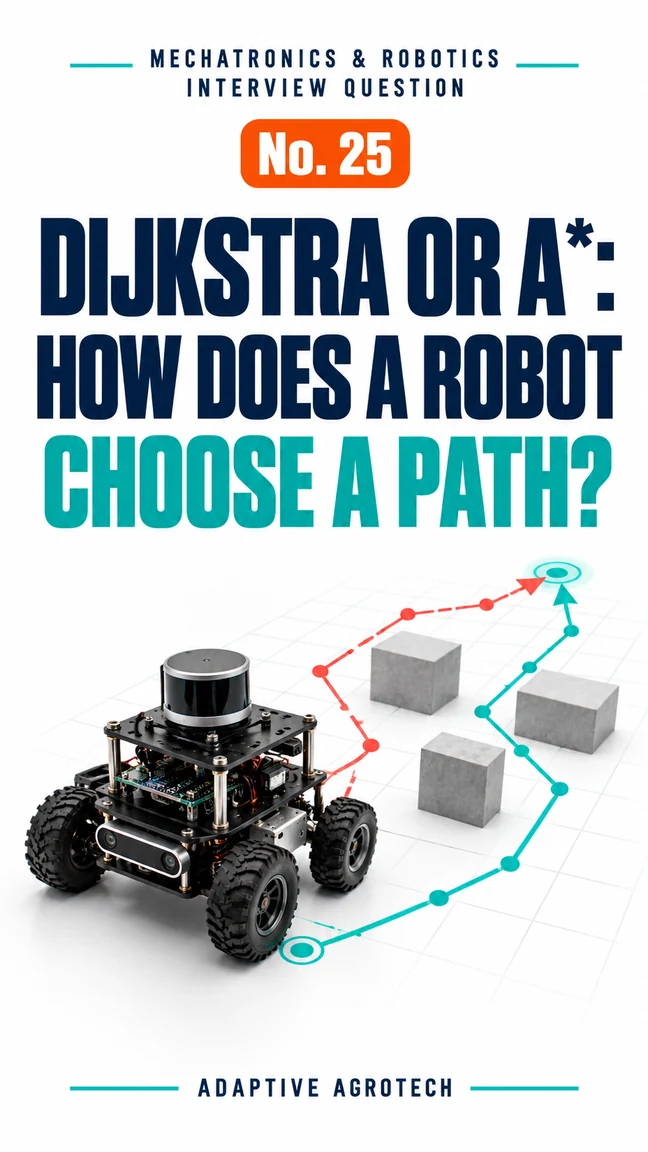
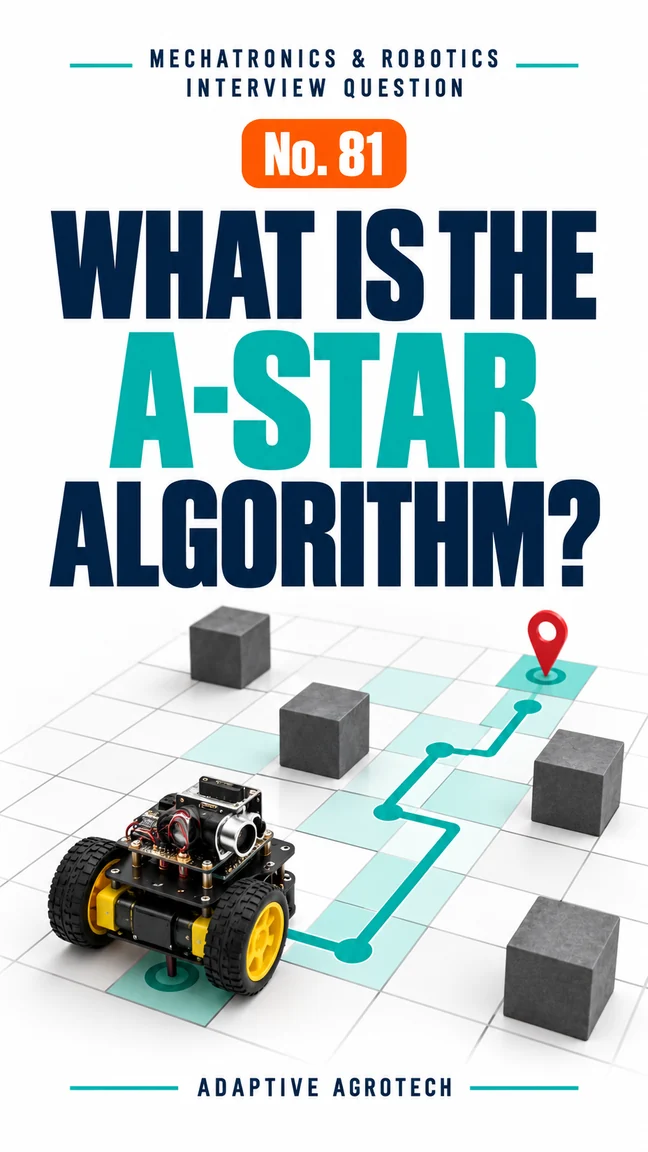
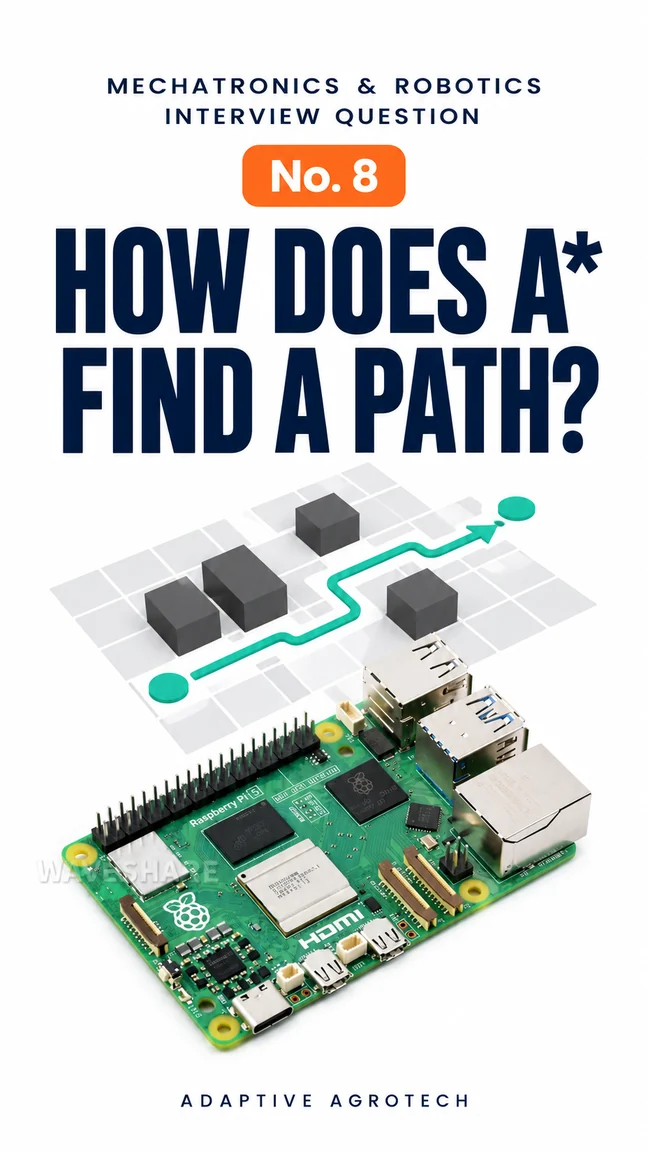
What is the A-Star Algorithm?

A* searches a graph by combining the cost already accumulated with an estimate of the remaining cost. Its heuristic focuses exploration, while optimality depends on the graph, edge costs, and heuristic properties.

Watch & explore
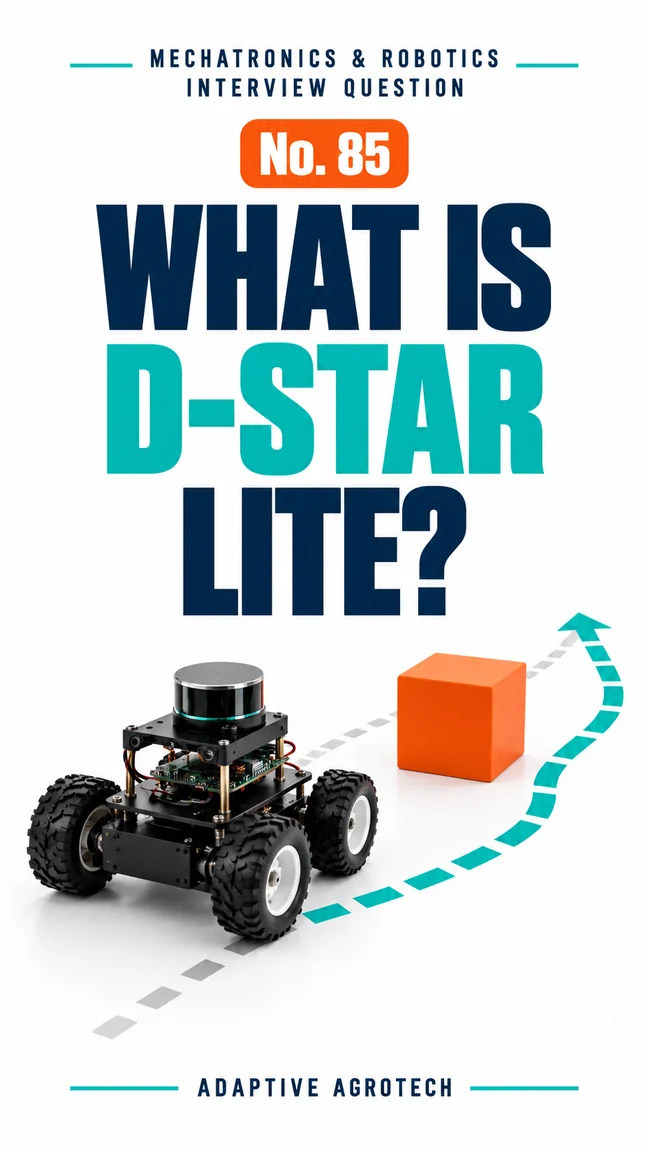
Motion planningNo. 085

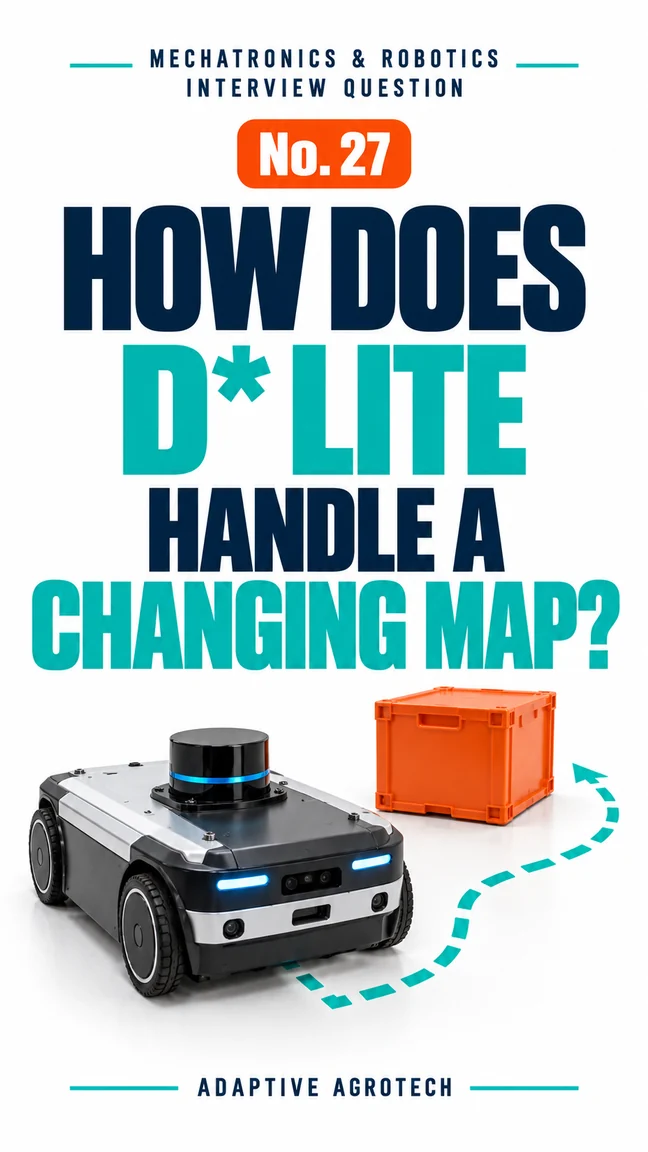
What is D-Star Lite?

D* Lite replans on a graph by reusing earlier search information when travel costs change. It repairs affected values and updates the route, while still relying on current sensing and appropriate motion control.

Watch & explore
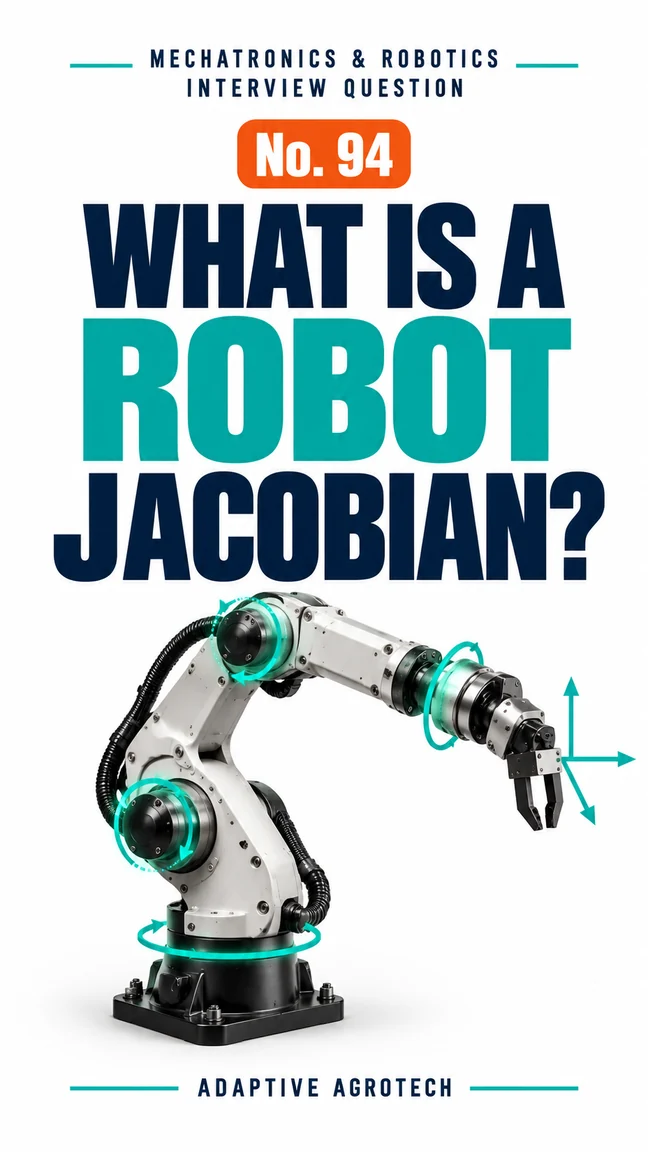
Robot kinematicsNo. 094

What is a Robot Jacobian?

The robot Jacobian maps joint rates to instantaneous tool velocity at a particular configuration. Its columns describe individual joint contributions, making it useful for local motion and force calculations rather than complete path planning.

Watch & explore
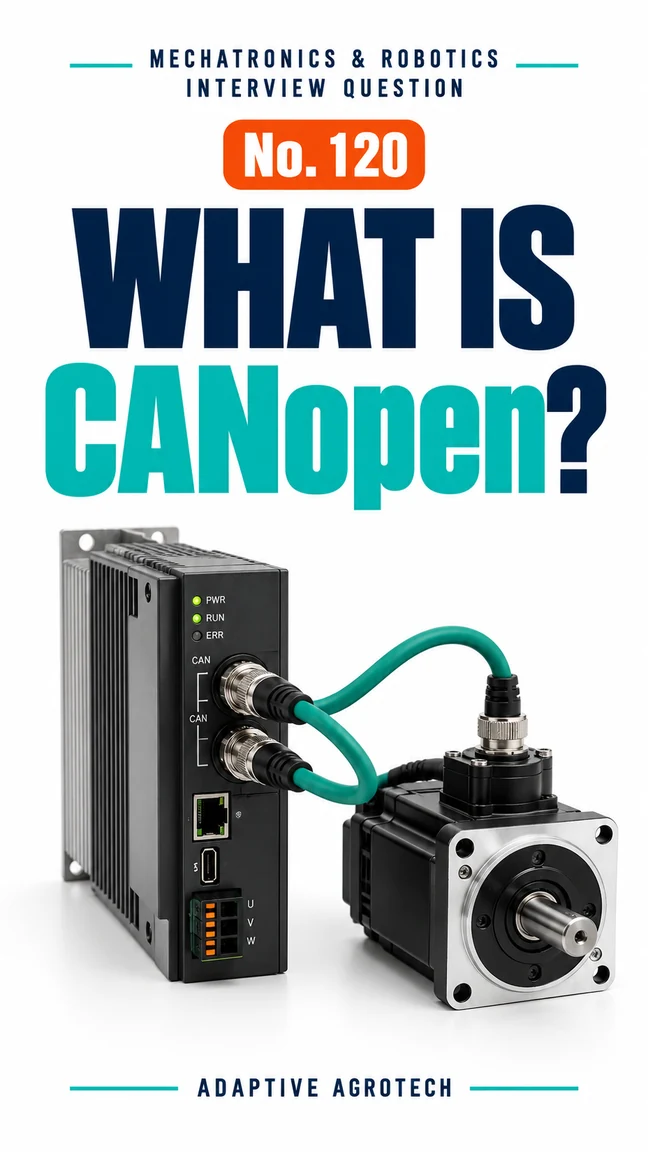
Communication & networksNo. 120

What is CANopen?

CANopen adds device profiles and communication meaning above CAN. Object dictionaries organize settings and process values, while SDO and PDO mechanisms support configuration and time critical exchange between compatible robot devices.

Watch & explore
Communication & networksNo. 123

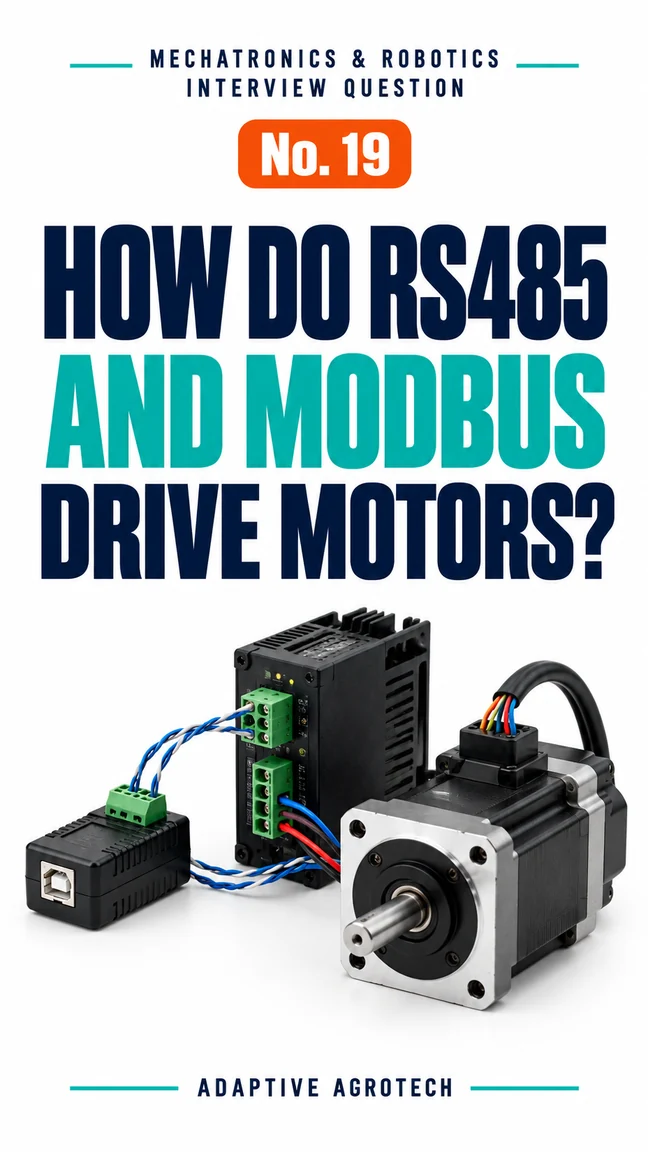
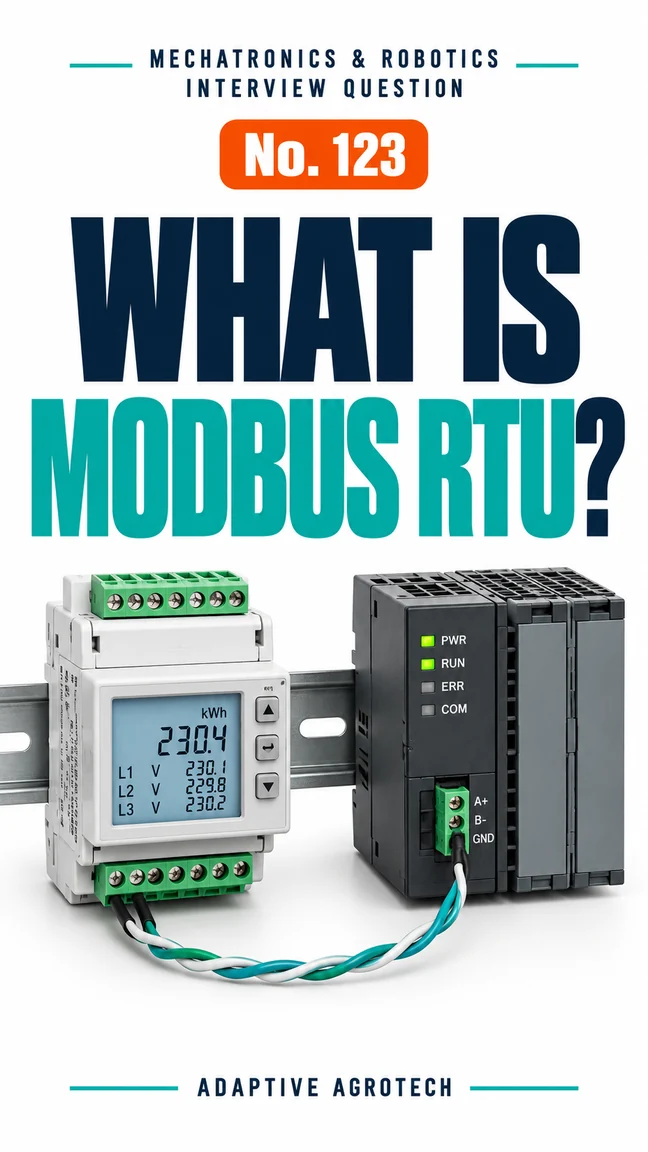
What is Modbus RTU?

Modbus RTU exchanges device data through addressed serial requests and checked frames. Timing helps delimit messages, while device-specific register maps determine units and interpretation; a successful write reply alone does not confirm motion.

Watch & explore