Skip to content
Adaptive AgroTech NetworkUniversity of Southern Denmark · SDU Drone Center
Robotics · Mechatronics · Intelligent systems

Short videos.
Lasting understanding.

Explore one engineering idea at a time. Watch a short lesson, read the key concepts and test your understanding before your next interview, project or class.

34 topics found

Video · Key ideas · Check your understanding

Robot kinematicsNo. 021

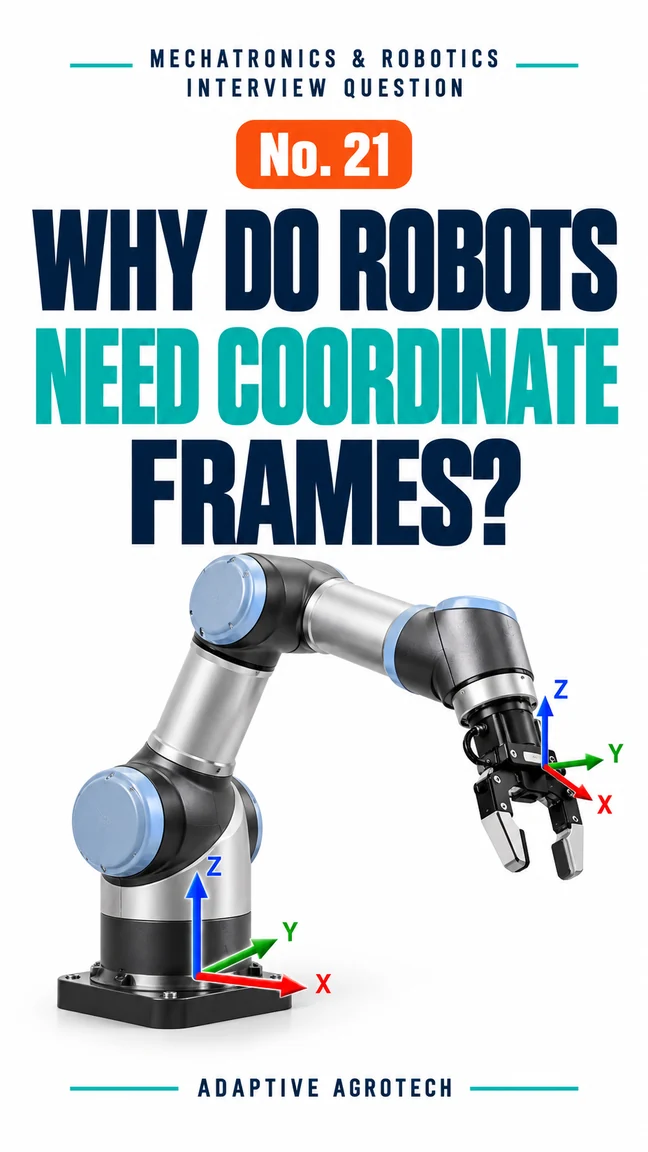
Why a Robot Needs Coordinate Frames

Coordinate frames describe the same physical point from different origins and axes. Rigid transforms connect sensor, robot, and map coordinates, and correct composition requires consistent directions, conventions, and measurement timestamps.

Watch & explore
Computer visionNo. 068

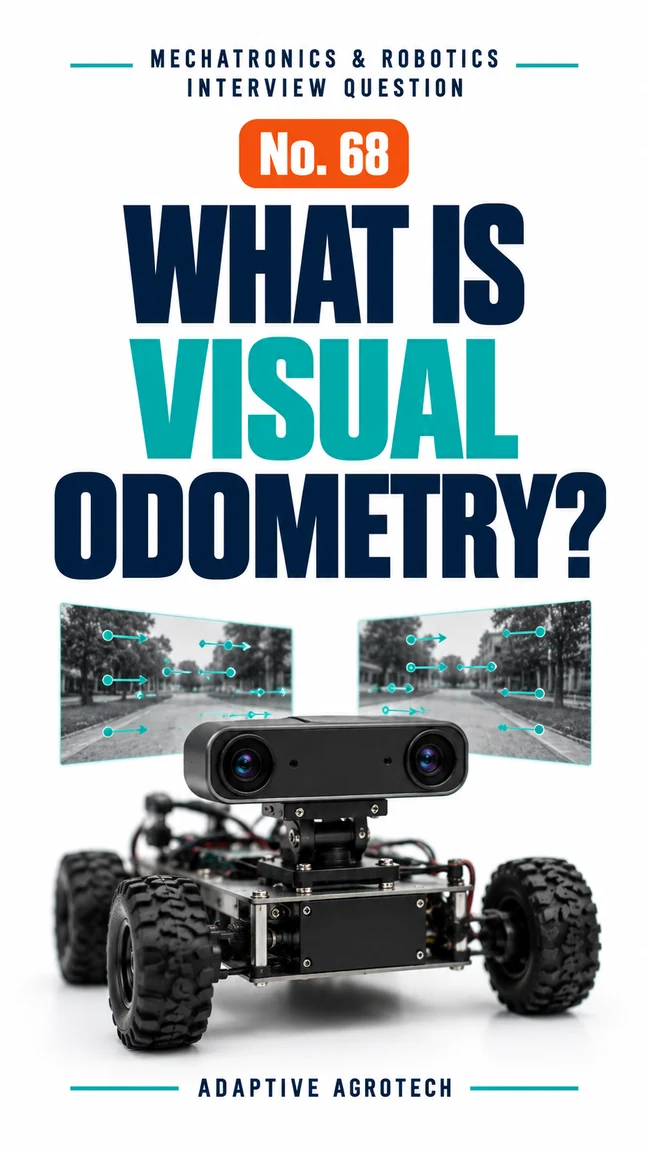
What is Visual Odometry?

Visual odometry estimates relative camera motion from image sequences. Feature or brightness changes constrain geometry, stereo provides metric depth, and monocular scale ambiguity and tracking failures limit its long-term position estimate.

Watch & explore
Localization & estimationNo. 069

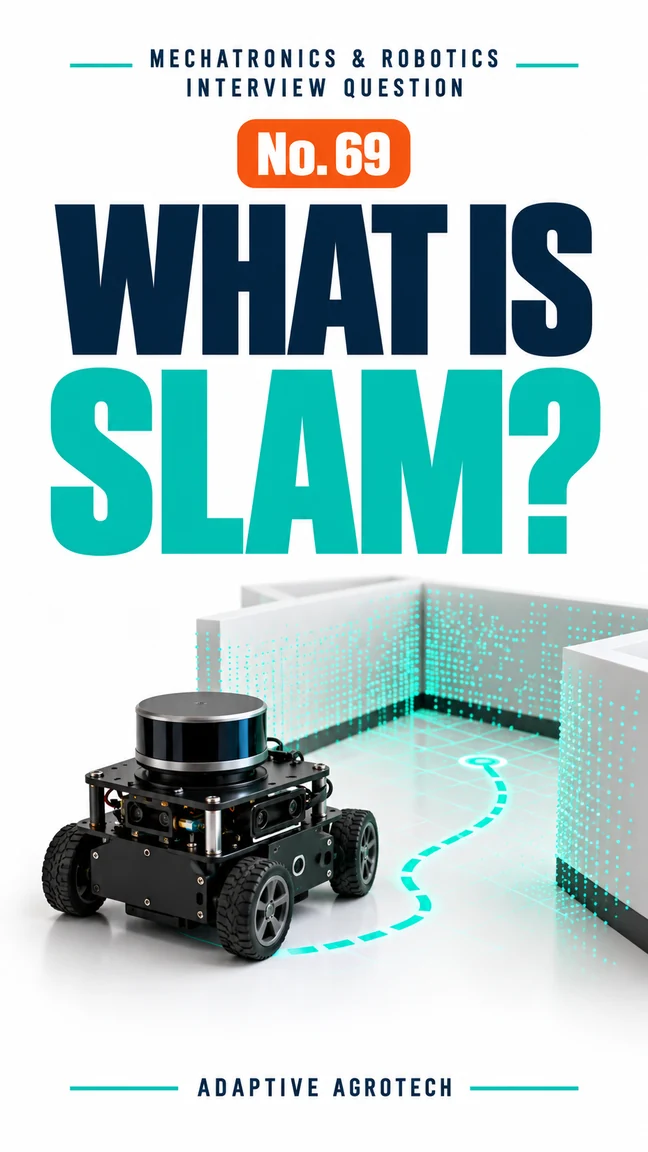
What is SLAM?

SLAM jointly estimates robot trajectory and an initially unknown map. Motion and sensor observations constrain the same model, while revisits can reduce drift and incorrect associations can damage both map and pose.

Watch & explore
Sensors & perceptionNo. 073

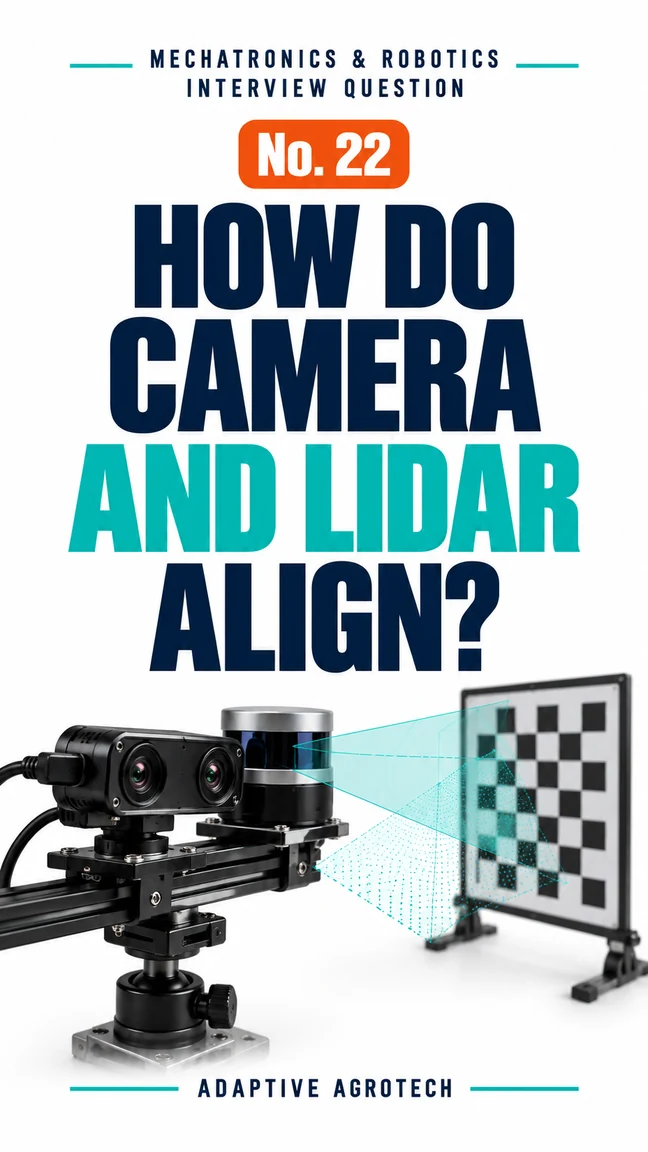
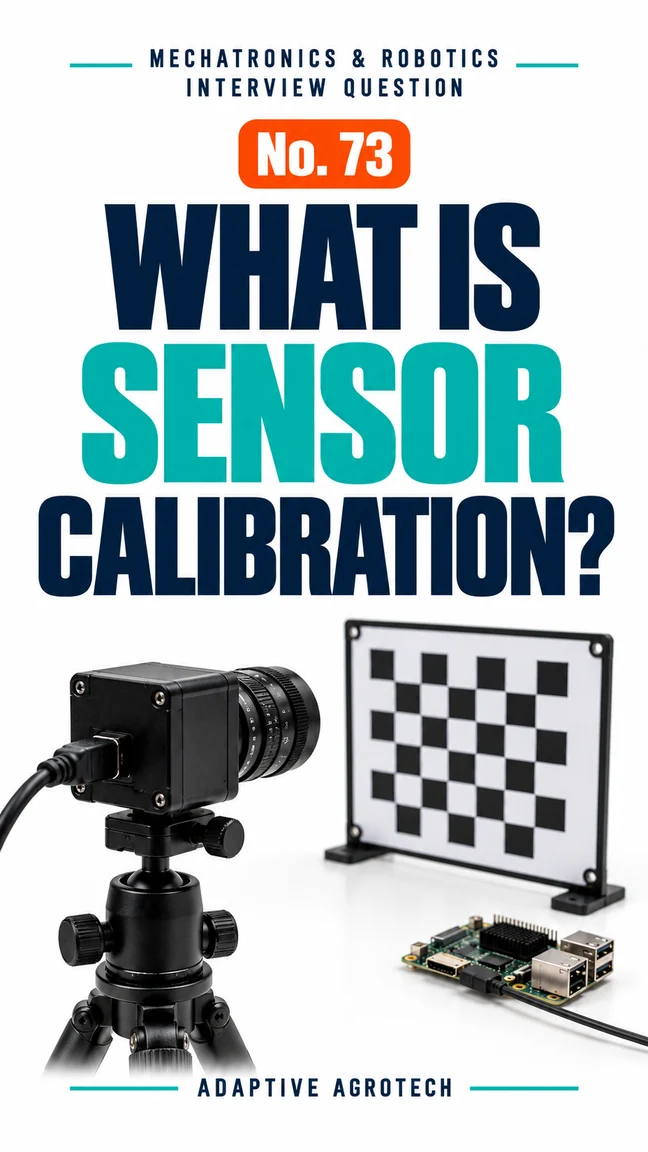
What is Sensor Calibration?

Sensor calibration estimates the parameters connecting readings to physical geometry. Known references constrain offsets, scales, distortion, and inter-sensor transforms, while independent validation and stable mounting determine whether the result remains useful.

Watch & explore
Communication & networksNo. 133

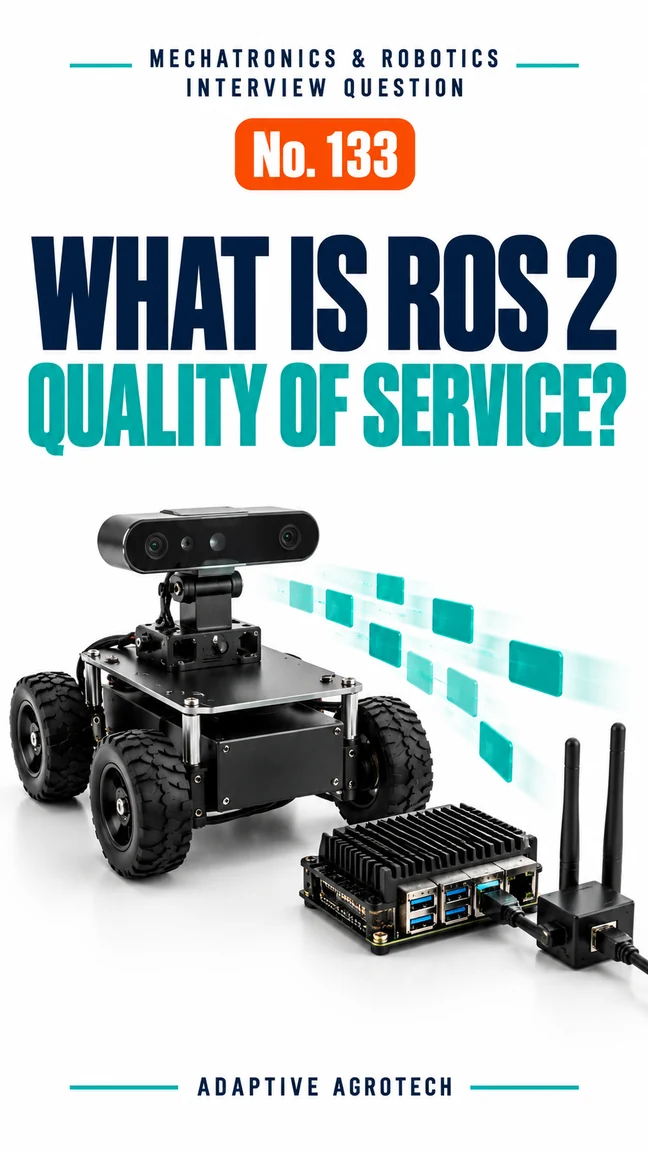
What is ROS 2 Quality of Service?

ROS 2 QoS policies govern reliability, retained history, durability, and timing. Publisher and subscriber policies must be compatible, and timely fresh data can matter more than retrying every old sample.

Watch & explore
Robot kinematicsNo. 137

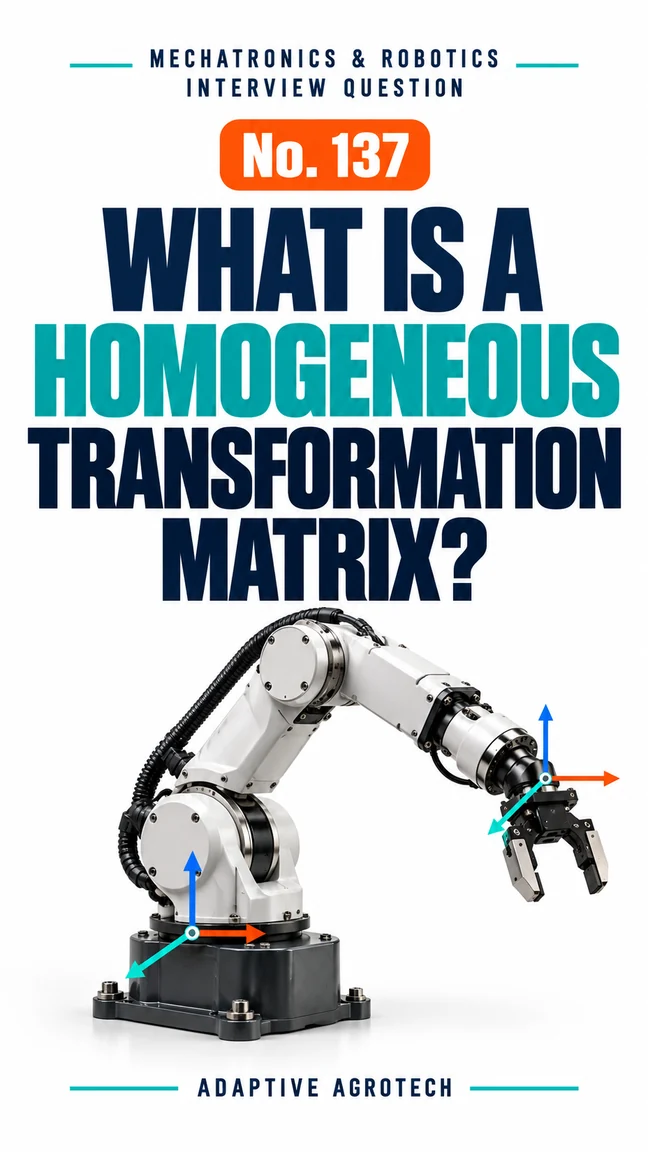
What Is a Homogeneous Transformation Matrix?

A homogeneous transformation combines rigid orientation and translation in one four by four matrix. It converts coordinates and composes frame relationships, with multiplication order and clear source and destination frame labels determining meaning.

Watch & explore
Robot kinematicsNo. 140

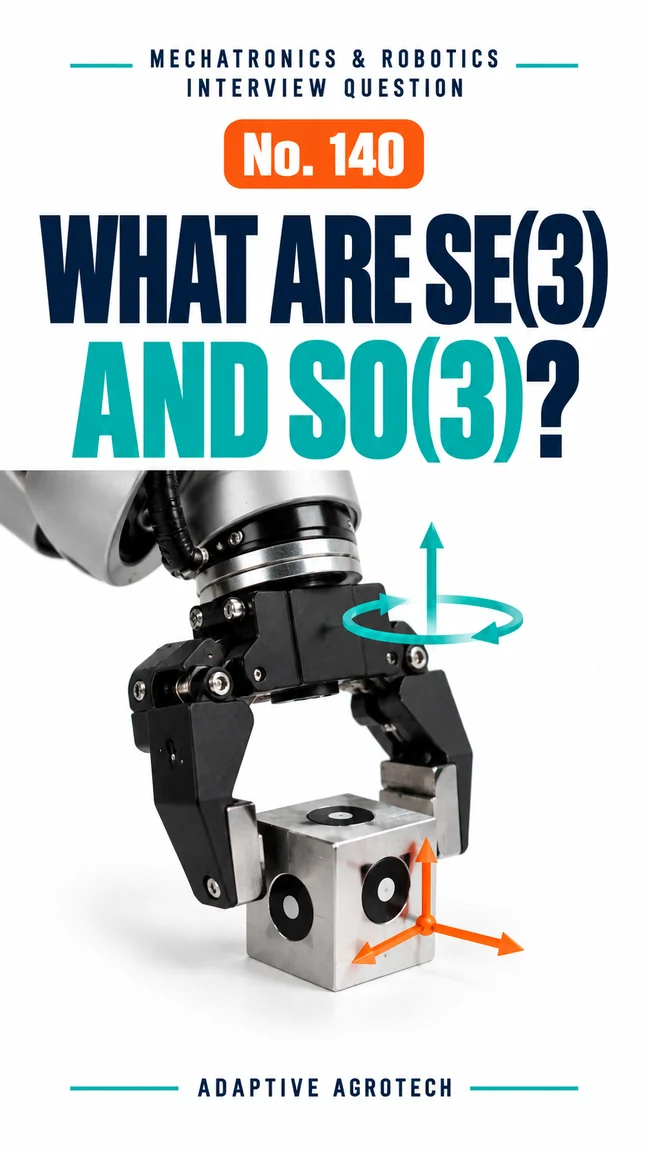
What Are SE(3) and SO(3) in Robotics?

SO(3) contains valid three dimensional rotations, while SE(3) contains rigid poses with rotation and translation. Their stored matrices obey constraints, excluding scaling, shear, and reflections despite containing more entries than independent degrees of freedom.

Watch & explore
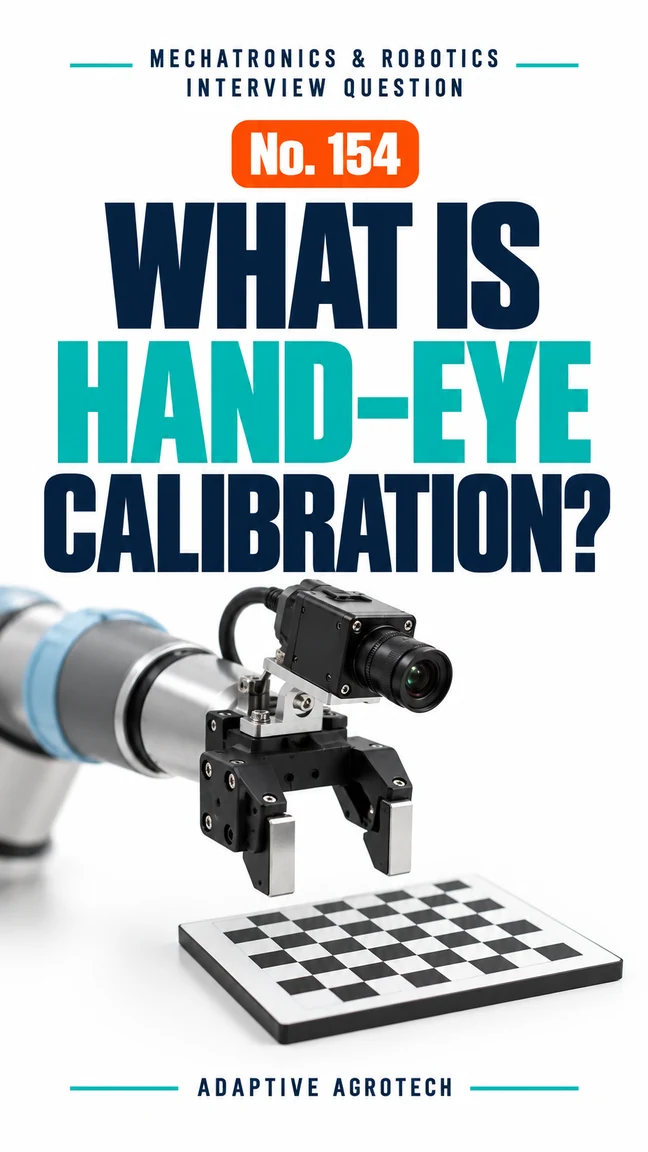
Robot kinematicsNo. 154

What Is Hand–Eye Calibration?

Hand–eye calibration estimates a fixed rigid relationship between camera and robot frames. Eye-in-hand observations across diverse robot poses constrain that transform, while synchronized measurements and validation on unused poses determine practical calibration quality.

Watch & explore
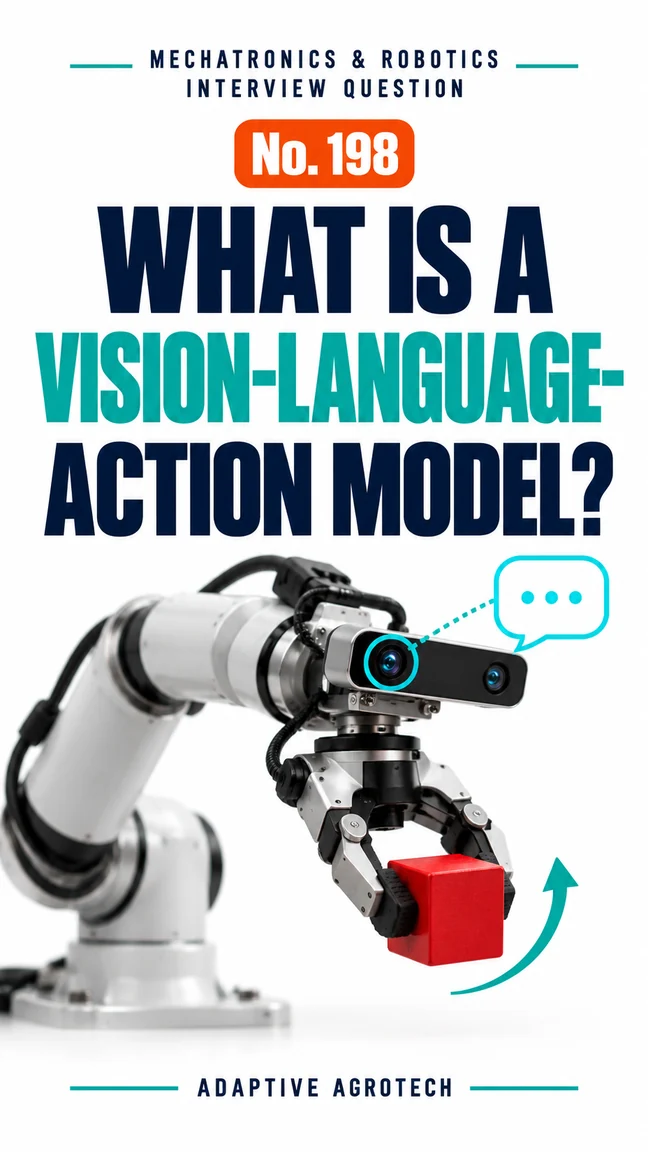
AI & machine learningNo. 198

What Is a Vision-Language-Action Model?

A vision language action model connects visual observations and language instructions to robot actions. It may also use joint positions or other robot state. Its output describes movements, rather than only a written answer.

Watch & explore
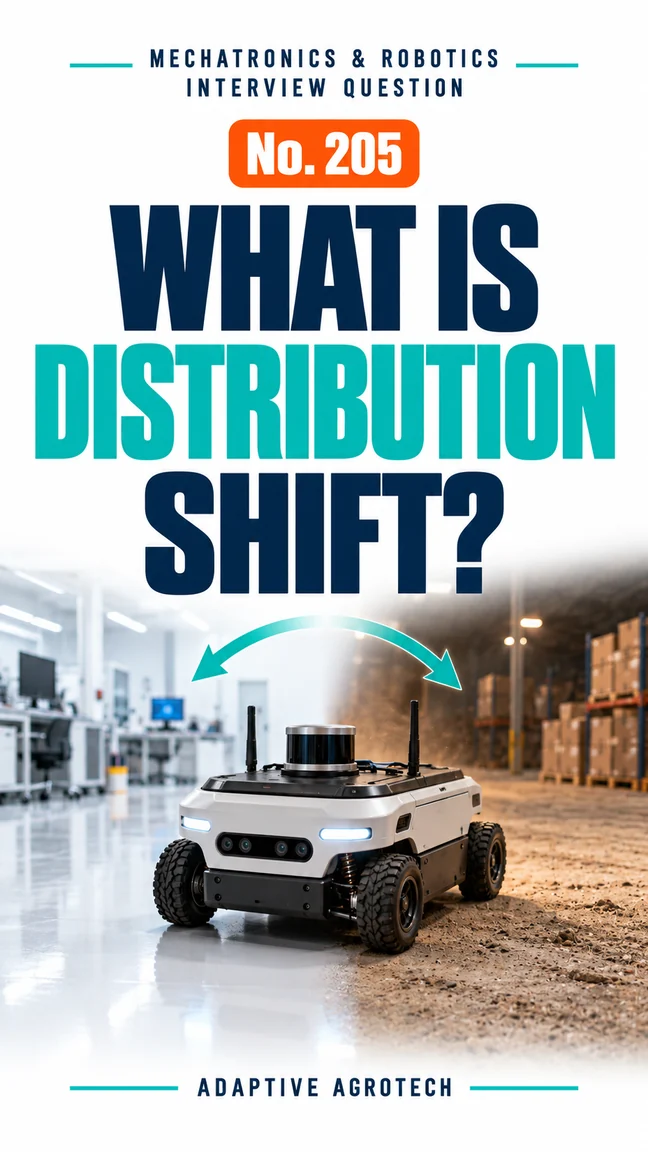
AI & machine learningNo. 205

What Is Distribution Shift in Robot AI?

Distribution shift means the data encountered during deployment differ statistically from the training data. A robot vision model trained in one workspace may face new lighting, backgrounds, object appearances, or camera positions after installation.

Watch & explore
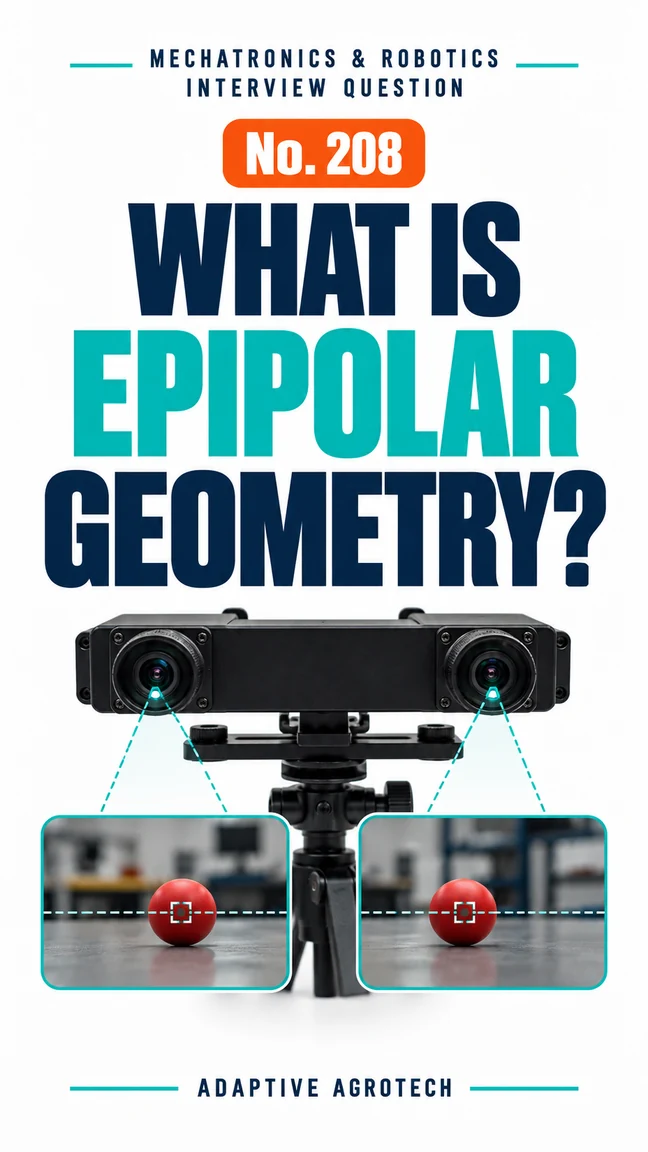
Computer visionNo. 208

What Is Epipolar Geometry?

Epipolar geometry relates two views of the same three dimensional scene. Given a point in one image, its matching point in the other image lies on an epipolar line, when the camera geometry and correspondence assumptions hold.

Watch & explore
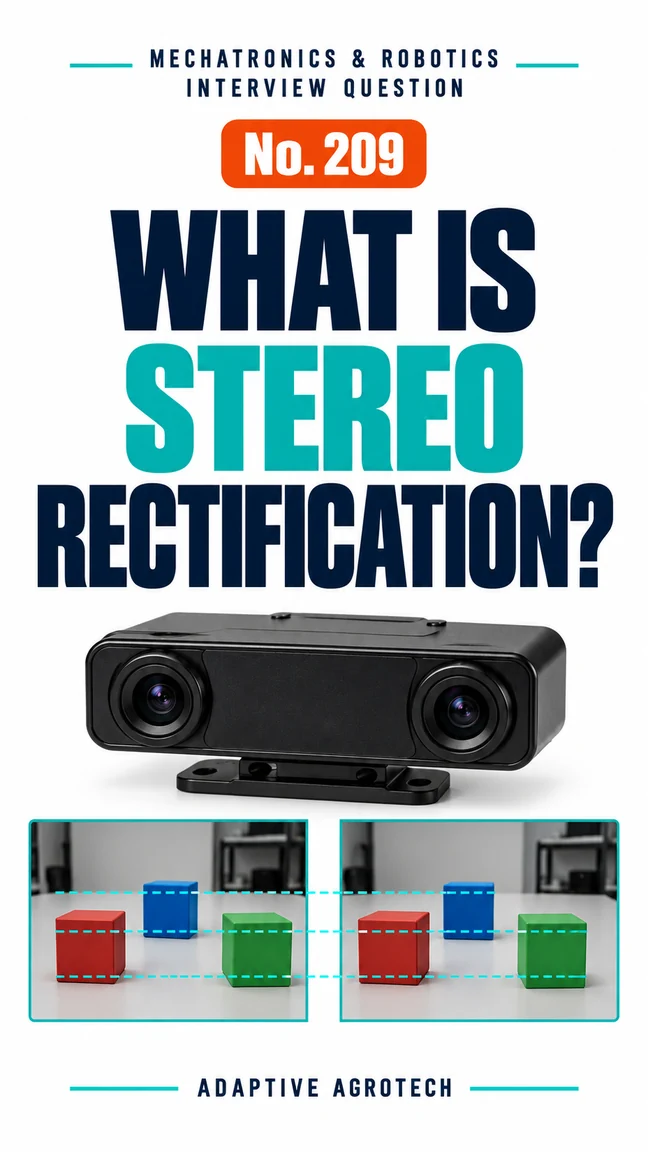
Computer visionNo. 209

What Is Stereo Rectification?

Stereo rectification warps a stereo image pair so corresponding epipolar lines become aligned. For a common horizontal stereo arrangement, matching points appear on the same image row. The rectified camera models describe this new geometry.

Watch & explore
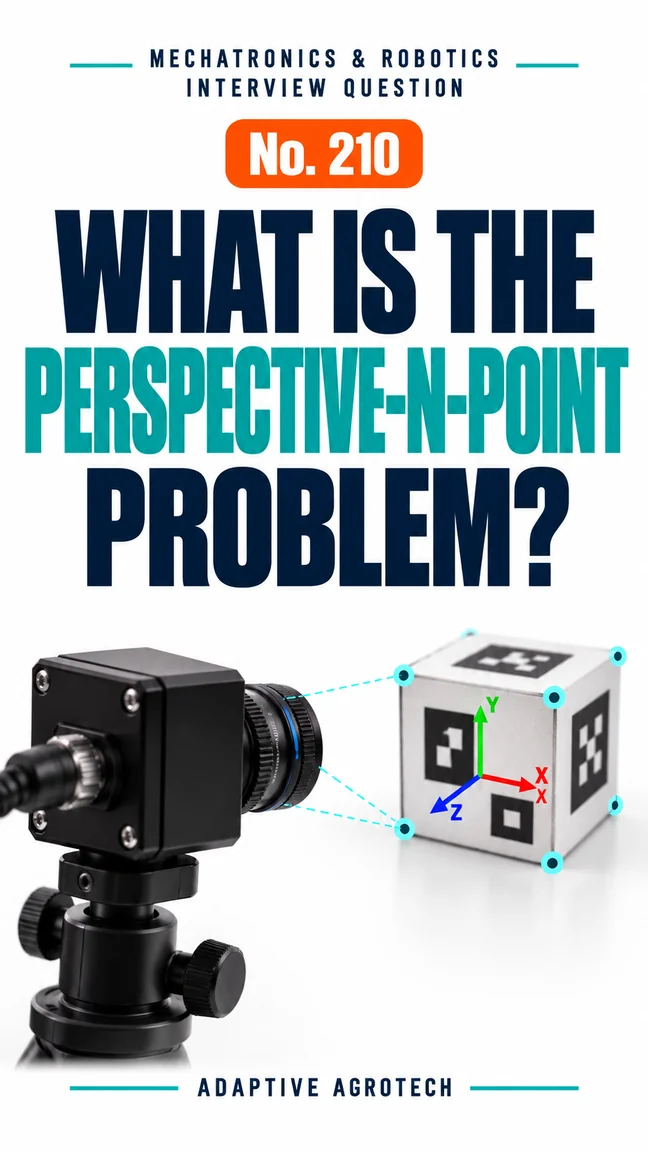
Computer visionNo. 210

What Is the Perspective-n-Point Problem?

Perspective n point estimates a camera relative pose from known three dimensional points and their corresponding two dimensional image locations. The camera intrinsics are also inputs. The unknowns are the rotation and translation relating the coordinate frames.

Watch & explore
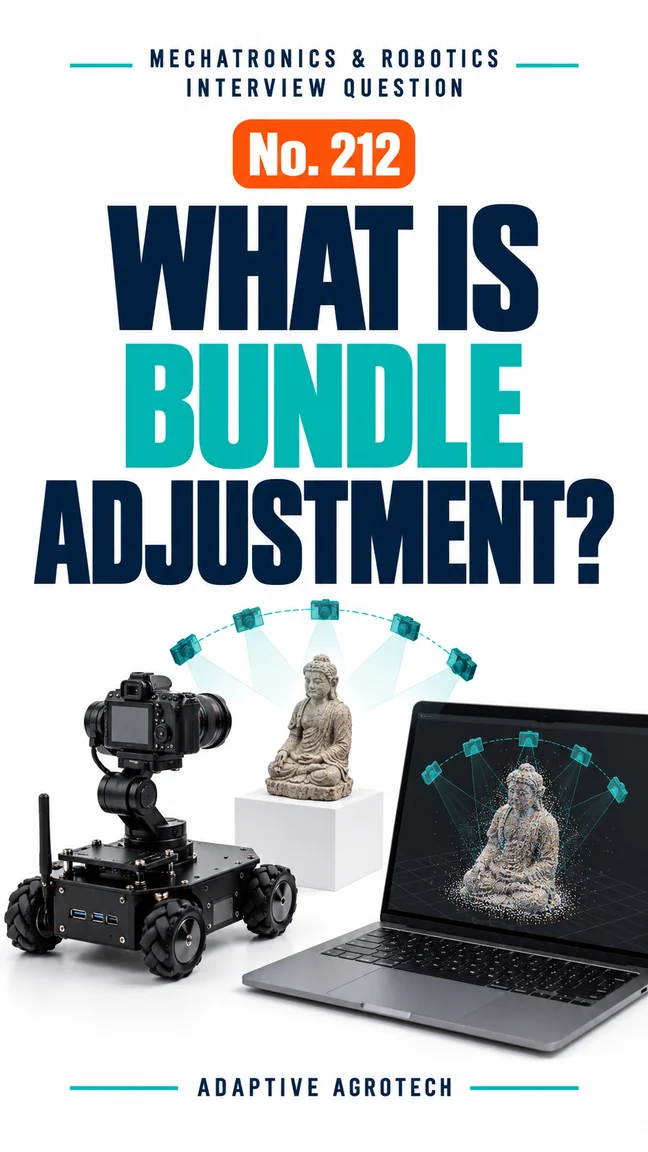
Computer visionNo. 212

What Is Bundle Adjustment?

Bundle adjustment jointly refines camera poses and three dimensional scene points using their image observations. It minimizes a reprojection objective across views. This couples the estimated camera motion with the geometry of the reconstructed scene.

Watch & explore
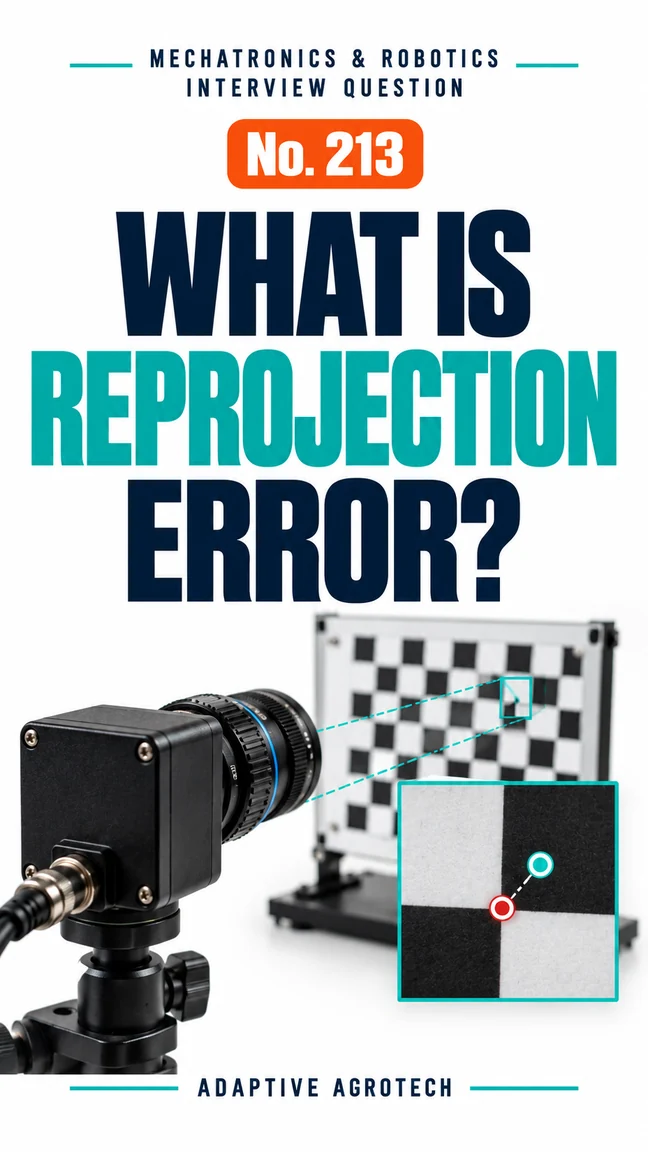
Computer visionNo. 213

What Is Reprojection Error?

Reprojection error measures the difference between an observed image point and the pixel predicted by a camera model and estimated geometry. It is an image space residual, usually reported in pixels, rather than a direct distance error in meters.

Watch & explore
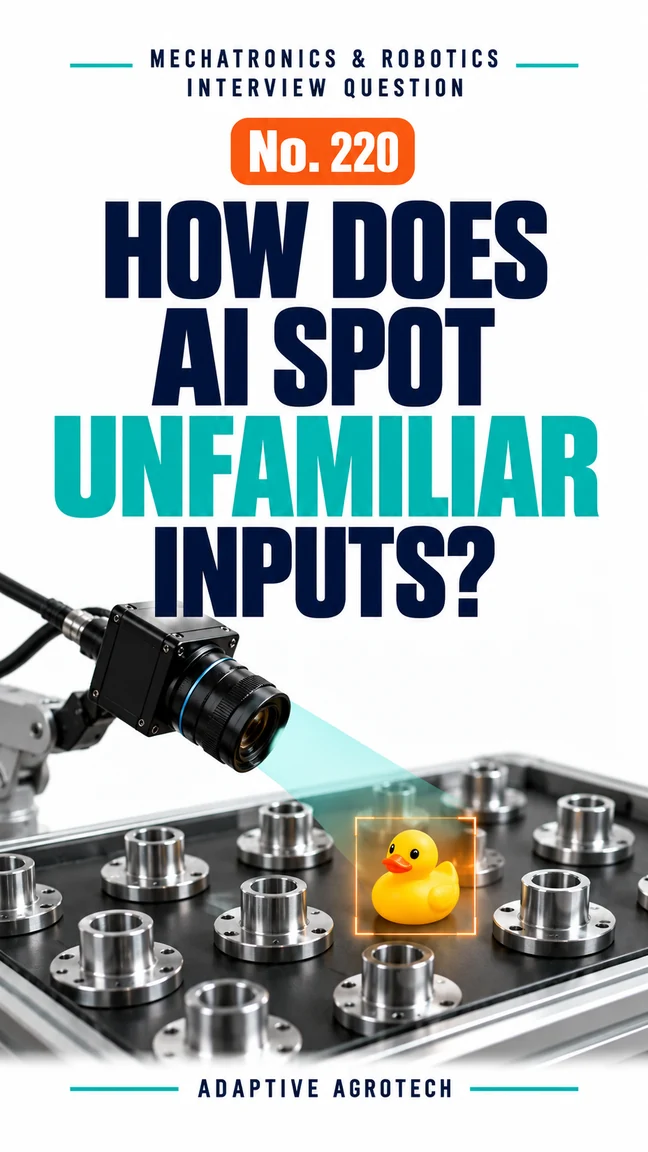
Computer visionNo. 220

What Is Out-of-Distribution Detection?

Out of distribution detection tries to recognize inputs that differ from the model training distribution. This is a detection task alongside prediction. The robot may need to identify an unfamiliar situation even when its classifier produces a confident label.

Watch & explore