Skip to content
Adaptive AgroTech NetworkUniversity of Southern Denmark · SDU Drone Center
Robotics · Mechatronics · Intelligent systems

Short videos.
Lasting understanding.

Explore one engineering idea at a time. Watch a short lesson, read the key concepts and test your understanding before your next interview, project or class.

18 topics found

Video · Key ideas · Check your understanding

Localization & estimationNo. 031

The Kalman Filter: Predict, Measure, Correct

A Kalman filter recursively predicts hidden state and uncertainty, then corrects them with measurements. Innovation and relative variances determine correction strength, while valid linear Gaussian assumptions underpin the stated estimation guarantee.

Watch & explore
Control systemsNo. 051

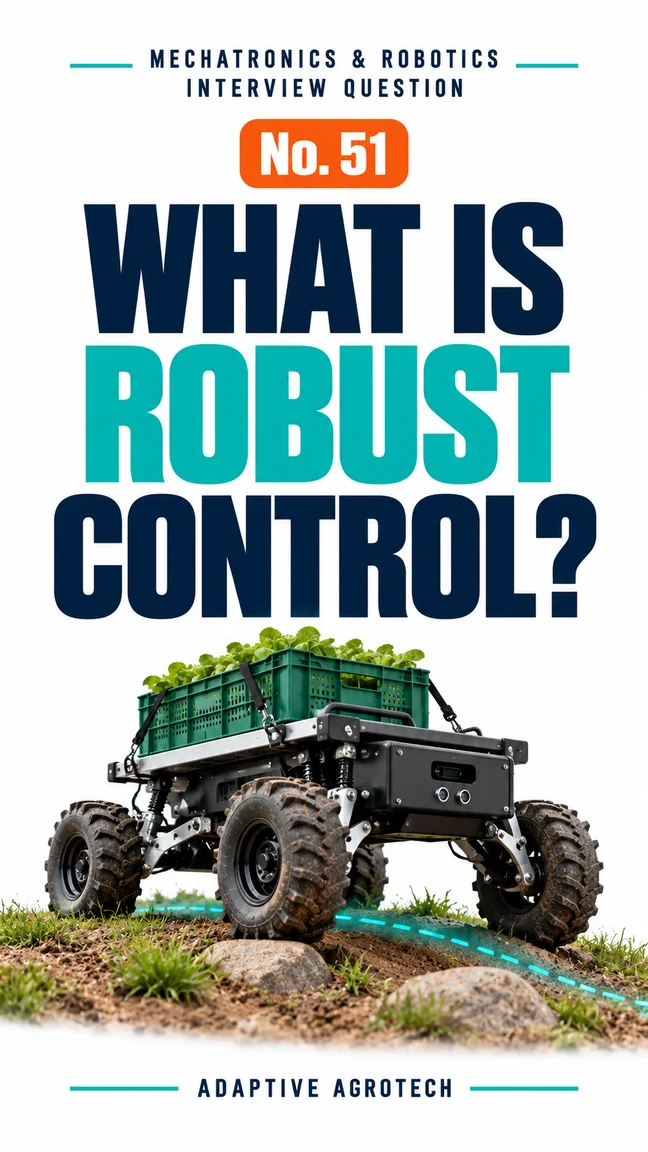
What is Robust Control?

Robust control includes a specified uncertainty set in its design and checks performance across a family of plants. Any guarantee remains limited to that set rather than covering all possible hardware differences.

Watch & explore
Localization & estimationNo. 057

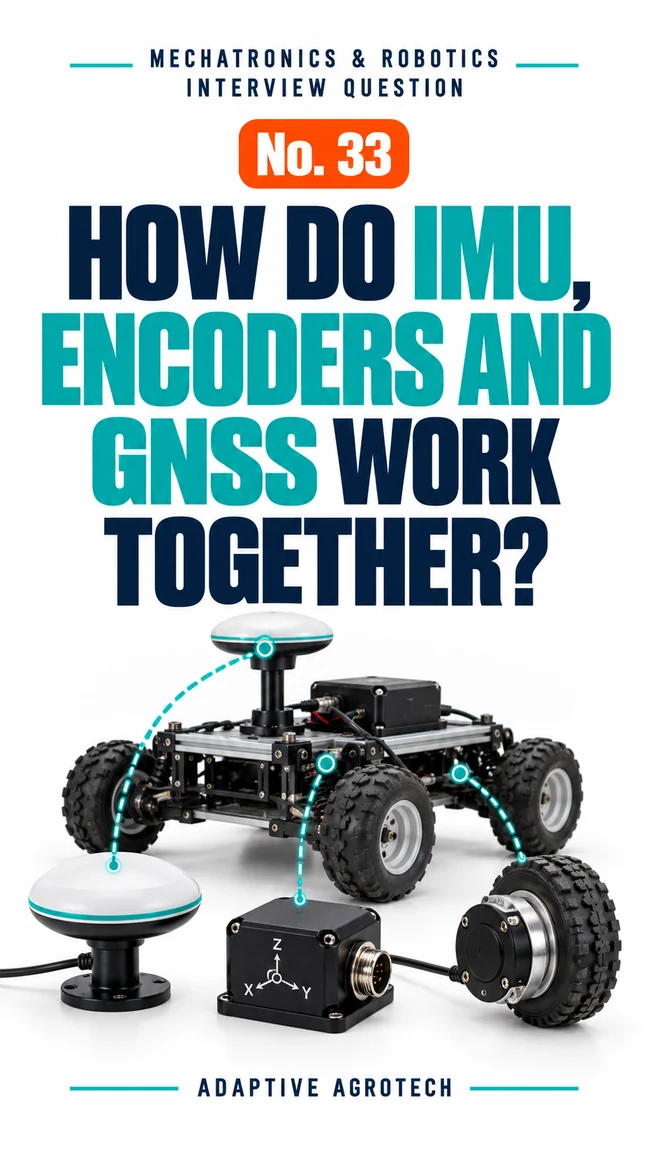
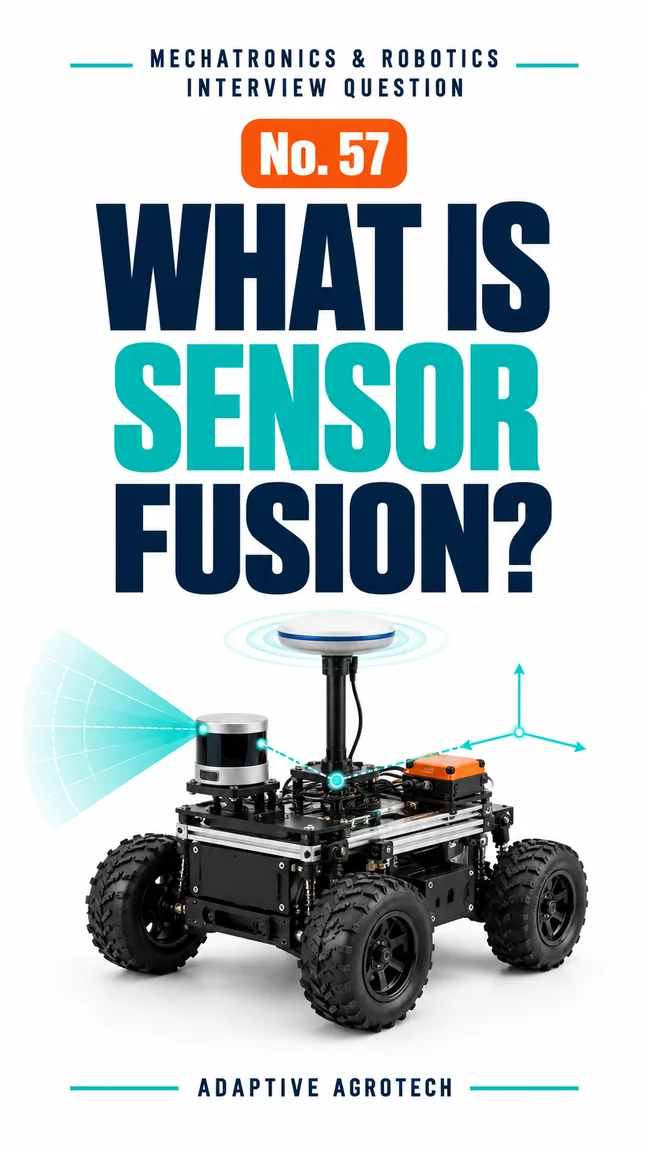
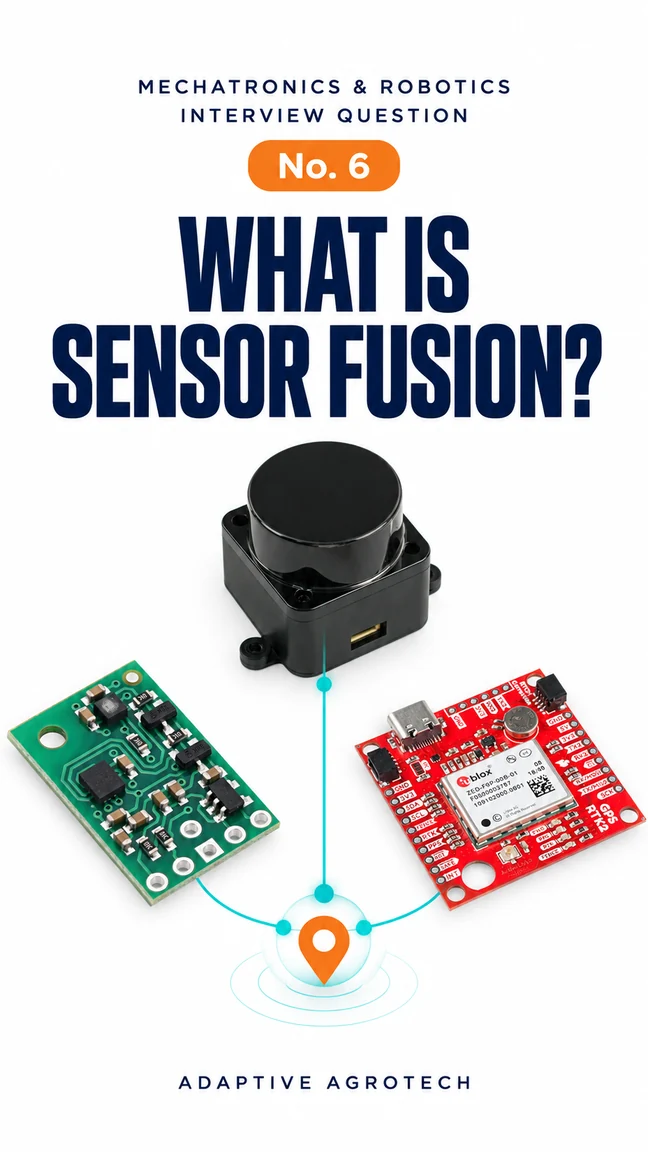
What is Sensor Fusion?

Sensor fusion estimates one shared state from complementary measurements. Fast wheel and gyro updates bridge position fixes, while sound timing, frames, uncertainty, and correlation handling prevent misleading confidence in the fused result.

Watch & explore
Localization & estimationNo. 058

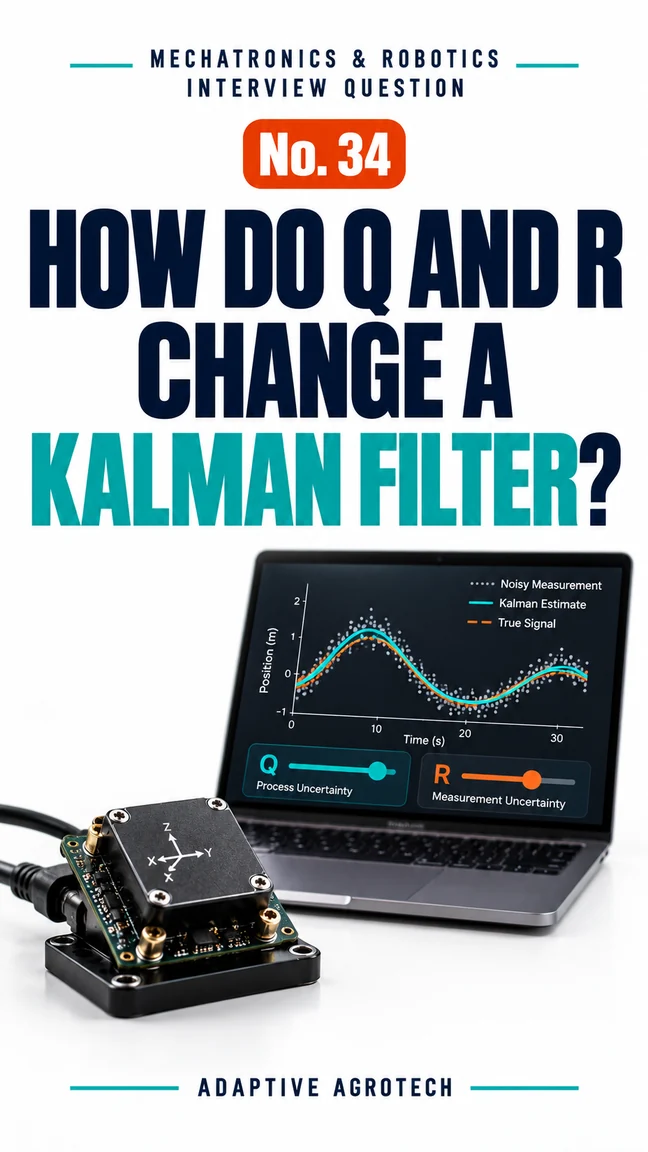
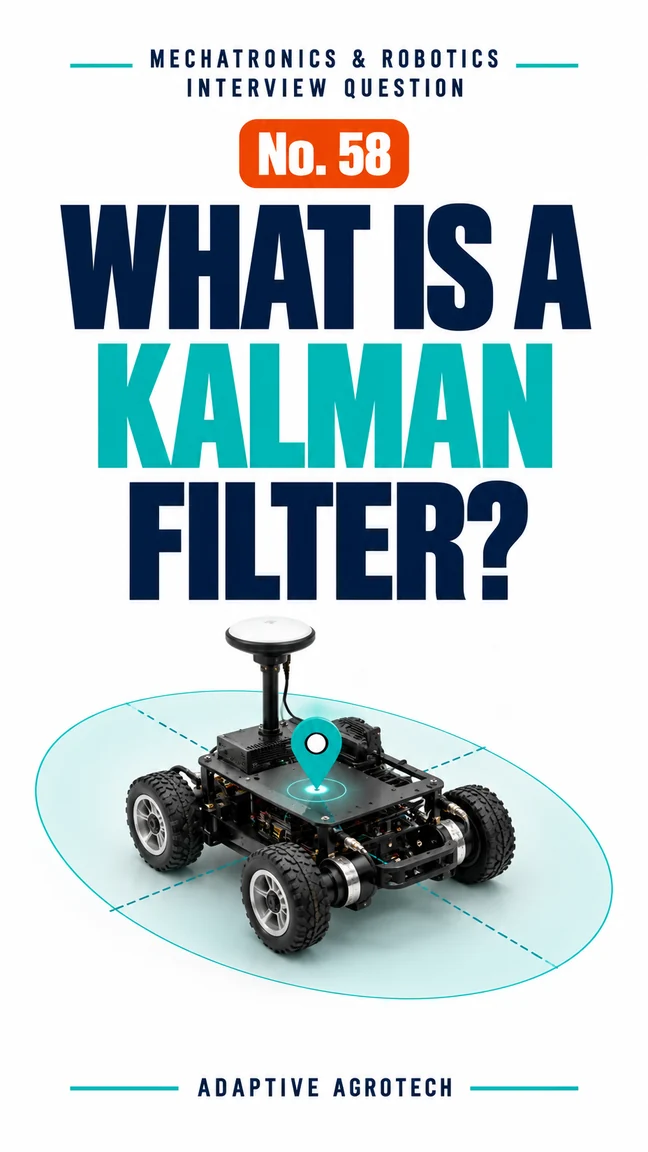
What is a Kalman Filter?

A Kalman filter predicts state and uncertainty, then applies an uncertainty-based measurement correction. Its numerical precision depends on valid noise and motion models rather than ensuring that the physical estimate is accurate.

Watch & explore
Localization & estimationNo. 059

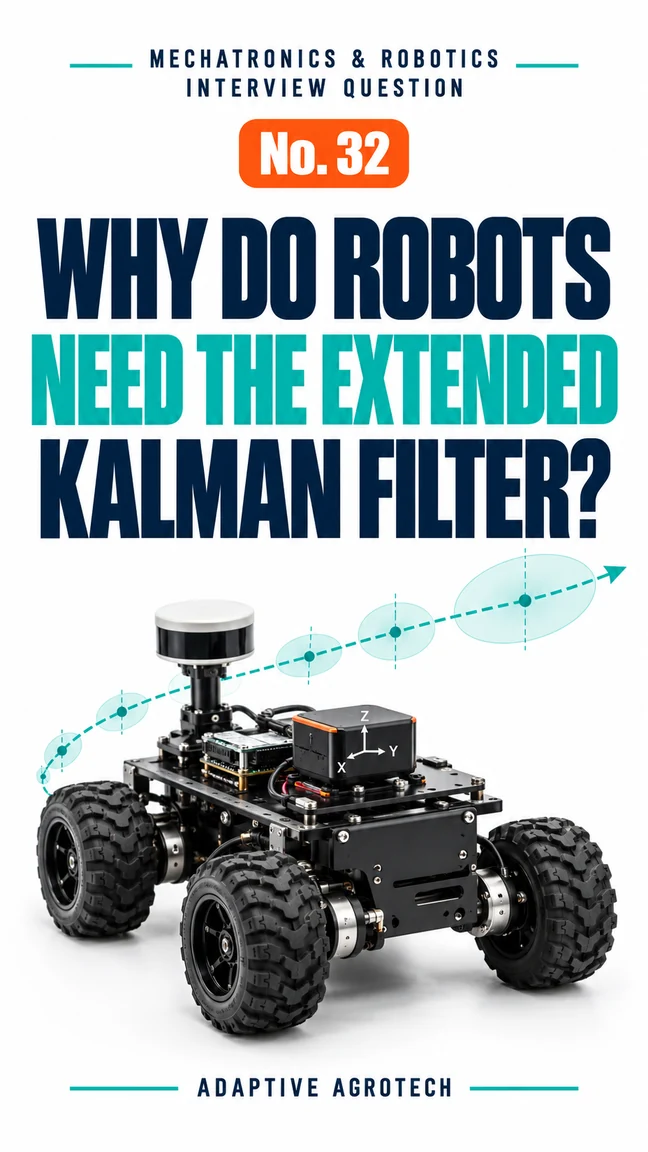
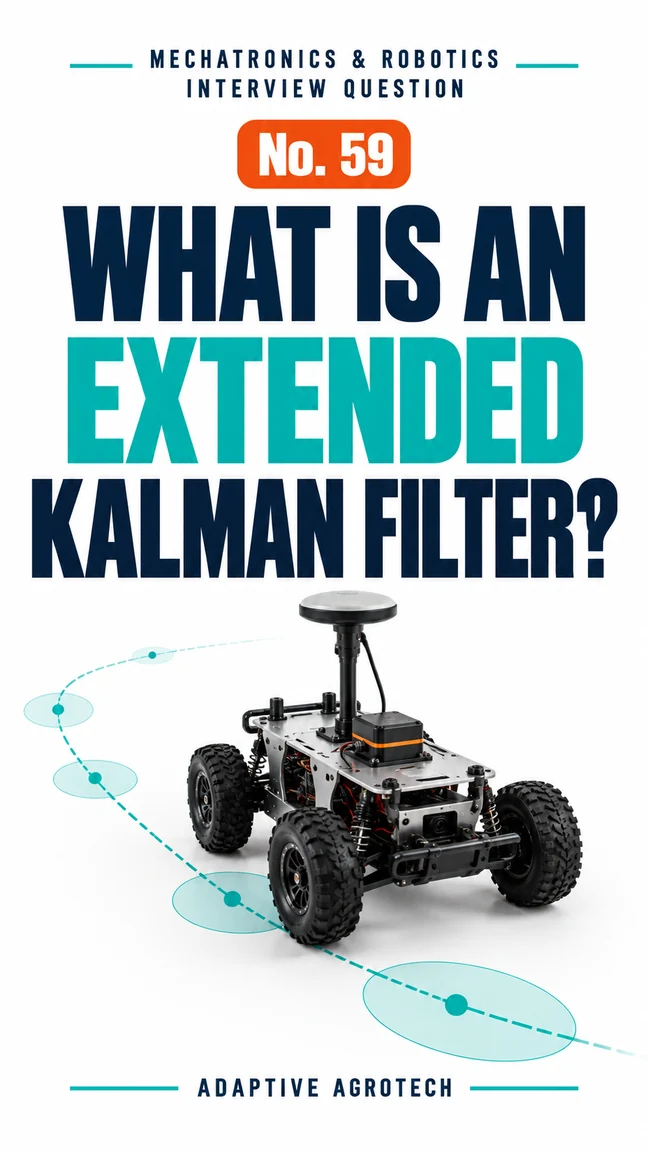
What is an Extended Kalman Filter?

The EKF uses nonlinear models for state prediction and Jacobians for local uncertainty handling. Heading-dependent robot motion is a typical application, with initialization and residual checks exposing failures of the local approximation.

Watch & explore
Localization & estimationNo. 064

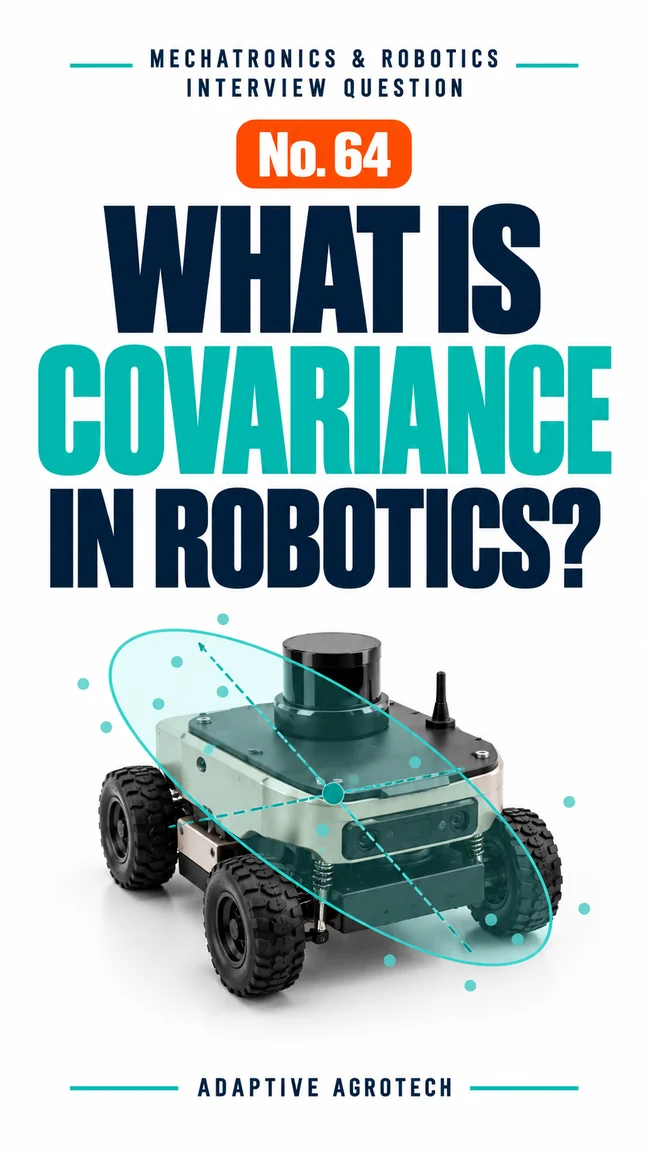
What is Covariance in Robot Estimation?

Covariance describes uncertainty magnitude and coupled estimation errors. Ellipse shape makes those relationships visible, while compatible frames, correct units, and credible values are essential before covariance is used to weight fusion.

Watch & explore
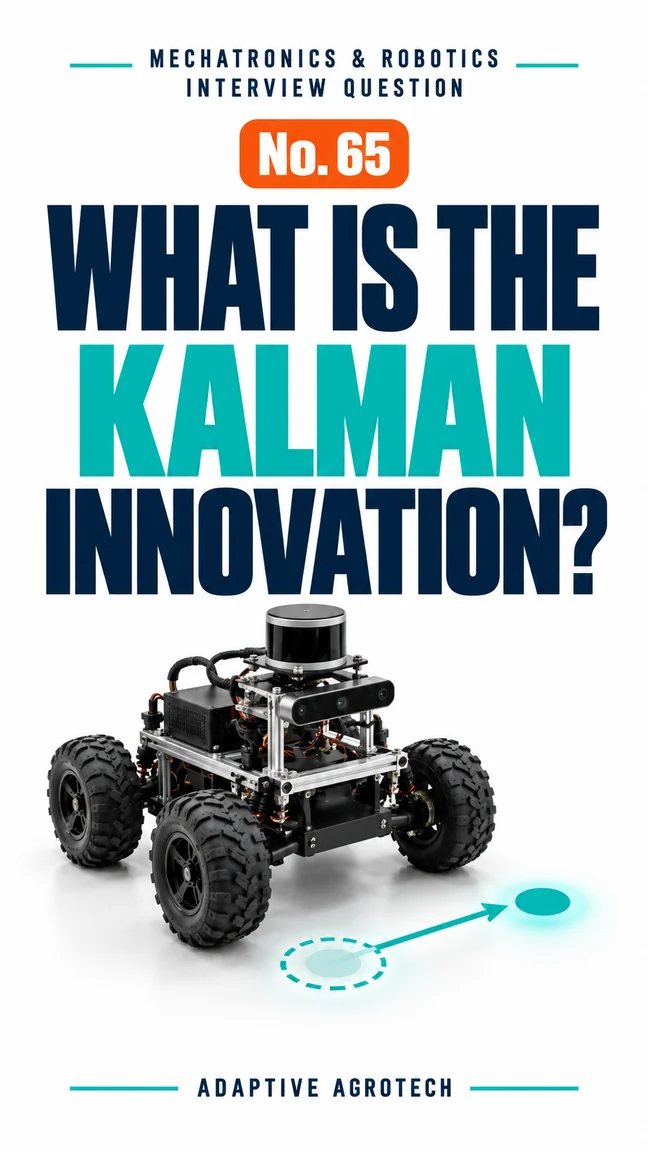
Localization & estimationNo. 065

What is the Kalman Innovation?

Kalman innovation is the difference between an actual reading and its prediction. Interpreting it against expected uncertainty helps reveal timing, calibration, and model problems that smooth output alone can conceal.

Watch & explore
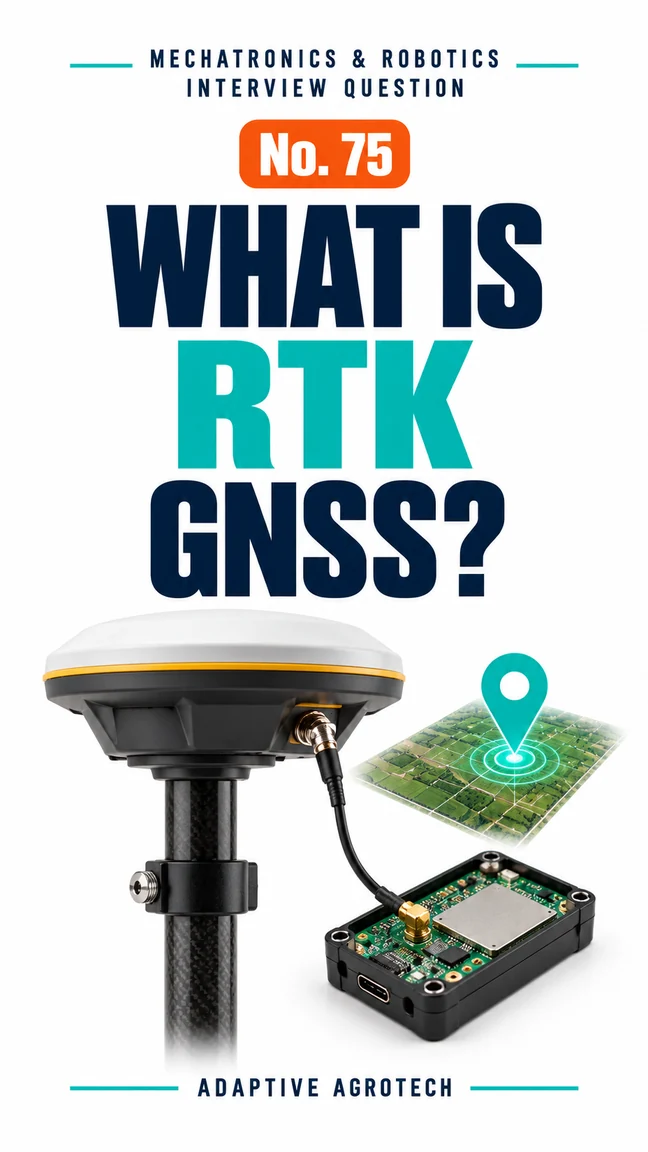
Localization & estimationNo. 075

What is RTK GNSS?

RTK GNSS combines carrier-phase measurements with reference corrections for precise positioning. Resolving whole-cycle ambiguity supports centimetre-level fixed solutions under good conditions, while integrity checks remain necessary during actual robot motion.

Watch & explore
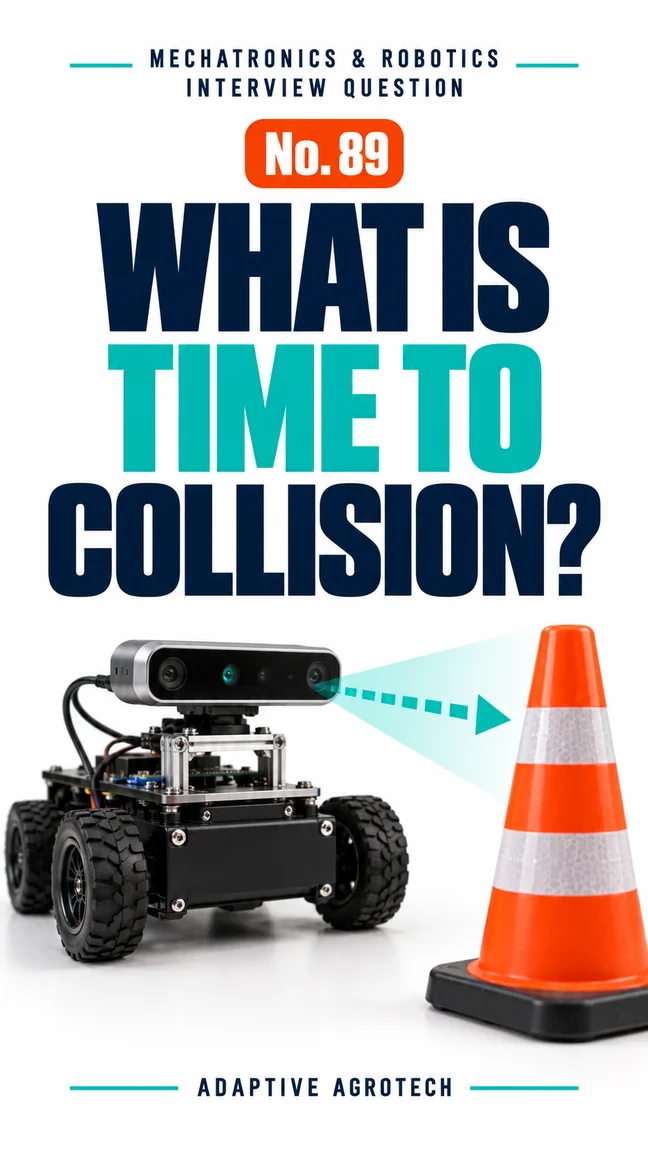
Motion planningNo. 089

What is Time to Collision?

Time to collision predicts the time remaining before contact under an assumed motion model. Straight closing motion permits clearance divided by closing speed, while crossing trajectories require geometry and uncertainty to be considered.

Watch & explore
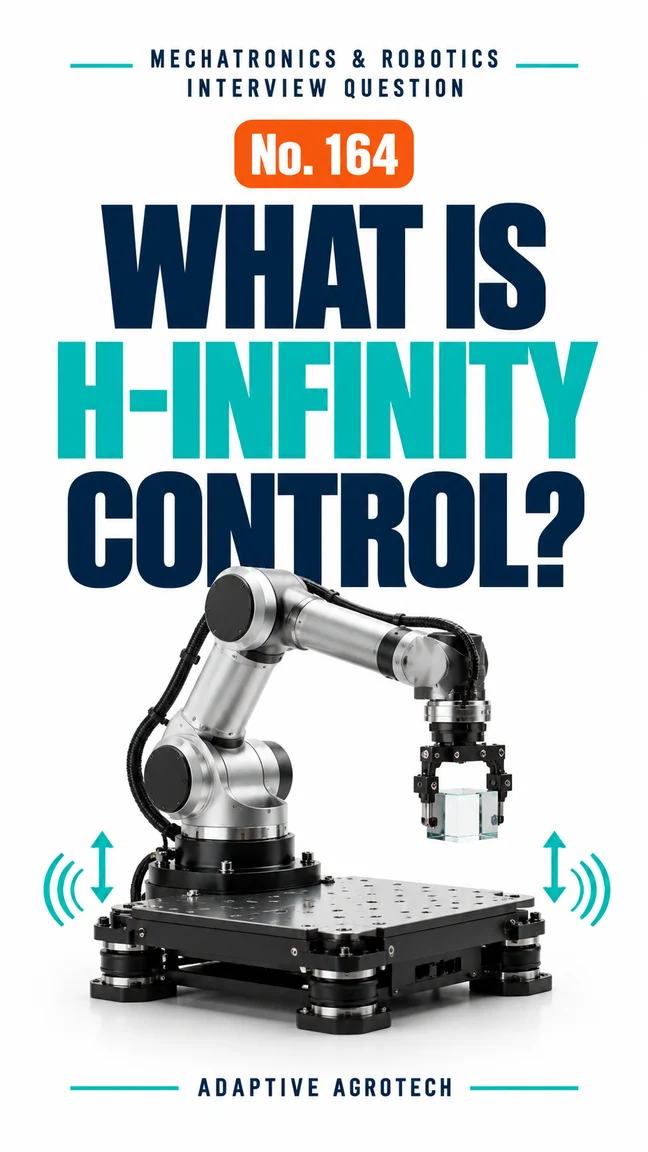
Control systemsNo. 164

What Is H-Infinity Control?

H infinity control limits the worst case amplification from disturbances to selected outputs. For a stable linear system, its H infinity norm measures the largest gain across frequency and input directions.

Watch & explore
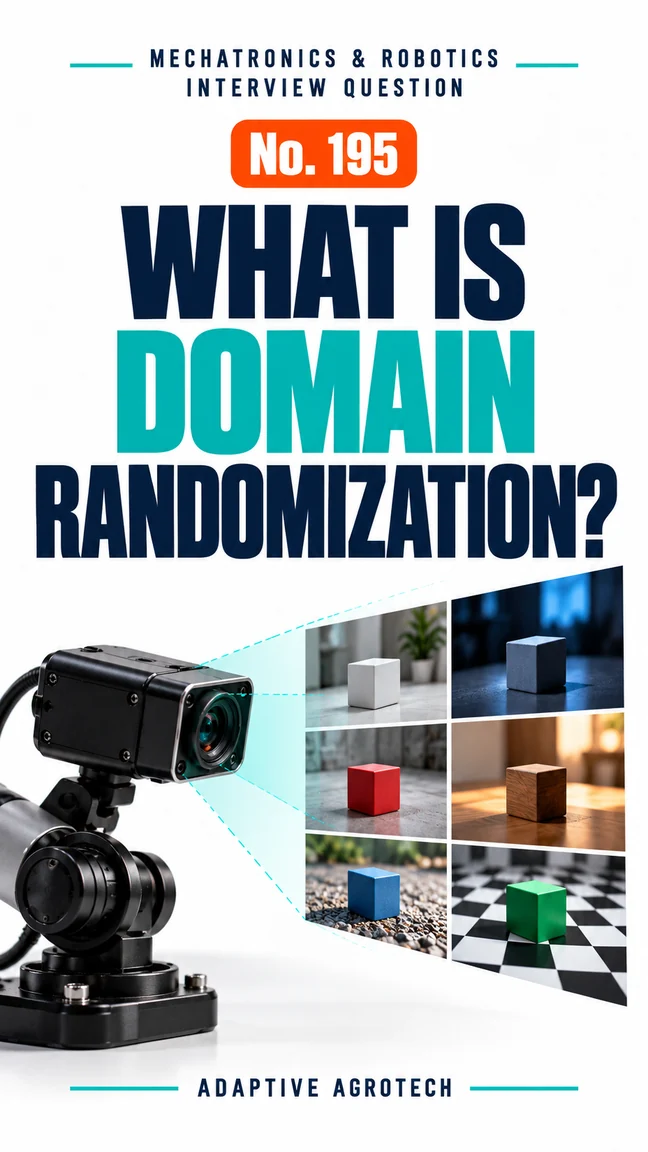
AI & machine learningNo. 195

What Is Domain Randomization?

Domain randomization varies selected simulation conditions during training. Instead of learning from one exact world, a robot policy or perception model encounters a distribution of appearances or dynamics intended to encourage more robust behavior.

Watch & explore
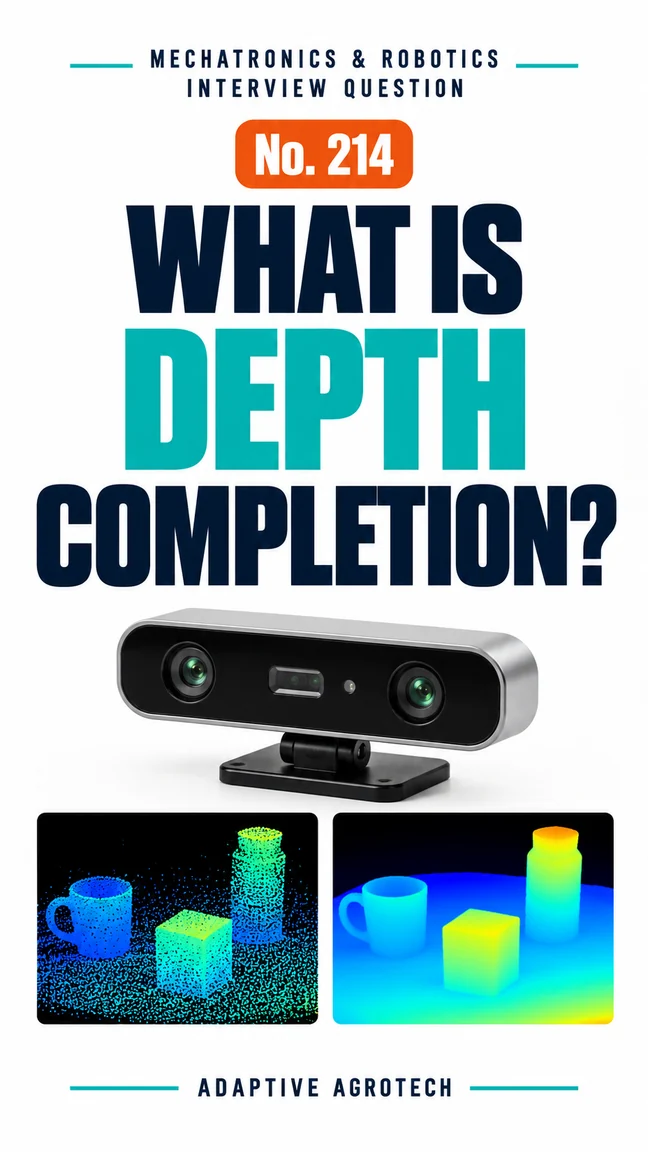
Computer visionNo. 214

What Is Depth Completion in Robot Vision?

Depth completion predicts a dense depth map from incomplete depth measurements, often using an RGB image as additional input. Some pixels have measured ranges, while other pixels receive estimates based on surrounding evidence and learned visual patterns.

Watch & explore