Skip to content
Adaptive AgroTech NetworkUniversity of Southern Denmark · SDU Drone Center
Robotics · Mechatronics · Intelligent systems

Short videos.
Lasting understanding.

Explore one engineering idea at a time. Watch a short lesson, read the key concepts and test your understanding before your next interview, project or class.

16 topics found

Video · Key ideas · Check your understanding

Control systemsNo. 040

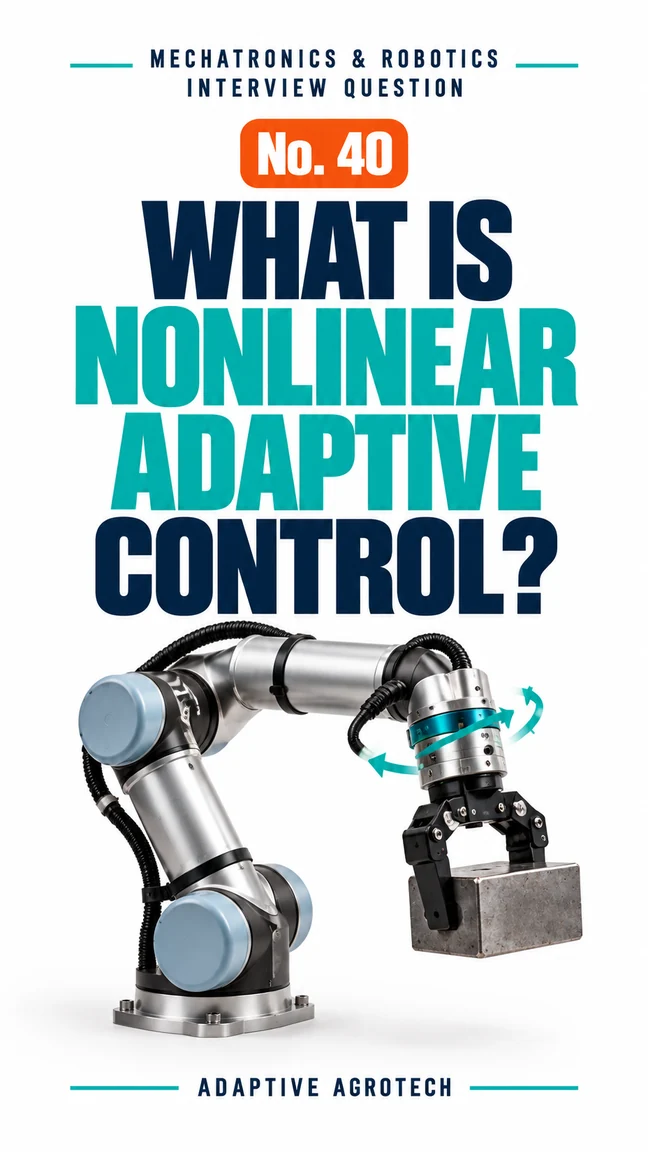
What is Nonlinear Adaptive Control?

Nonlinear adaptive control combines a nonlinear law with parameter updates. Tracking error can adjust estimated payload or friction, but successful tracking does not alone establish convergence to the true physical parameters.

Watch & explore
Control systemsNo. 044

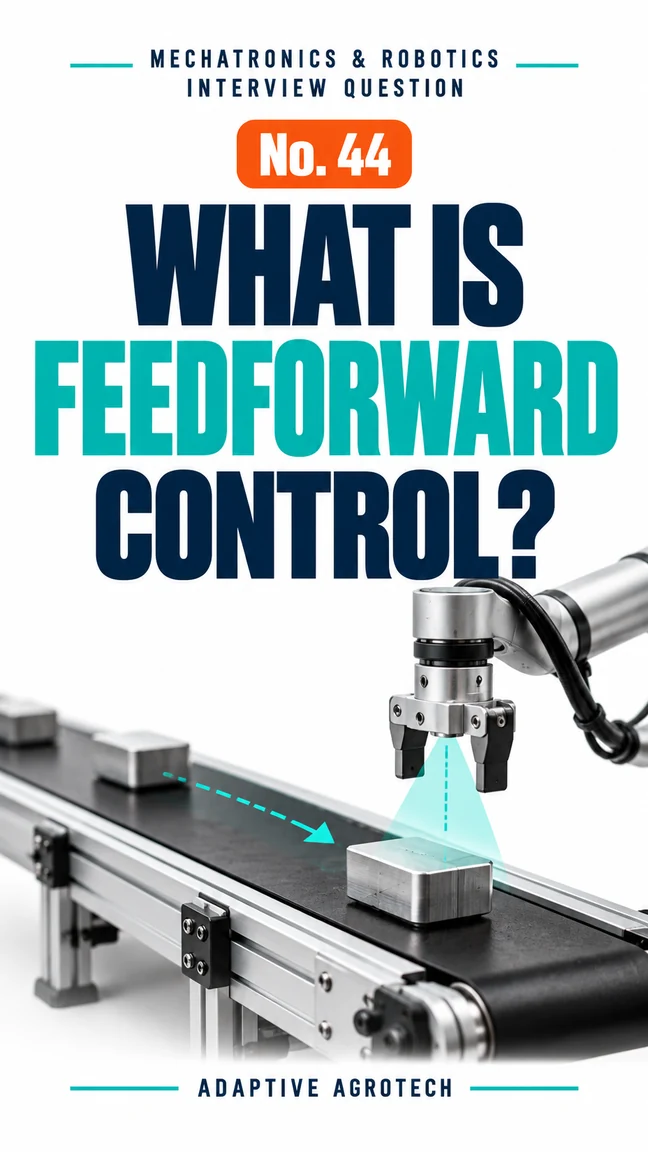
What is Feedforward Control?

Feedforward predicts required control effort from desired motion or measured disturbances. Gravity compensation and model-based wheel commands reduce feedback's workload, while model mismatch and motor limits still require feedback correction.

Watch & explore
Control systemsNo. 051

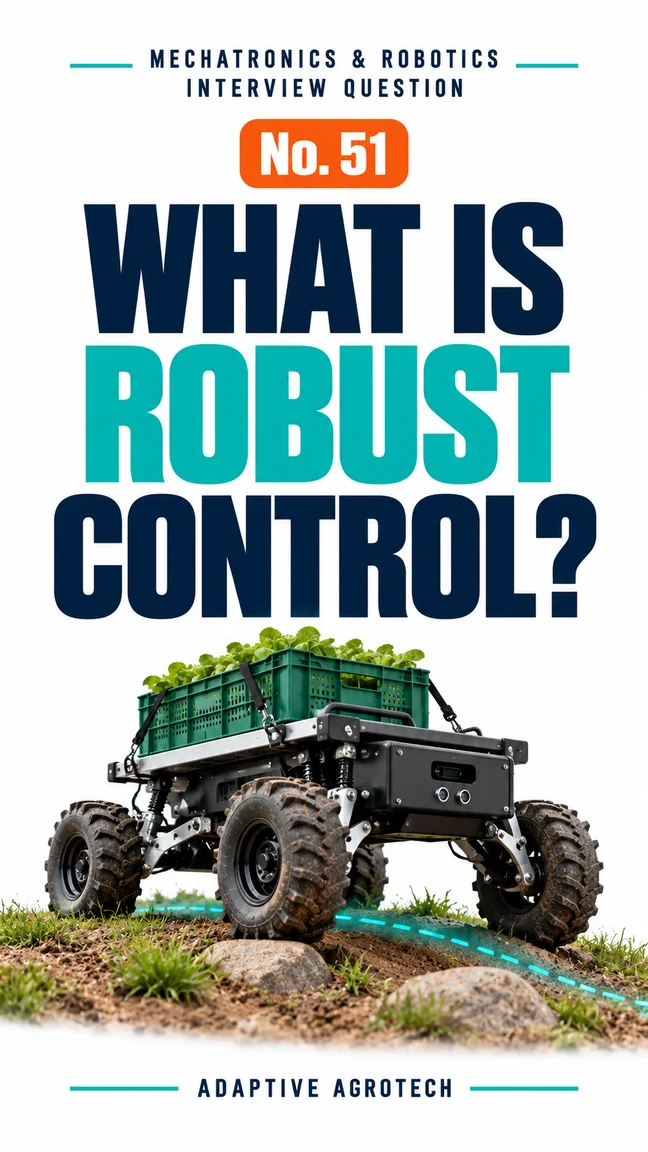
What is Robust Control?

Robust control includes a specified uncertainty set in its design and checks performance across a family of plants. Any guarantee remains limited to that set rather than covering all possible hardware differences.

Watch & explore
Embedded electronicsNo. 109

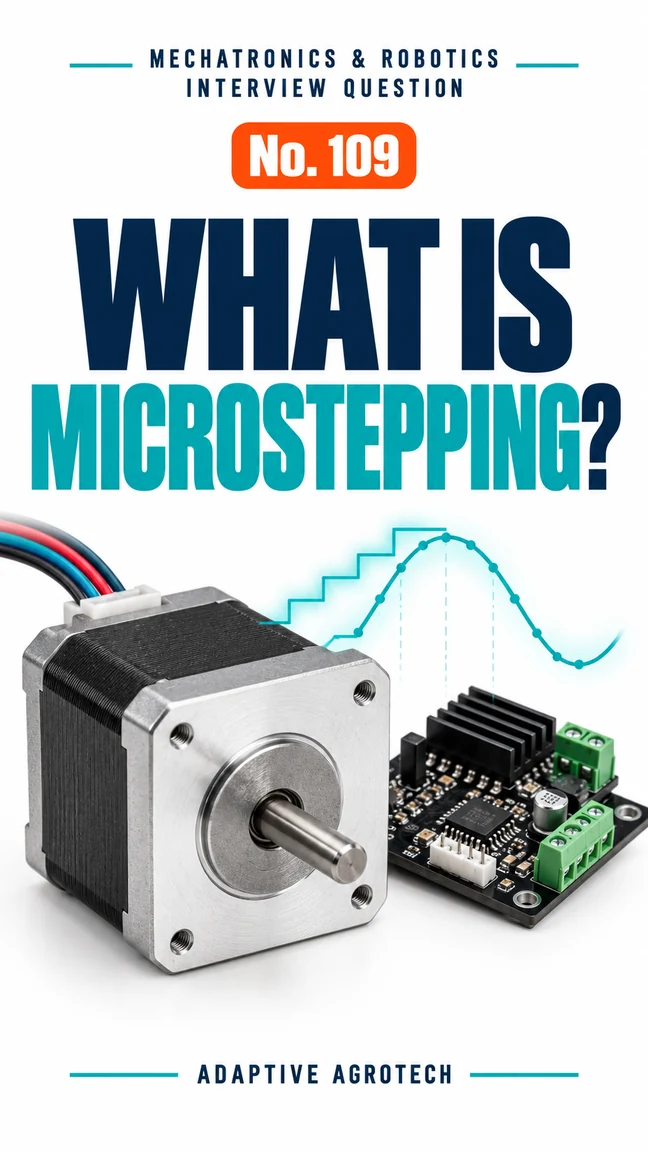
What is Microstepping?

Microstepping commands intermediate stepper positions by regulating two winding currents. It can smooth motion and reduce vibration, but finer command resolution does not guarantee equally finer physical positioning accuracy under load.

Watch & explore
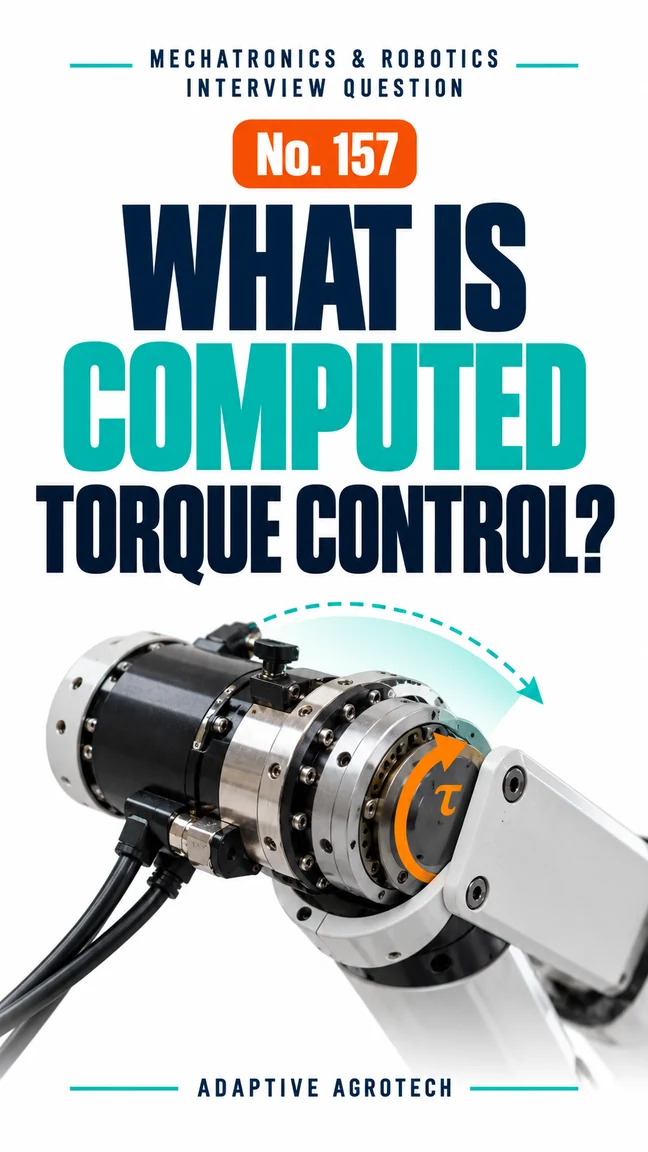
Control systemsNo. 157

What Is Computed Torque Control?

Computed torque control combines a robot dynamics model with tracking feedback to request joint torque. Ideal model cancellation can simplify error dynamics, while real payload errors, friction, and saturation limit the result.

Watch & explore
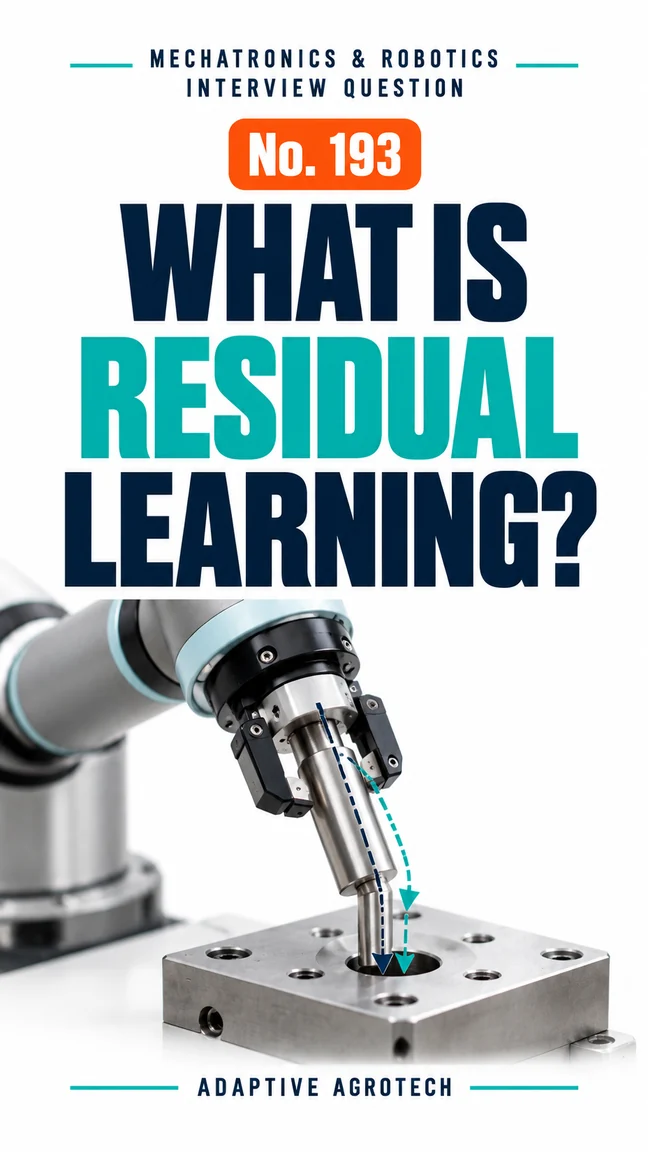
AI & machine learningNo. 193

What Is Residual Learning for Robot Control?

Residual learning combines a conventional controller with a learned correction. The controller handles a known part of the task. A learned residual adjusts its command to address remaining errors or interactions that the model captures poorly.

Watch & explore
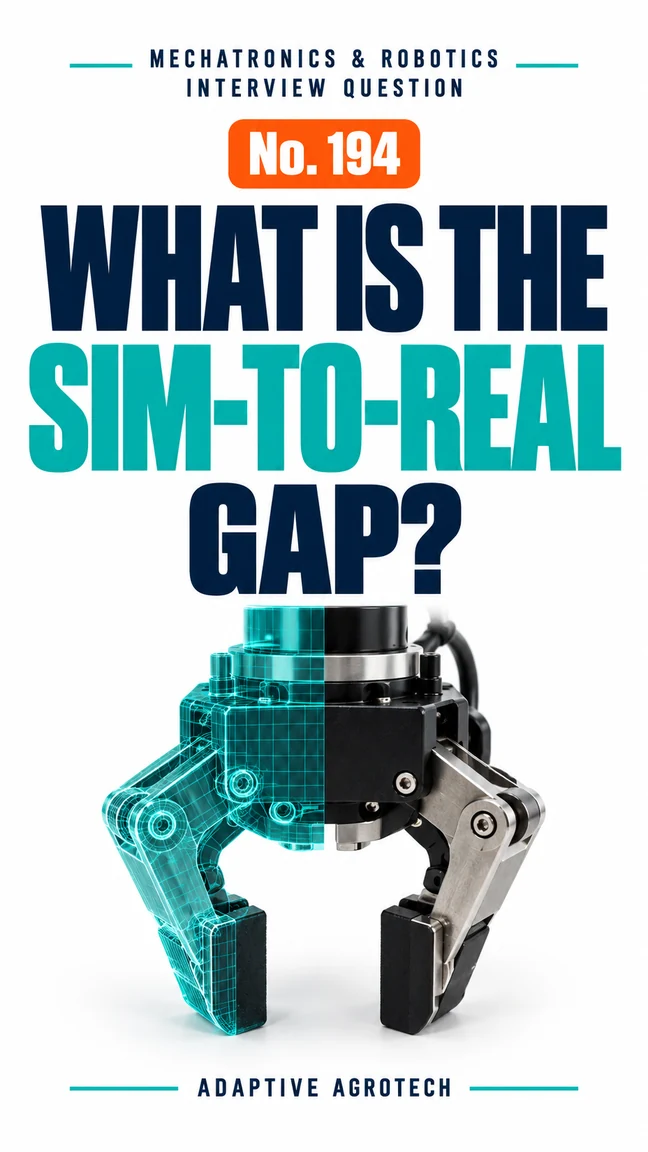
AI & machine learningNo. 194

What Is the Sim-to-Real Gap?

The sim to real gap is the mismatch between simulated training conditions and the physical robot. Differences in contact, friction, sensing, actuator response, and timing can change the consequences of the very same command.

Watch & explore
AI & machine learningNo. 195

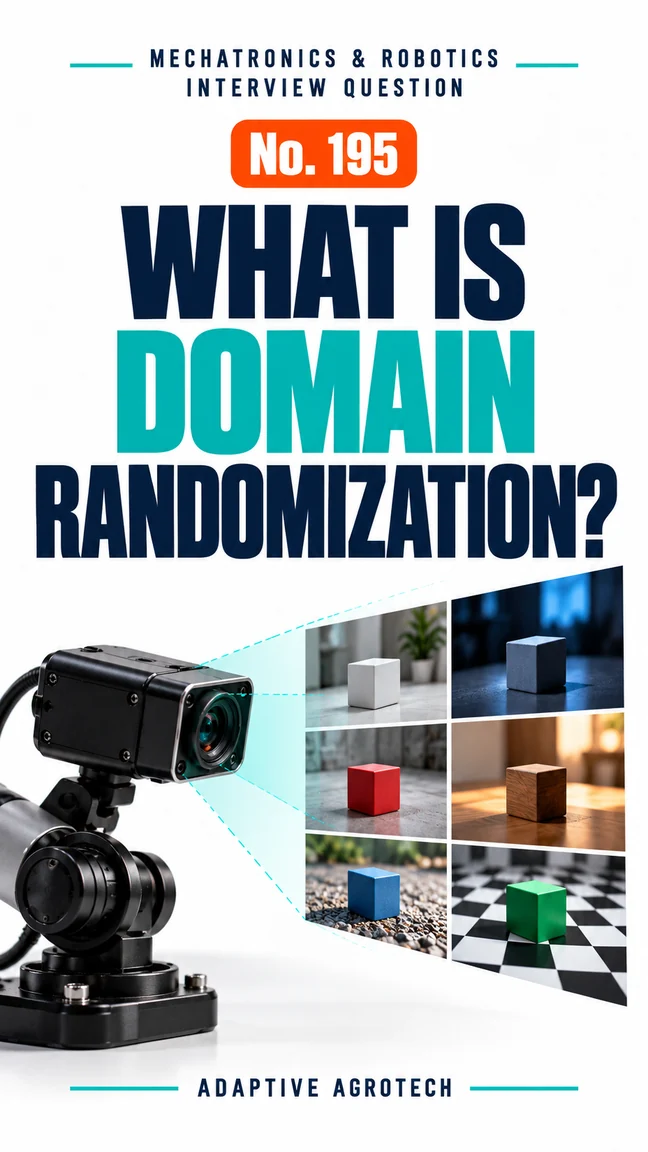
What Is Domain Randomization?

Domain randomization varies selected simulation conditions during training. Instead of learning from one exact world, a robot policy or perception model encounters a distribution of appearances or dynamics intended to encourage more robust behavior.

Watch & explore
Mechanics & safetyNo. 229

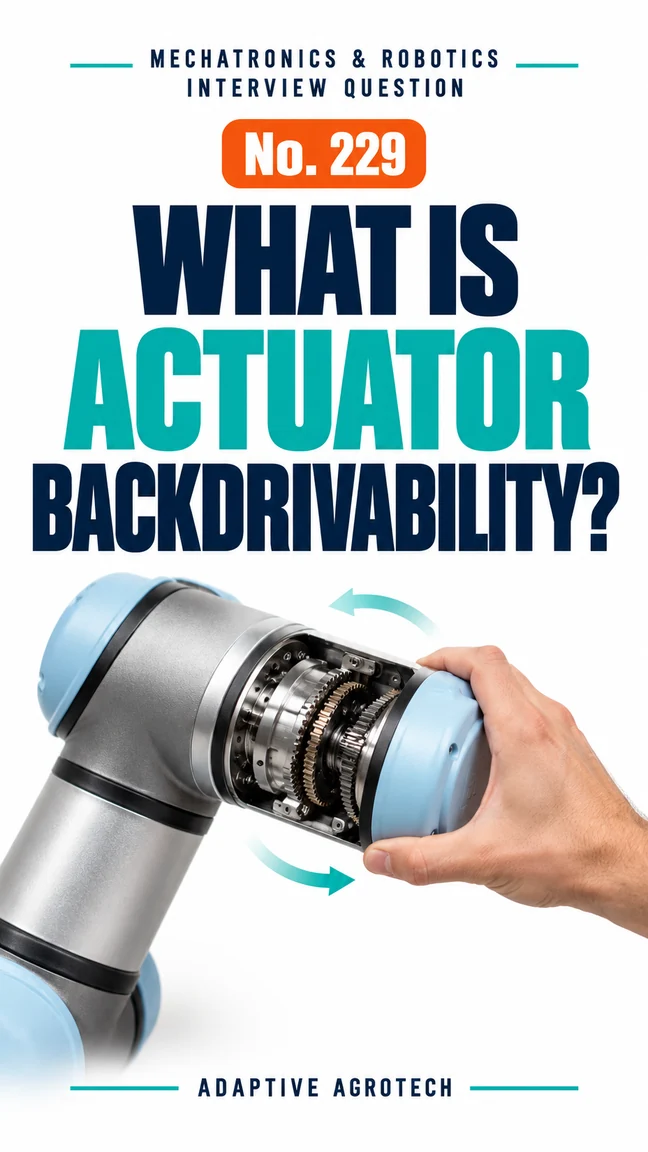
What Is Actuator Backdrivability?

Backdrivability describes how readily an external load can move an actuator from its output side. Pushing a robot link can then turn the transmission and motor rather than meeting a locked mechanism.

Watch & explore