Skip to content
Adaptive AgroTech NetworkUniversity of Southern Denmark · SDU Drone Center
Robotics · Mechatronics · Intelligent systems

Short videos.
Lasting understanding.

Explore one engineering idea at a time. Watch a short lesson, read the key concepts and test your understanding before your next interview, project or class.

31 topics to explore

Video · Key ideas · Check your understanding

Embedded electronicsNo. 018

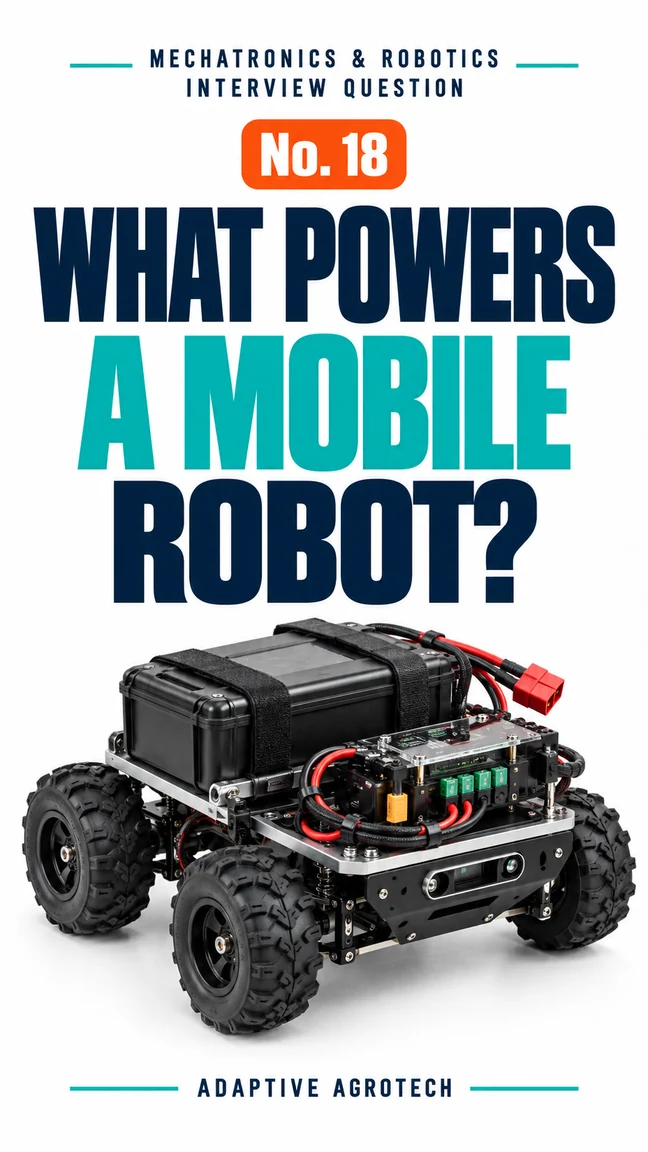
What Powers a Mobile Robot?

Reliable robot power depends on compatible voltage, usable energy, protection, and peak current. Runtime follows average demand, while motor surges and voltage drop can interrupt operation despite remaining battery capacity.

Watch & explore
Embedded electronicsNo. 056

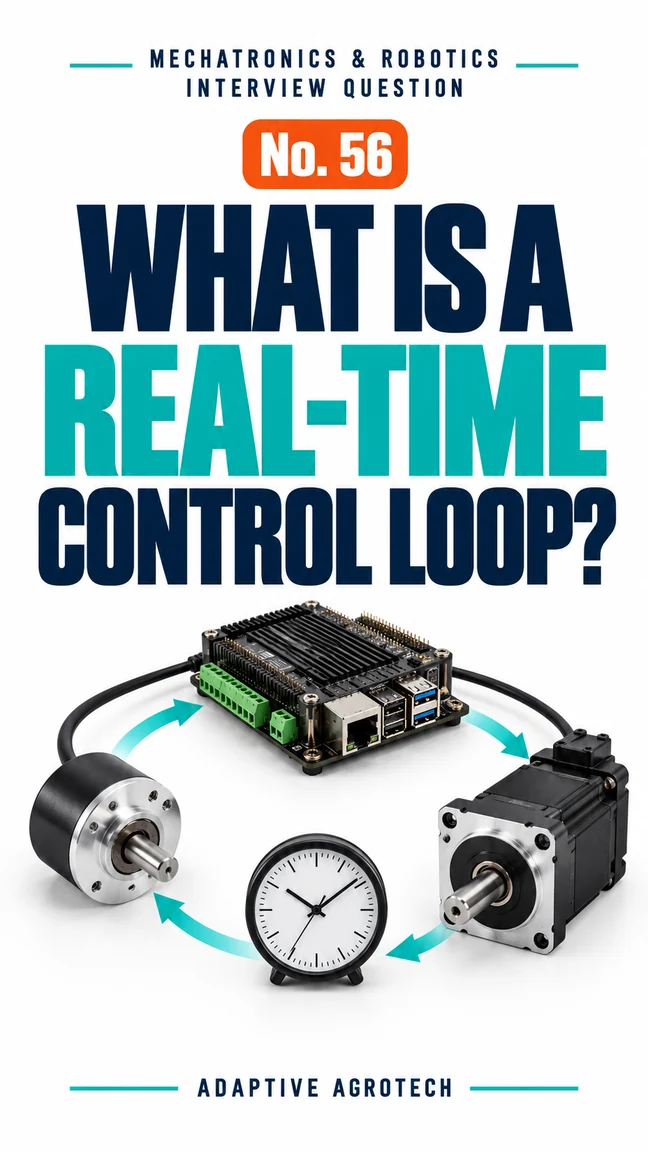
What is a Real-Time Control Loop?

Real-time control requires completion before a defined deadline rather than merely good average speed. Sensor acquisition, computation, and output share the timing budget, and worst-case delay and jitter determine whether the chain meets it.

Watch & explore
Embedded electronicsNo. 097

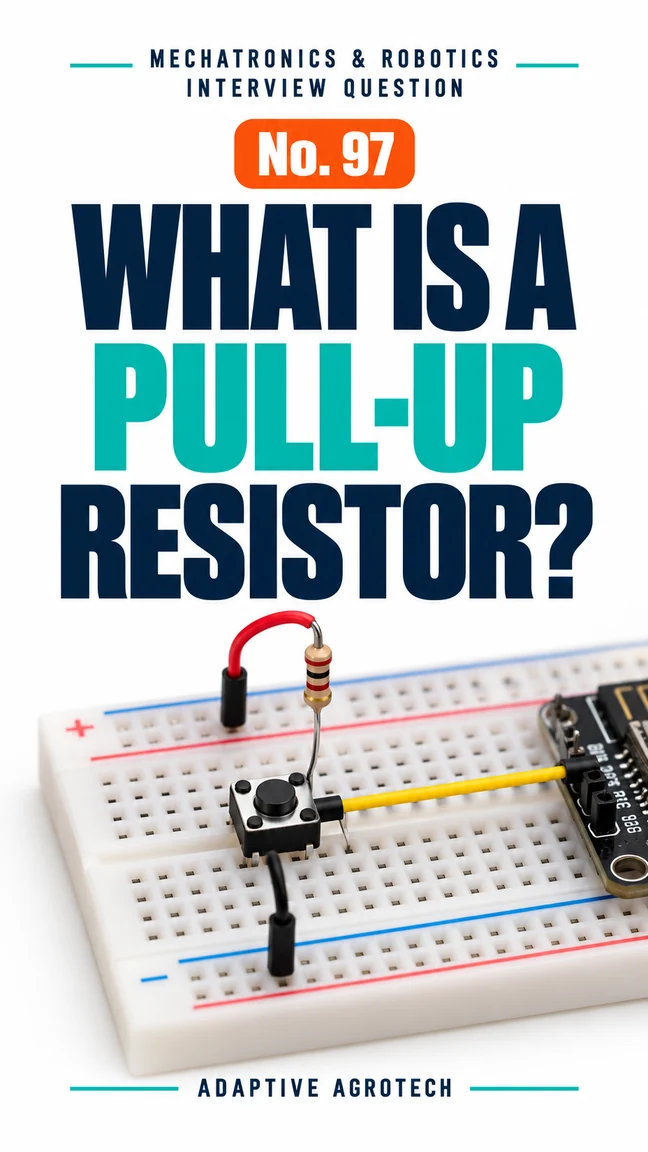
What is a Pull-Up Resistor?

A pull-up resistor defines a digital input’s idle high state while allowing a switch to pull it low. Its resistance must balance leakage, signal rise time, current, and voltage limits.

Watch & explore
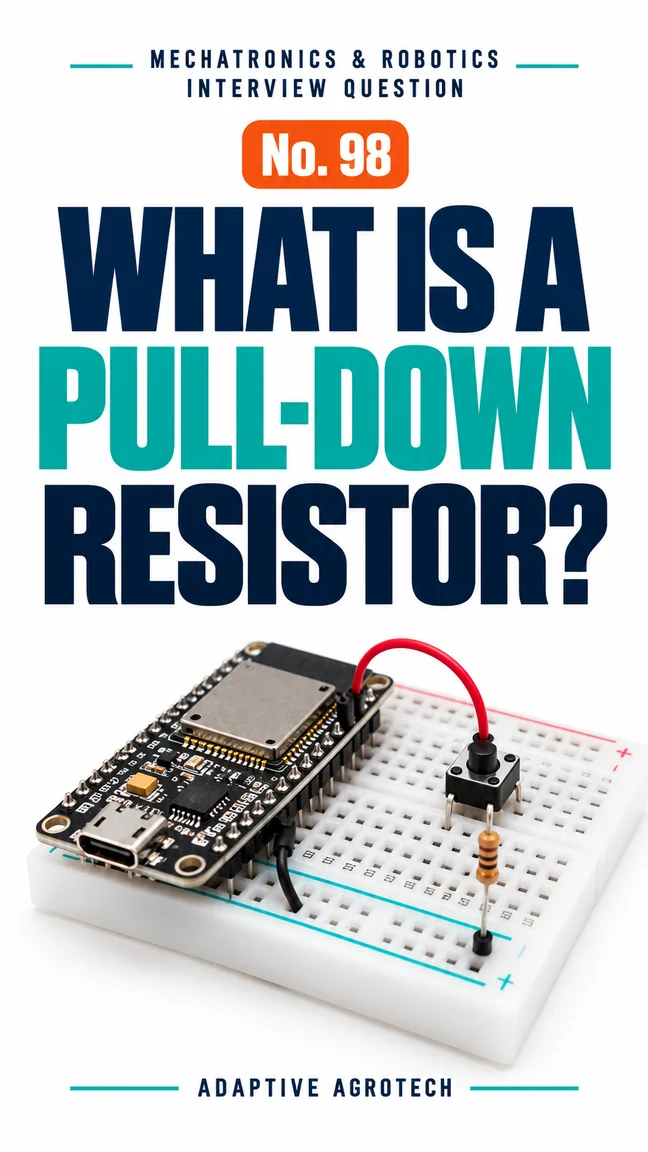
Embedded electronicsNo. 098

What is a Pull-Down Resistor?

A pull-down resistor holds an undriven digital input low and limits current when a switch drives it high. Reliable selection depends on input leakage, logic thresholds, and the circuit’s susceptibility to noise.

Watch & explore
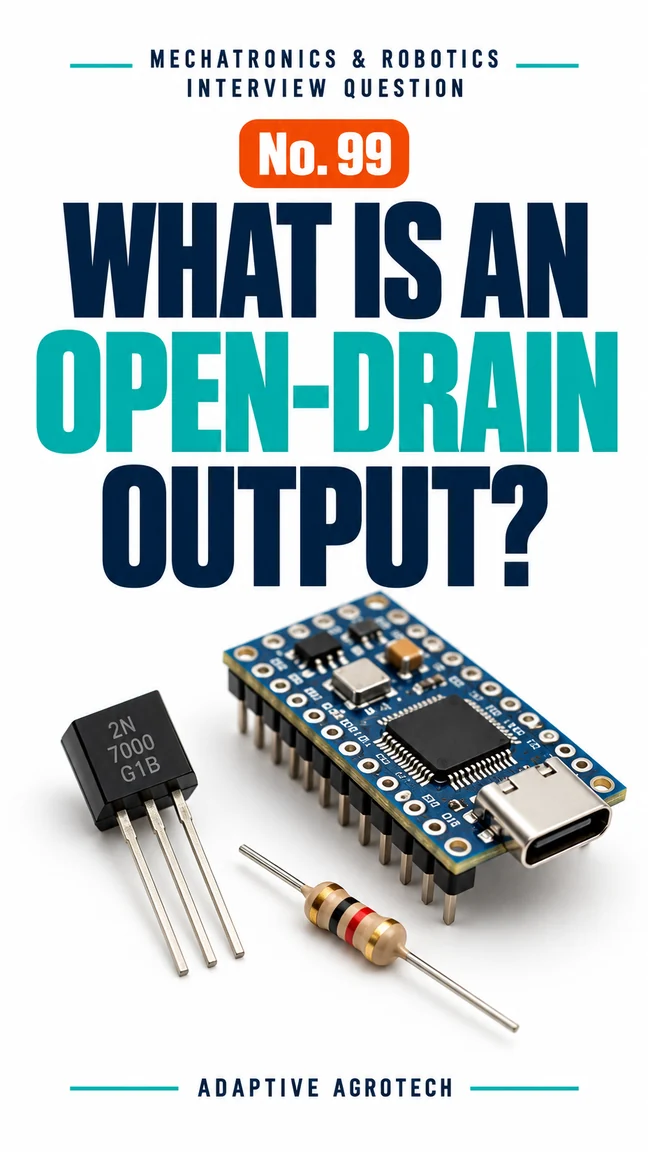
Embedded electronicsNo. 099

What is an Open-Drain Output?

An open-drain output either pulls a line low or releases it; an external pull-up supplies the high state. Compatible outputs can share a line, subject to voltage, sink current, and rise time limits.

Watch & explore
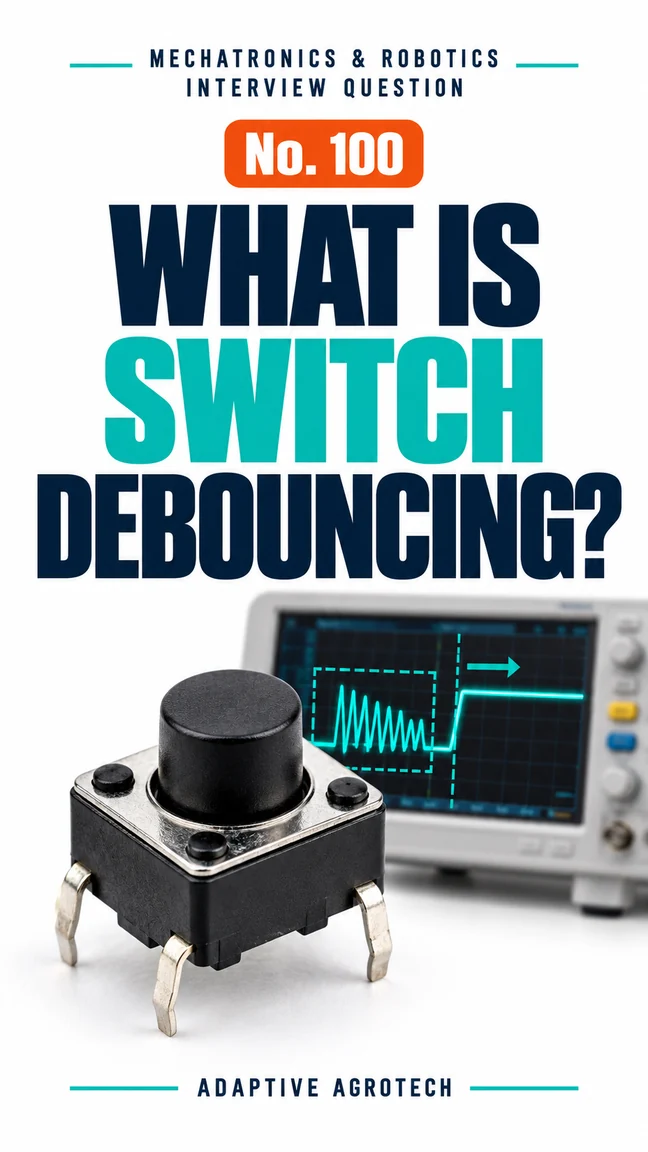
Embedded electronicsNo. 100

What is Switch Debouncing?

Switch debouncing prevents mechanical contact bounce from becoming multiple digital events. A stable state test or suitable hardware rejects brief transitions, while the chosen delay must preserve valid short presses.

Watch & explore
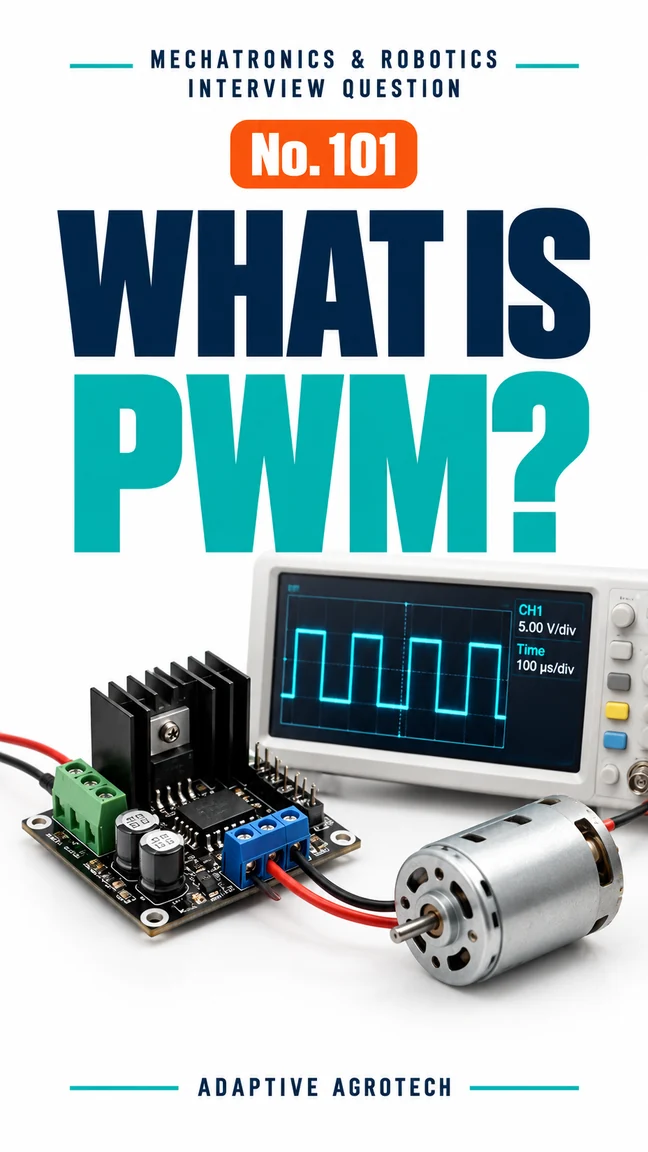
Embedded electronicsNo. 101

What is PWM?

Pulse width modulation controls a switching signal’s on time within each period. Duty cycle affects average drive voltage, but actual motor speed also depends on current dynamics, load, and feedback control.

Watch & explore
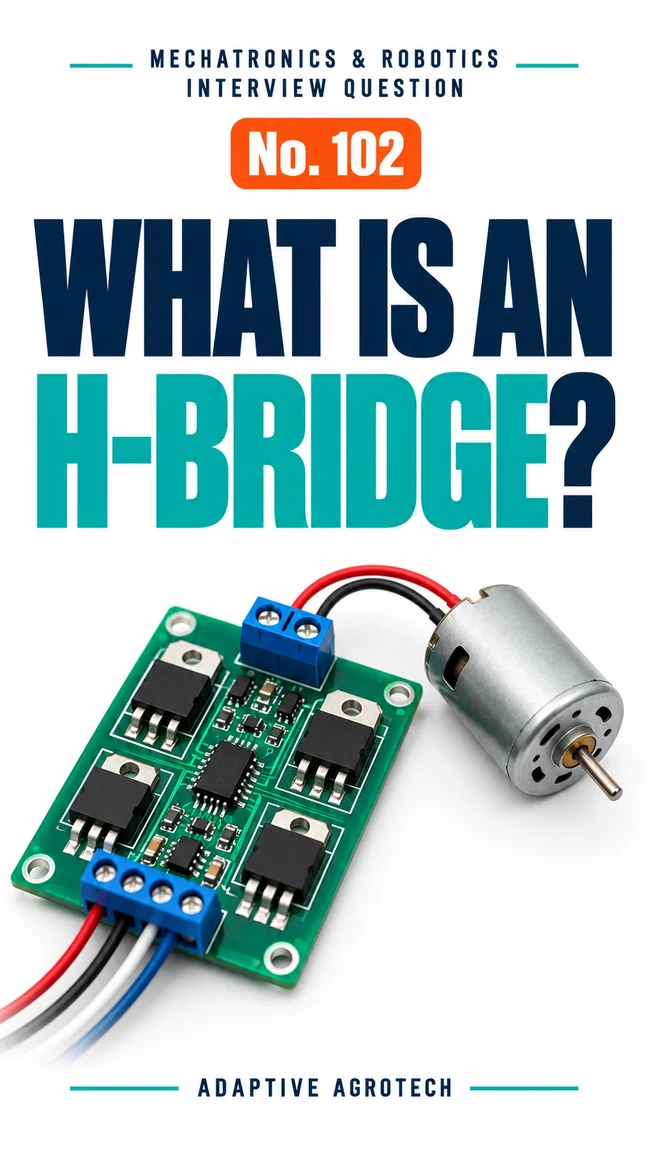
Embedded electronicsNo. 102

What is an H-Bridge?

An H-bridge reverses motor current using four switches arranged around the motor. Diagonal pairs set direction, while timing, current limits, and recirculation paths prevent damaging supply shorts and manage winding current.

Watch & explore
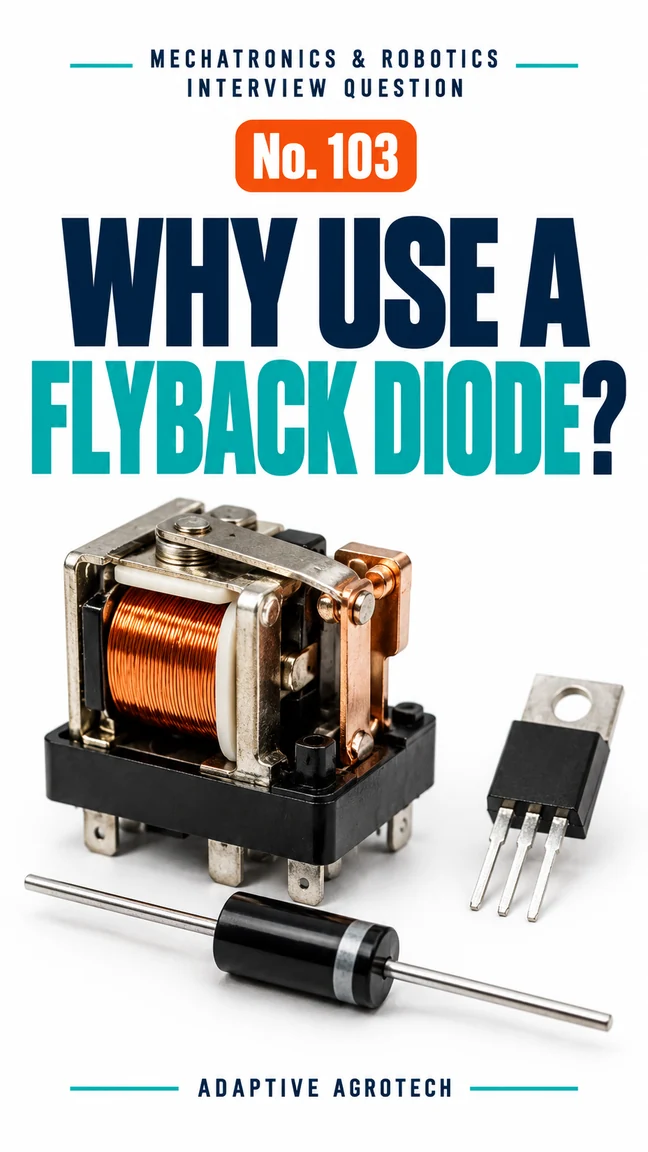
Embedded electronicsNo. 103

What is a Flyback Diode?

A flyback diode provides a path for inductive coil current after switch-off, limiting the resulting voltage spike. A simple relay connection slows release and should not be copied directly into a bidirectional motor bridge.

Watch & explore
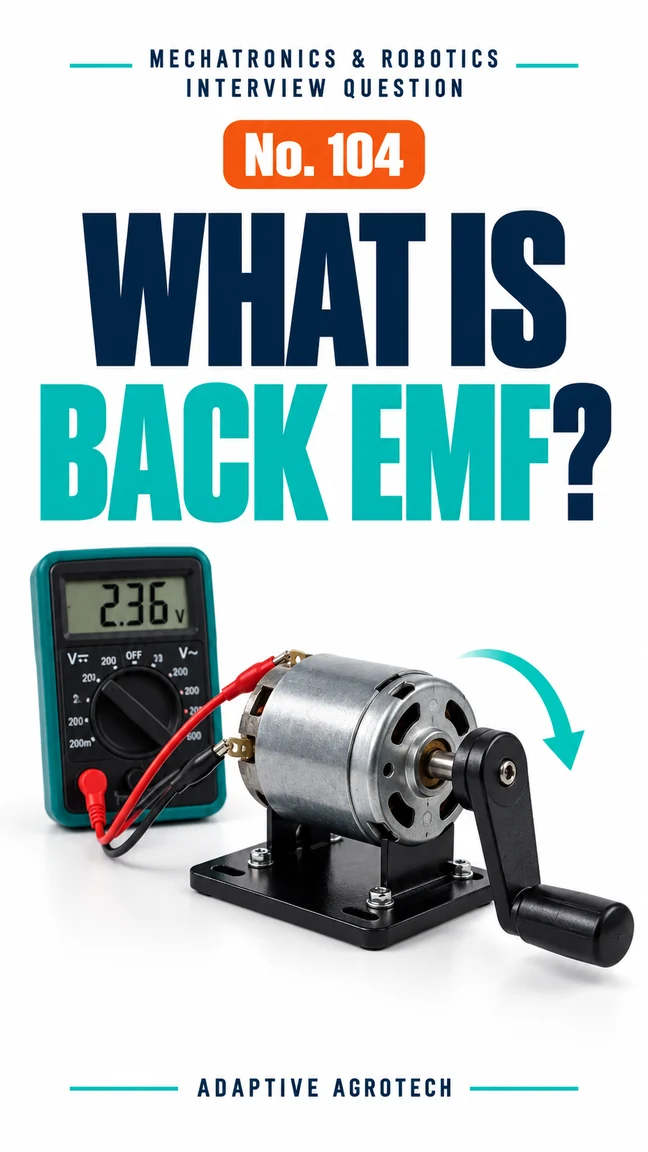
Embedded electronicsNo. 104

What is Back EMF?

Back EMF is the voltage generated by a spinning motor that opposes its drive voltage. In a simple steady model it reduces winding current, explaining why a slowing or jammed wheel can draw more current.

Watch & explore
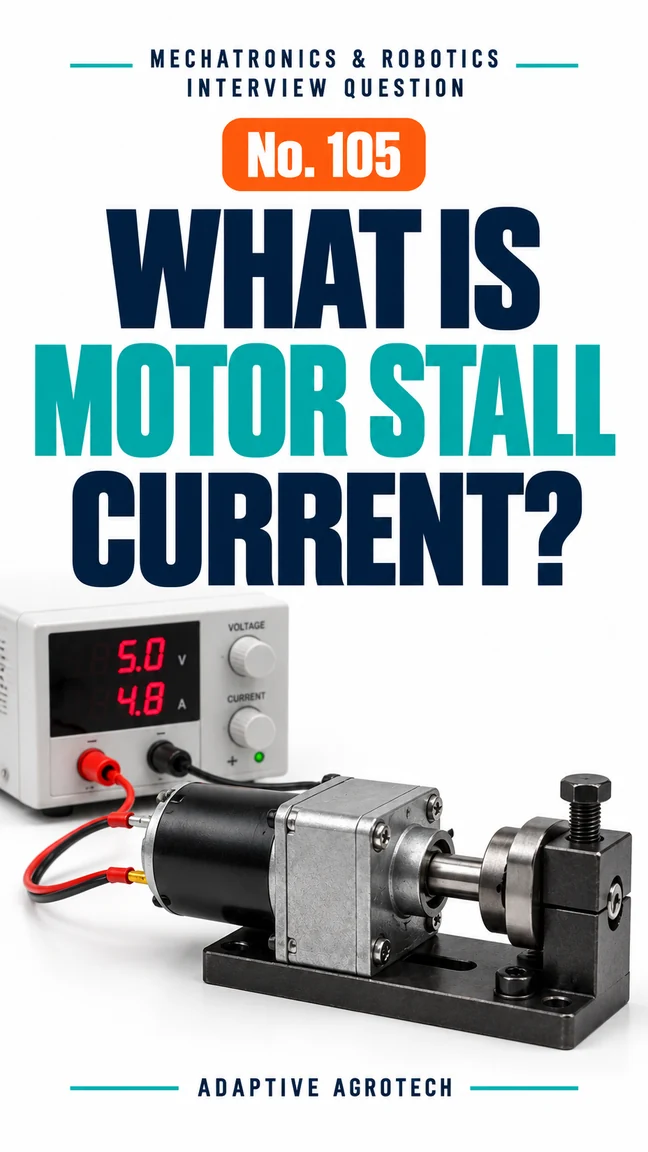
Embedded electronicsNo. 105

What is Motor Stall Current?

Motor stall current is measured with the shaft stopped at a stated voltage, where rotational back EMF is absent. It can greatly exceed a safe continuous current and requires stall detection and drive protection.

Watch & explore
Embedded electronicsNo. 109

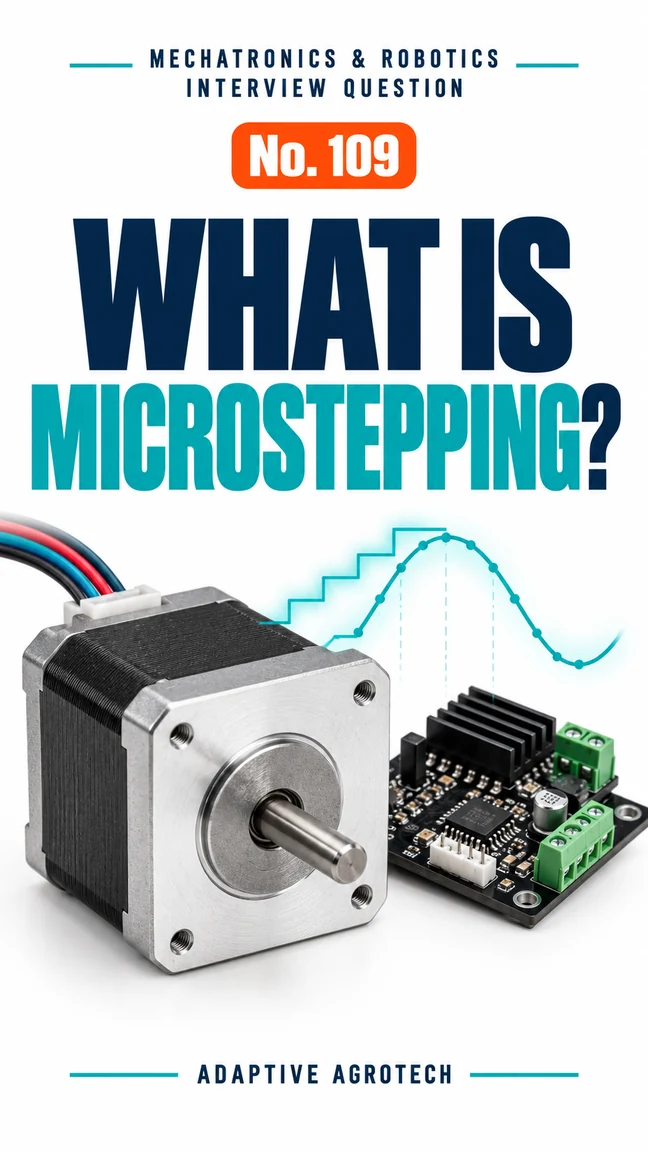
What is Microstepping?

Microstepping commands intermediate stepper positions by regulating two winding currents. It can smooth motion and reduce vibration, but finer command resolution does not guarantee equally finer physical positioning accuracy under load.

Watch & explore
Embedded electronicsNo. 114

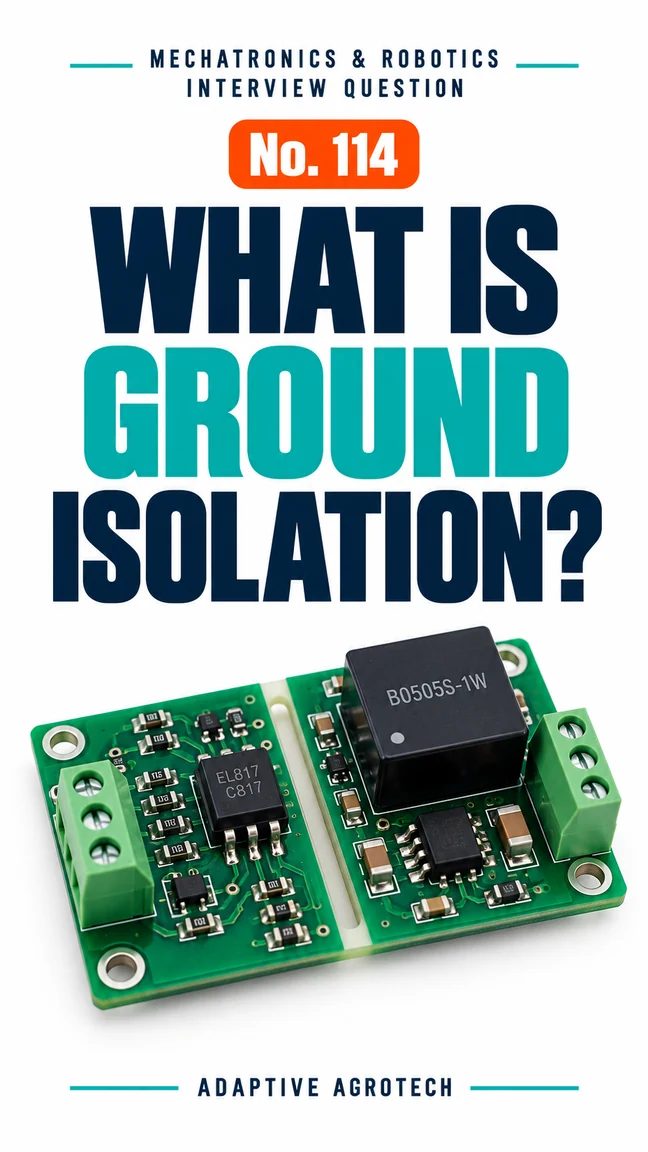
What is Ground Isolation?

Ground isolation separates circuit grounds while allowing signals across a nonconductive coupling barrier. It can interrupt ground loops, but power connections and complete wiring must preserve the intended boundary and voltage ratings.

Watch & explore
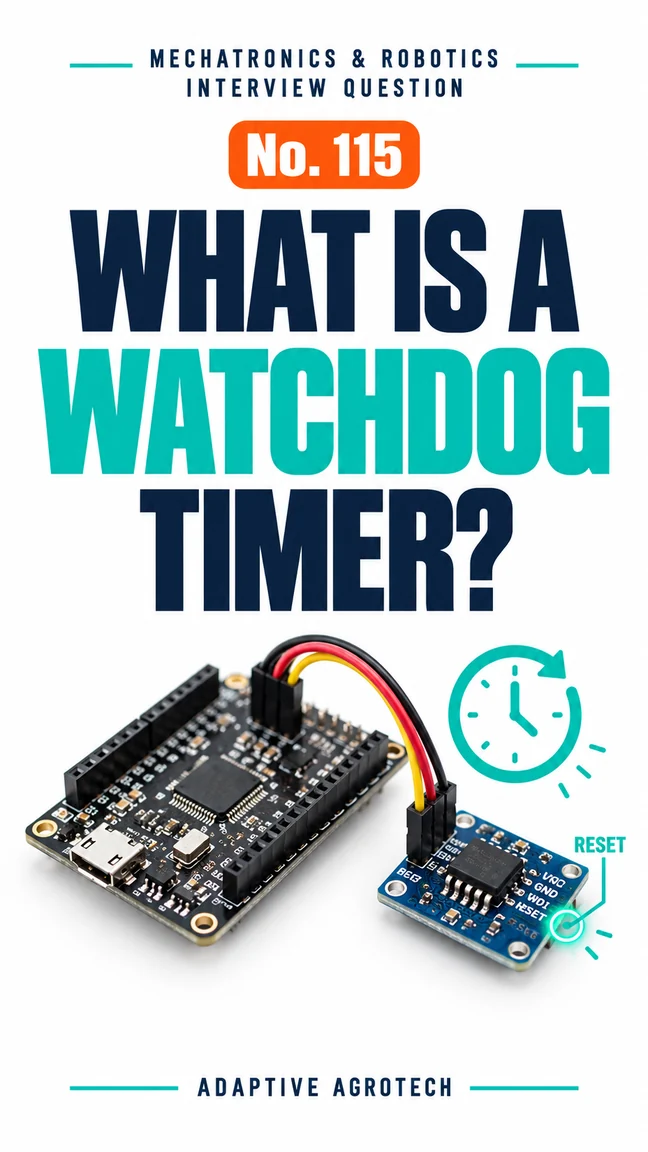
Embedded electronicsNo. 115

What is a Watchdog Timer?

A watchdog timer supervises software progress by requiring service before a deadline. Feeding should represent real task health, and recovery must disable unwanted motion rather than assuming a controller reset is sufficient.

Watch & explore
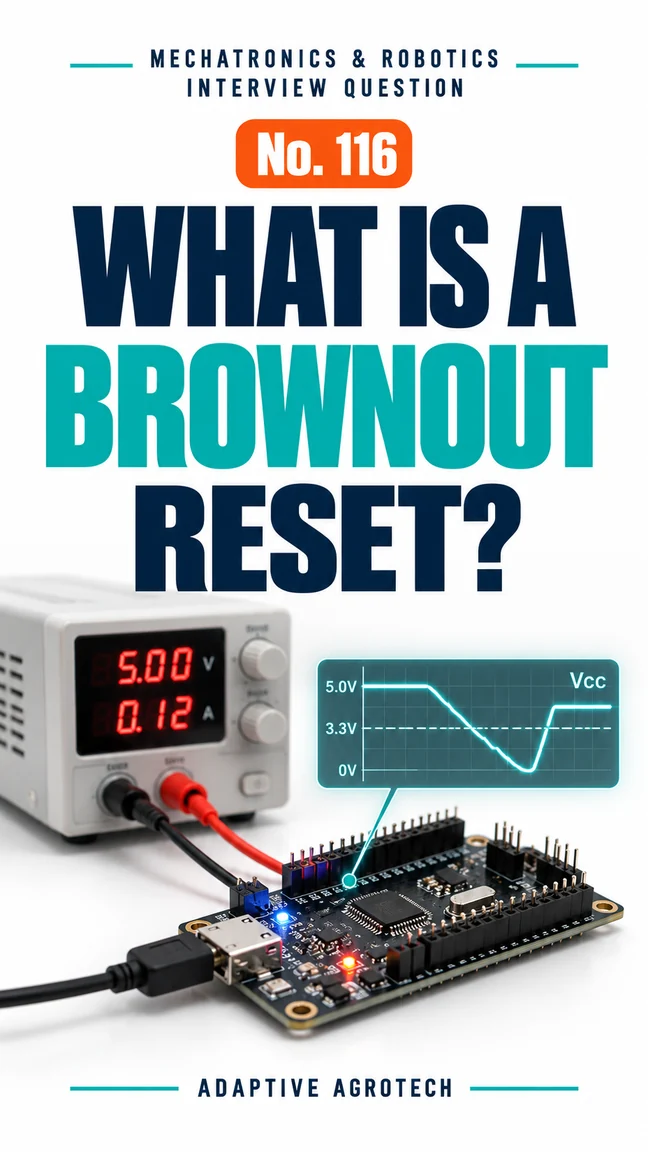
Embedded electronicsNo. 116

What is a Brownout Reset?

A brownout reset holds or resets a controller when its supply falls below a reliable operating threshold. Motor startup can cause brief local voltage dips, so diagnosis should measure at the controller and improve power delivery.

Watch & explore
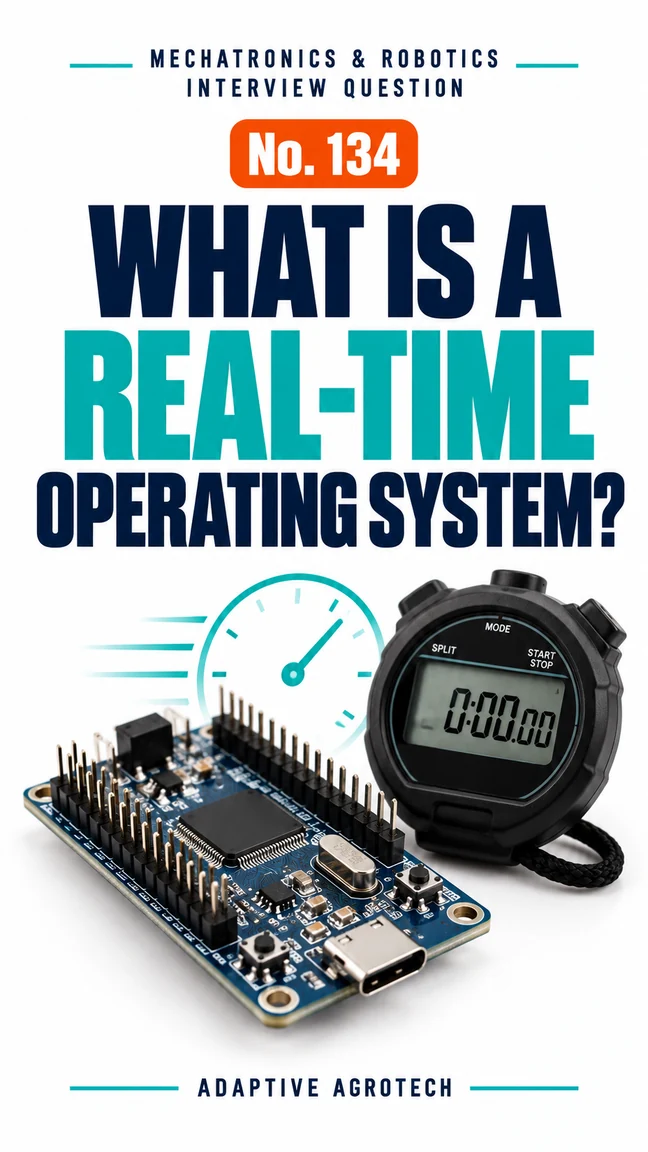
Embedded electronicsNo. 134

What is a Real-Time Operating System?

An RTOS schedules software around timing requirements, where a late result can be incorrect for the task. Priorities and sleeping tasks help, but complete deadlines still require execution and blocking analysis under load.

Watch & explore
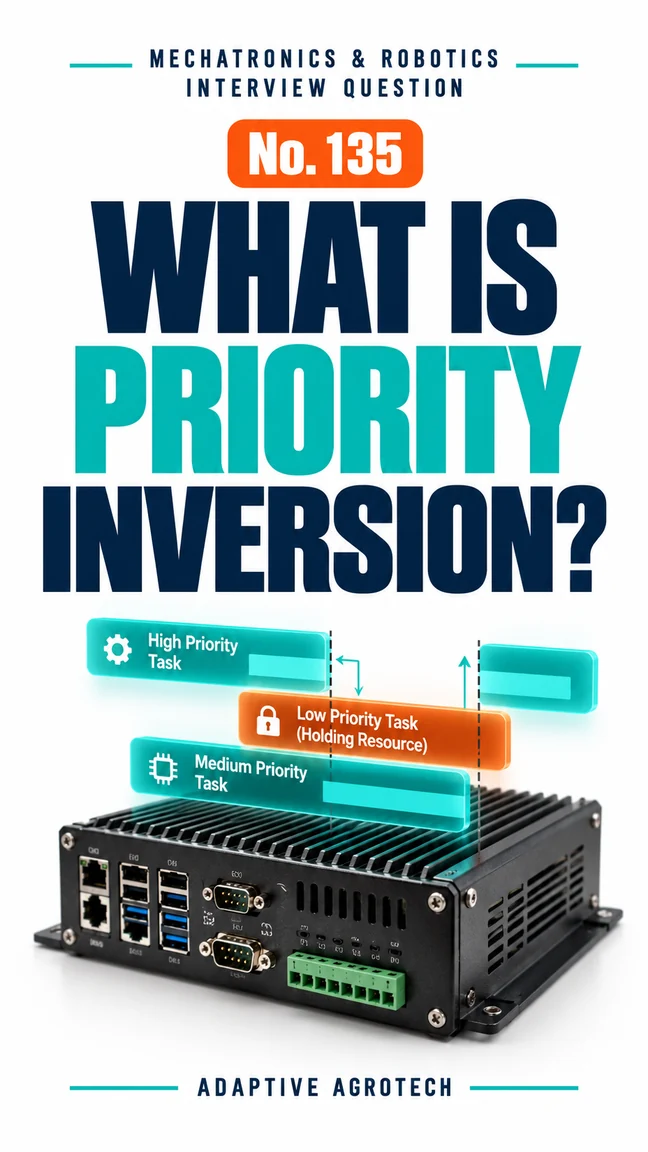
Embedded electronicsNo. 135

What is Priority Inversion?

Priority inversion occurs when an urgent task waits for a lower priority lock owner, especially if intermediate priority work delays that owner. Priority inheritance helps release the lock sooner, alongside bounded critical sections.

Watch & explore
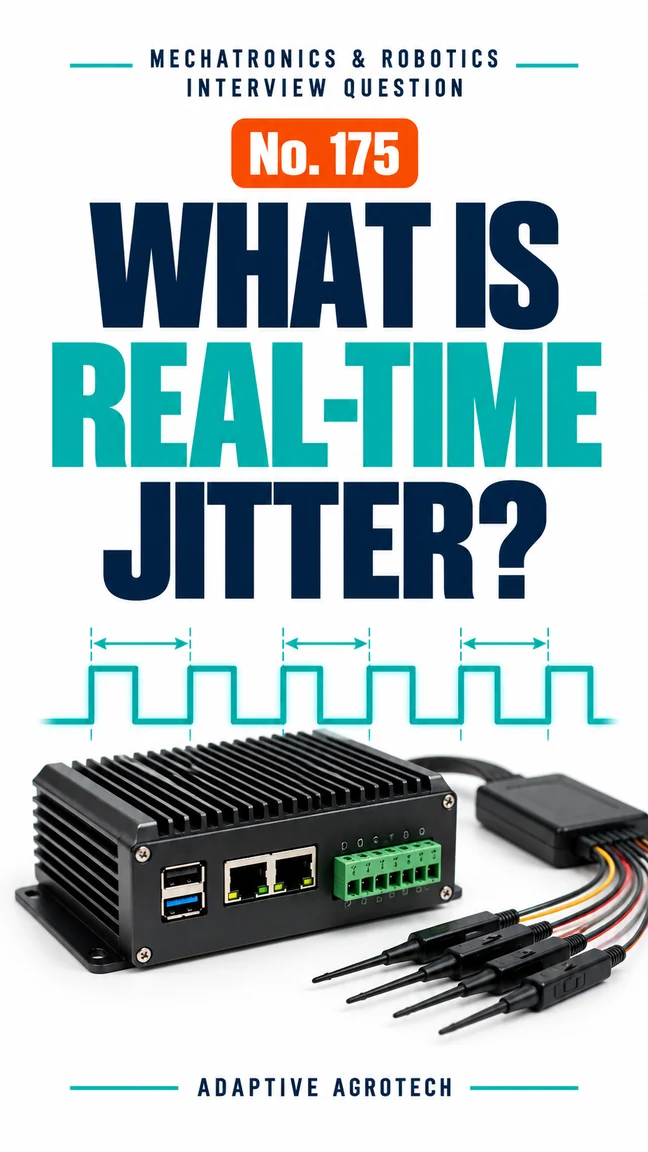
Embedded electronicsNo. 175

What Is Real-Time Jitter?

Real time jitter is variation in when a periodic task starts, finishes, or releases its output. A loop planned every millisecond can have irregular intervals even when its average frequency looks correct. Specify the event you measure.

Watch & explore
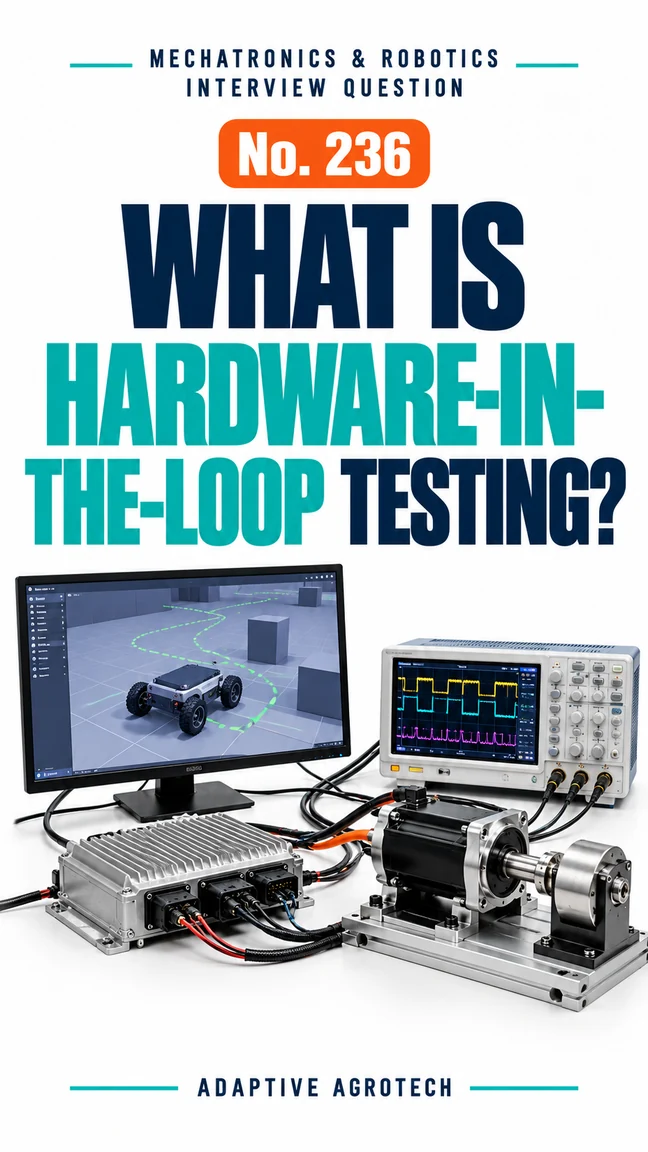
Embedded electronicsNo. 236

What Is Hardware-in-the-Loop Testing?

Hardware in the loop testing connects real controller hardware to a plant model running in real time. The simulator supplies sensor signals and receives actuator commands, closing the loop around the actual controller.

Watch & explore